護国の聖地で愛国精神を刻む in 慶尚北道 常州市 · schedule その他 · distance 34km · 2 stops · highlights Sangju Imranbukcheon Battle Site, General Jeong Gi-ryong Historic Site
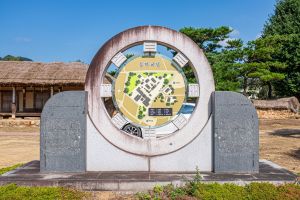
東学の南接主(東学教団組織の接の責任者)である金周熙先生が教勢拡大のために1924年に建てた場所です。1925年からここを拠点にし、聞慶、醴泉など慶北北部地域を中心に日本の監視を避けながら教勢の復興を図った場所です。
このコースは2日間の旅程サンプルです。そのまま保存するか、AI日程に拡張できます。
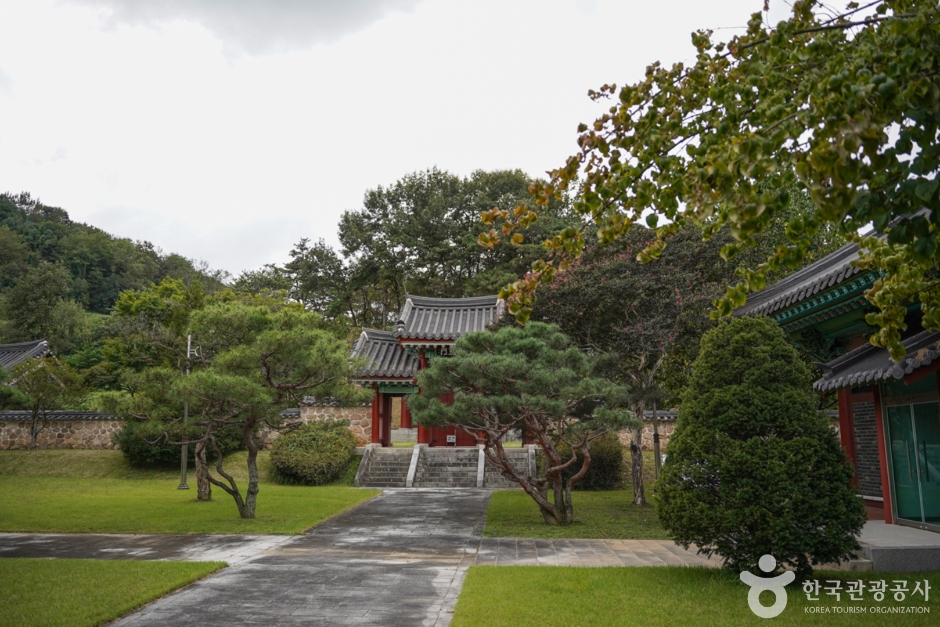
Sangju Imranbukcheon Battle Site is a patriotic sacred place where about 900 central and local troops of Joseon died defending against the main force of the Japanese army during the Imjin War. In 1592, when the Japanese landed at Busan, about 60 central troops of Joseon moved south to stop them. Together with Sangju magistrates Kwon Gil and Park Geol who assembled about 800 local men overnight, around 900 fought fiercely against 17,000 Japanese soldiers and all perished. To honor their patriotism, Chungnyeolsa Shrine was built, enshrining memorial tablets of the fallen including Yun Seom, Kwon Gil, Kim Jong-mu, Lee Gyeong-ryu, Park Ho, Kim Jun-shin, Kim Il, Park Geol, and an unknown martyr. Originally, only a commemorative monument (Sabi) recorded this in Sangju, but in 1990 a shrine and exhibition hall were established, relocating former Sangju government buildings to develop the site as a park. The site includes Taepyeongnu, the gate tower of Sangju Dongheon, Sangsan-gwan, a government guesthouse used by royal envoys, and Chimcheonjeong, a pavilion built in 1577 (10th year of Seonjo) outside Sangju fortress's south gate by magistrate Jeong Gonsu, used for scholars' rest and writing. Every year on June 4th (solar calendar), memorial rites are held to honor their spirits, and the site serves as a living history education center for future generations.
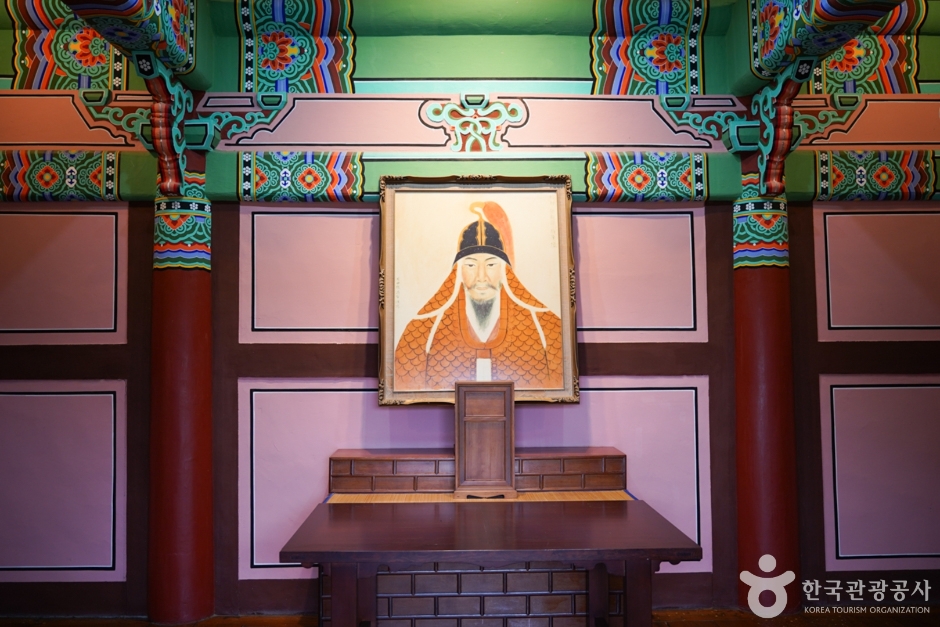
Chung-uisa is a shrine enshrining the memorial tablet of General Jeong Gi-ryong, a military commander during the reign of King Seonjo of Joseon, who achieved great feats as a master of land battles during the Japanese invasions of Korea (Imjin War). General Jeong was born in 1562 (Myeongjong 17) in Geumnam-myeon, Hadong-gun, Gyeongnam, was recommended to Sangju at age 20, passed the military examination at 25, and was renamed Gi-ryong by royal command. When the Imjin War broke out, he defeated many Japanese soldiers in more than 60 battles with a small army and reclaimed Sangju Castle after fierce fighting as Sangju Magistrate. He later served as Gyeongsang Udo Byeongma Jeoldosa, Gyeongsang-do Defense Commander, and 3-Do Tongjesa concurrently with Gyeongsang Udo Naval Commander until his death. His posthumous name is Chungui (Loyal and Resolute). The memorial stele and the general’s tomb were designated local cultural assets in 1974. In 1978, the original shrine of about 16.5㎡ was expanded to about 13,223㎡, including a shrine, exhibition hall, and administration office, in a patriotic historic site preservation project. The exhibition hall displays five treasure-level items (two royal commands, one royal decree, one memorial tablet, one jade belt) and wooden movable cultural properties (19 royal decrees and 58 woodblocks of Maehun Silgi). Every October, local residents reenact the scene of recapturing Sangju Castle during the Imjin War to promote and pass down the general’s patriotic spirit.
コース後に休みやすい宿を集めました
会員登録して自分のチャンネルも一緒に紹介してもらう
(会員になると、マイページで設定した Instagram・YouTube・ブログのリンクが、あなたのコメントと一緒に表示されます。)
“「弘大近くに滞在して、夜のカフェ巡りをしました。街の夜景も雰囲気も最高でした。」”
ゲストとして投稿したコメントには、SNSリンクやプロフィールカードは表示されません。
この場所についてのちょっとしたコツや感想をシェアしてください。
ゲストとして、気軽にひとことコメントを残すこともできます。
写真の添付はログイン後に利用できます。
まだレビューがありません。最初の感想を投稿してみましょう!