上州市の自然と歴史を一度に楽しむ in 慶尚北道 常州市 · schedule その他 · distance 77.7km · 4 stops · highlights Gyeonhweonsanseong Fortress, Jeongoryeong Gaya Royal Tomb, Sangju D…

まず、壬辰倭乱の際に朝鮮の中央軍と郷軍が倭軍の主力部隊と交戦し、約900名が殉国した護国の聖地である壬乱北川戦跡地や、建元が築いたと伝えられる建元山城、韓国の東学について学べる東学校堂などを巡り歴史体験ができる。子供連れの場合は、そり遊び場と子供の遊び場がある慶天台ランドをコースに含めることができる。
このコースは1日旅程のサンプルです。そのまま保存するか、AI日程に拡張できます。
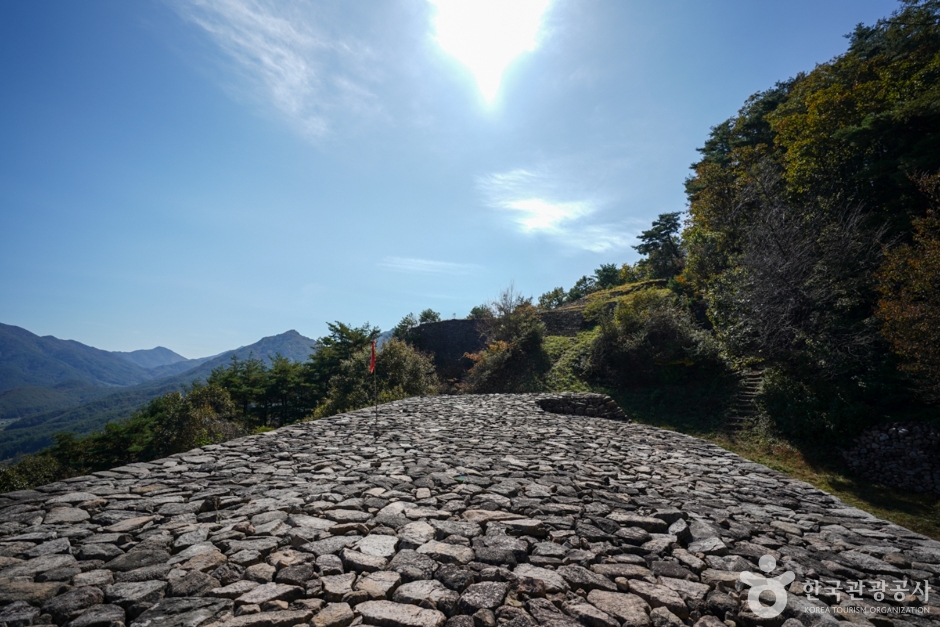
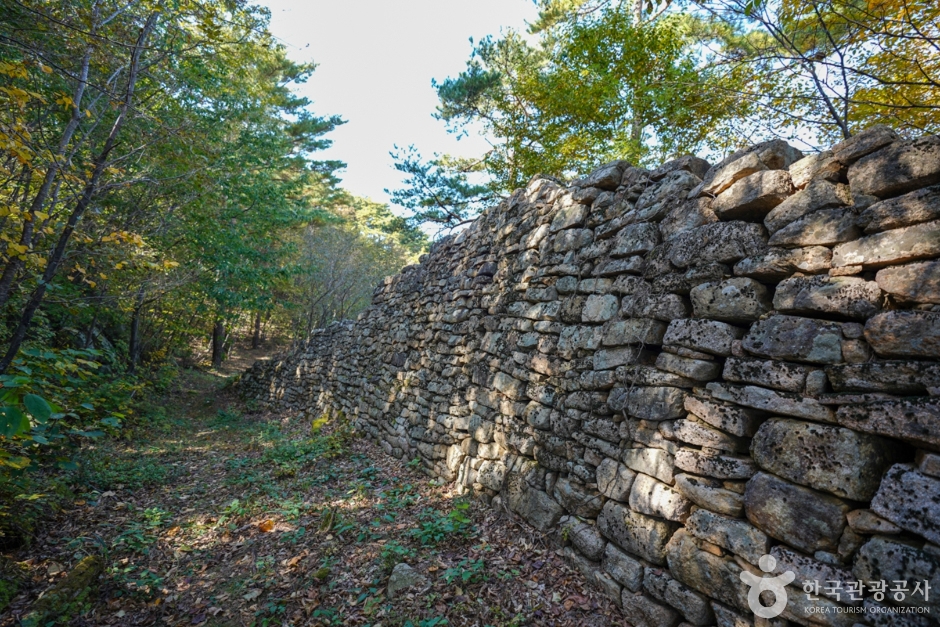
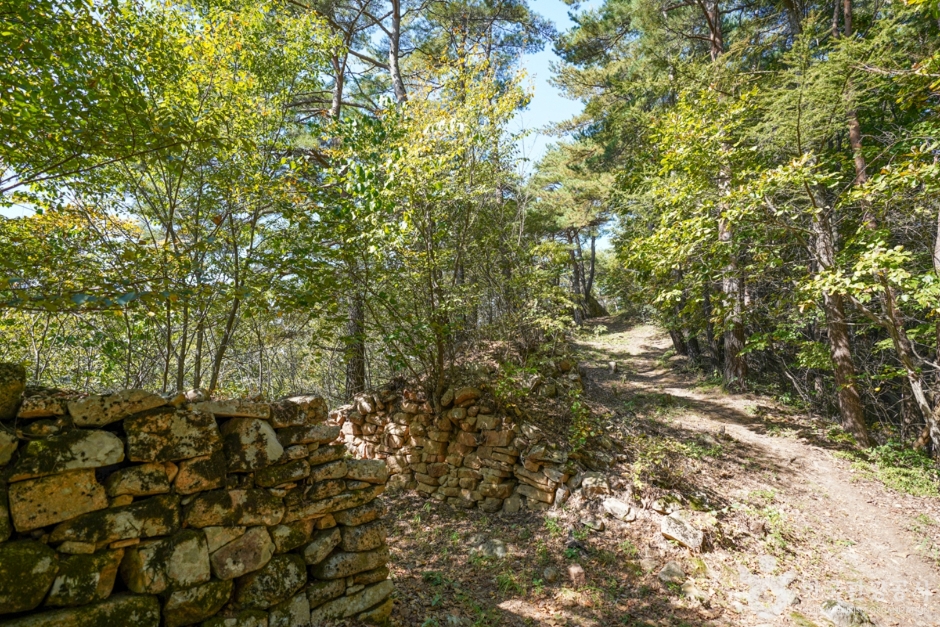
Gyeonhweonsanseong Fortress is a mountain fortress built along the summit of the mountain, named after Gyeonhwon who is said to have constructed it. The connection between this fortress and old fortresses in the Sangju area to Gyeonhwon comes from the Samguk Sagi record stating that Gyeonhwon and his father Ajagae were natives of Sangju. Born as a farmer's son, Gyeonhwon served as a general of Silla, then trained troops here. In 892 (Silla Queen Jinseong's 6th year), he rebelled and attacked several Silla fortresses and in 900 (King Hyogong's 4th year) established his capital at Wansanju and founded Later Baekje. The fortress is roughly quadrangular, using natural cliffs where possible, building walls only where necessary, creating harmony between cliffs and walls. At the four corners are curved walls, with the northeast and southeast corners almost fully preserved. It resembles Boeun’s Samnyeonsanseong (Historic Site) in construction style, being a rare and sophisticated Three Kingdoms period mountain fortress. Visitors can take a light 1-hour walk around the fortress, and there is a Songnisan mountain trail connecting to the helicopter landing site and Munjangdae peak along the Baekdudaegan Ridge.
This royal tomb located at 7 Jeungchon-ri, Hamchang-eup, Sangju-si, is said to be the grave of the founder of Goryeong Gaya. Goryeong Gaya was a country established in the Nakdong River basin region of Hamchang, Mungyeong, and Gaeun before the Common Era, mentioned in the 5 Gaya section of the Samguk Yusa and the Goryeong-gun section of the Samguk Sagi. It was one of six Gayas centered around the Nakdong River in 42 CE, with Hamchang-eup in Sangju as its capital. In 1592, during the 25th year of King Seonjo of Joseon, Gyeongsang-do Governor Kim Su and Hamchang Magistrate Lee Guk-pil discovered a tombstone buried in front of the tomb, confirming it as a Gaya royal tomb. In 1712, King Sukjong ordered the preparation of the tombstone and stone artifacts such as stone lamps, and the tomb area has been maintained several times by descendants to this day. In 1971, during Hamchang urban planning, it was designated as a preservation area and as a Gyeongsangbuk-do monument, currently managed by Sangju-si and descendants. An ancestral rite is held annually on October 1 and March 15, the birth date of Gangsaeng.
This is a Donghak temple located in a flat village surrounded by mountains on all sides in a wide basin. The current owner's father, Kim Juhee (1860–1940), established his base here in 1915 and actively worked to propagate Donghak, a native Korean religion, and expand its followers, reportedly building it in 1924. Four buildings—Dongjae, Seojae, Namjae, and Bukjae—are arranged in the four directions, with the storage building located to the back left. The central building, Bukjae, served as the sacred room; the Dongjae, used as the host's quarters, served as the leader's room; the Seojae, the inner quarters, was used equally by male and female followers; and the Namjae, the side quarters, was used by male followers. Originally, all buildings had thatched roofs but were later changed to slate roofs. It is notable as a rare example of a Donghak headquarters building.
Seongjubong Natural Recreation Forest is located at the foot of Seongjubong (606m) in Namgok-ri, Euncheok-myeon, Sangju-si, harmonizing dense forests, fresh air, clean water, and beautiful scenery. It features eight forest houses and eleven forest recreation rooms nestled in deep valleys for enjoying nature and relaxation. There are also eight training rooms and an auditorium for group events, 55 camping decks, and a water playground. The site offers a natural 150m rock climbing course, well-maintained walking trails, and five unique hiking courses for visitors' comfort. The forest also boasts a medicinal herb garden and trail where about 18,000 wildflowers of 16 species including Geumbulcho, and over 100 medicinal herbs such as licorice, can be observed, making it a distinguished characteristic of Seongjubong Natural Recreation Forest.
会員登録して自分のチャンネルも一緒に紹介してもらう
(会員になると、マイページで設定した Instagram・YouTube・ブログのリンクが、あなたのコメントと一緒に表示されます。)
“「弘大近くに滞在して、夜のカフェ巡りをしました。街の夜景も雰囲気も最高でした。」”
ゲストとして投稿したコメントには、SNSリンクやプロフィールカードは表示されません。
この場所についてのちょっとしたコツや感想をシェアしてください。
ゲストとして、気軽にひとことコメントを残すこともできます。
写真の添付はログイン後に利用できます。
まだレビューがありません。最初の感想を投稿してみましょう!