慶北軍威の特別な体験 in 慶尚北道 常州市 · schedule その他 · distance 267km · 4 stops · highlights Gunwi Janggok Natural Recreation Forest, 점심식사(주홍산장), Hanbam Village
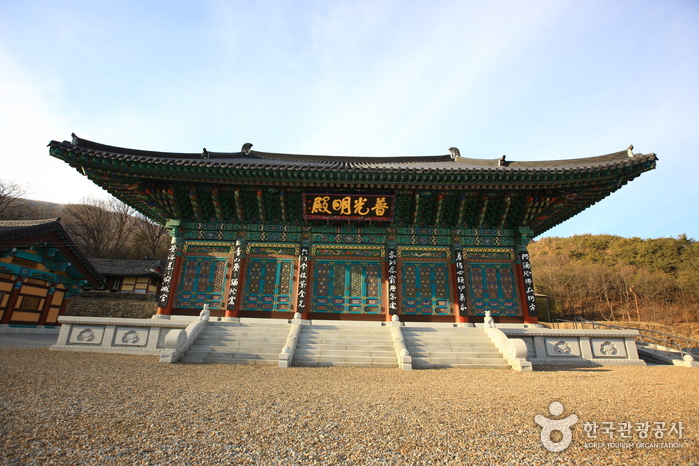
軍威郡は慶尚北道の中央に位置し、南北は短く東西に長い地形です。地勢は山岳の起伏が激しく平坦ではありませんが、平野は平らで肥沃なため農業に適しています。自然の山々と風景を存分に楽しめます。
このコースは2日間の旅程サンプルです。そのまま保存するか、AI日程に拡張できます。
Gunwi Janggok Natural Recreation Forest was created in a deep mountain valley covered with natural forest to provide a resting space for public health and recreation, foster emotional well-being, enhance public functions through multipurpose forest management, and promote regional development. It serves as a recreational area connecting Gunwi Samjon Seokgul, Ingaksa, Ilyeon Park, Gunwi Dam, and the natural recreation forest, where visitors can experience history, culture, and nature together. Equipped with lodging facilities, leisure facilities, and seminar rooms. Located in a deep mountain valley dense with broadleaf trees and pine trees, it allows visitors to fully enjoy forest bathing with the pure air of nature. At Haksodae in front of Ingaksa, the clear water of Wicheon flows, providing a spot for water play as well.
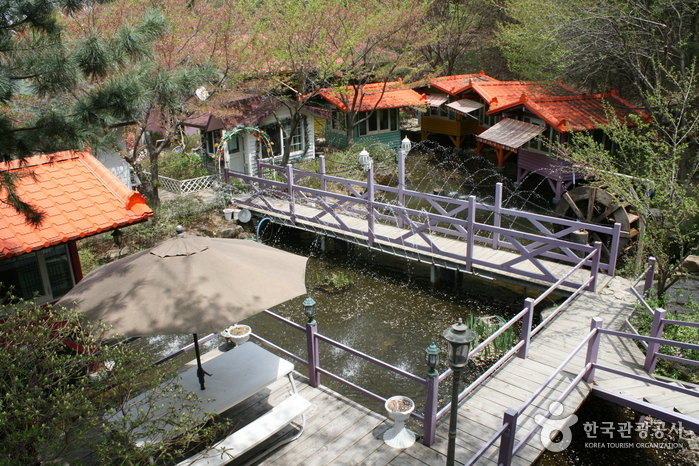
경북 팔공산 주변 음식점 중 15년 넘는 전통의 오리요리전문점이다. 물 좋고 공기 좋고 경관 좋은 팔공산 한티재 너머에 자리 잡은 이곳은 일단 도착하면 물레방아와 통나무 방갈로가 눈에 띈다. 예쁜 조경들 사이사이의 방갈로에서 오리고기를 맛볼 수 있다.
Hanbam Village is located in Bugye-myeon, Gunwi-gun, Daegu. Each house is surrounded by low stone walls that create a cozy atmosphere, as if quietly sharing old stories. The 10-ri-long stone walls and traditional houses have been preserved intact for 1000 years, and the surrounding pavilions and landscaping provide a tranquil setting that makes visitors stop and linger. Around 950 AD, a scholar named Hong Ran of the Burim Hong clan migrated here and named the village Daeya (大夜). Later, the character representing night (夜) was replaced with the character for large chestnut (大栗), and the village came to be called Daeyul-ri Hanbam Village.
In Namsan-ri, Bugye-myeon, Gunwi, there is a triad stone cave built by monk Geukdal in the 15th year of Silla King Soji's reign. Designated as a national treasure, the triad stone cave features Amitabha Buddha, Mahasthamaprapta Bodhisattva, and Avalokitesvara Bodhisattva with gentle postures inside a natural cliff cave. It remained unnoticed by the public until the late 1960s but was discovered by scholars in the early 1970s to have been created more than a century before Gyeongju Seokguram, revealing its origin and cultural value. Founded by monk Geukdal in 493 (the 15th year of King Soji of Silla), the cave has a flat floor and a square shape, with a ceiling that is highest in the center and lowers gradually towards all sides, resembling the sky. Inside the cave are the principal Amitabha Buddha and the two bodhisattvas on the left and right. The principal Buddha is seated in the lotus position with a shaven head and a full, grand, and solemn face. The ears are long, the neck is straight and slender, and the shoulders wearing the robe appear delicate and elegant. The shoulders are broad, supporting a majestic figure, and the robe is simple with ancient patterns, covering the wide knees and the front of the pedestal. Buddhism transmitted from Goguryeo blossomed on the slopes of Palgongsan and bore fruit in the Silla capital, Gyeongju. The mountain ridge extending from Birobong of Palgongsan forms a huge rocky cliff here. At 20 meters above the cliff’s midsection, a round natural cave facing south enshrines the triad Buddha statues, known as the triad stone cave.
会員登録して自分のチャンネルも一緒に紹介してもらう
(会員になると、マイページで設定した Instagram・YouTube・ブログのリンクが、あなたのコメントと一緒に表示されます。)
“「弘大近くに滞在して、夜のカフェ巡りをしました。街の夜景も雰囲気も最高でした。」”
ゲストとして投稿したコメントには、SNSリンクやプロフィールカードは表示されません。
この場所についてのちょっとしたコツや感想をシェアしてください。
ゲストとして、気軽にひとことコメントを残すこともできます。
写真の添付はログイン後に利用できます。
まだレビューがありません。最初の感想を投稿してみましょう!