金剛松と洞窟を訪ねる自然主義の旅 in 江原特別自治道 三尺市 · schedule その他 · distance 29km · 3 stops · highlights Samcheok Yeonggyeongmyo, Samcheok Jungyeongmyo, Hwansun Cave

白頭大幹が南北に伸びる三陟は、山の景観が美しい地域である。青玉山、徳項山など標高1,000メートルを超える険しく深い山々があり、立派な金剛松が群生する準敬廟と永敬廟がある。高麗時代の李承休が『帝王韻紀』を執筆した天恩寺、韓国の石灰洞窟の最高峰である還仙窟と大金窟があり、清らかな自然の中で休息するのに適している。
このコースは1日旅程のサンプルです。そのまま保存するか、AI日程に拡張できます。
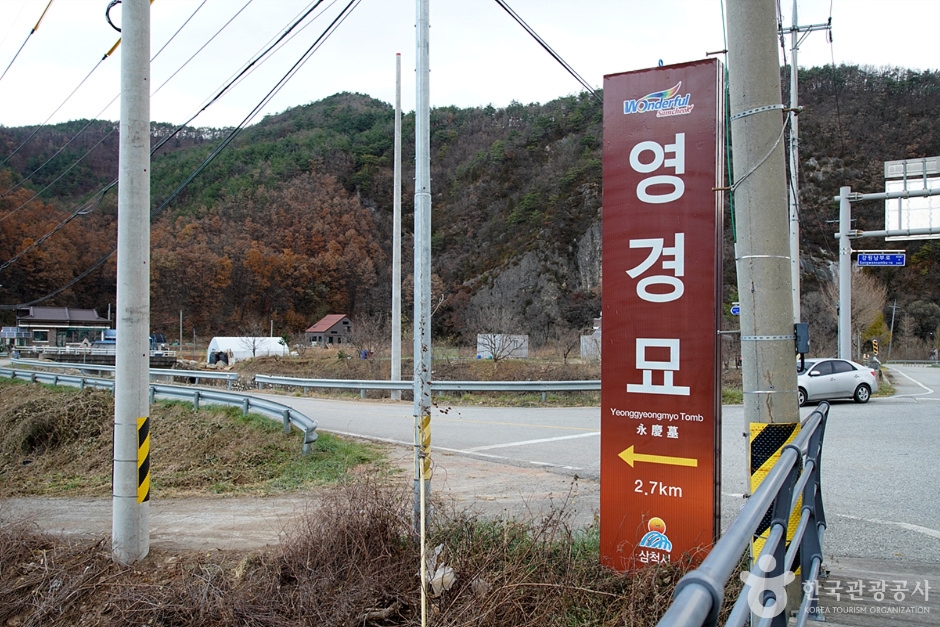
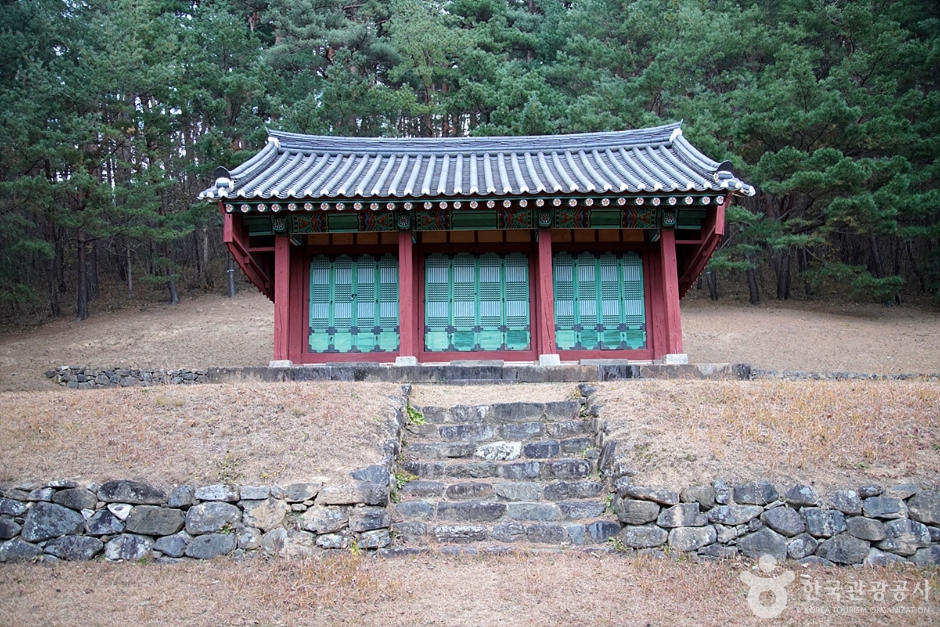
Yeonggyeongmyo is the tomb of a woman from the Pyeongchang Lee clan, the wife of General Lee Yang-mu, the 5th ancestor of Joseon Taejo Lee Seong-gye, and the mother of the 4th ancestor Mokjo Lee An-sa. Originally, she lived with Lee Yang-mu in Jeonju, Jeolla-do, but moved here and passed away. Later, Mokjo Lee An-sa relocated to Hamgyeong-do, and the site was forgotten for centuries. After the founding of Joseon, kings including Taejo made great efforts to find their ancestors' tombs. This place was called a tomb since early Joseon, as it was believed to be the 5th ancestor's grave, leading to Samcheok-gun being promoted to Samcheok-bu, but it was uncertain. In 1899 (Gwangmu 3), the tomb was restored along with Jungyeongmyo, with shrines and a pavilion built, and it was posthumously named Yeonggyeongmyo. Yeonggyeongmyo consists of a high burial mound, Hongssalmun gate, pavilion, and is designated a historic site along with the ritual hall, the wooden monument to King Mokjo, and Jungyeongmyo, the tomb of General Lee Yang-mu. Every year on April 20, the Jeonju Lee clan holds a memorial rite here. Jungyeongmyo and Yeonggyeongmyo, located 4 km away in Hwalgi-ri, are the only Joseon royal ancestors’ tombs in South Korea and hold important historical and academic value. Nearby are Samcheok Hwalgi Healing Forest, Hwalgi Cave, and the Gangwon Comprehensive Museum, making a visit to the heritage sites worthwhile.
Jungyeongmyo is located in Hwalgi-ri Neunggok and is the tomb of General Yi Yang-mu, the great-great-great-grandfather of Joseon’s founder King Taejo Yi Seong-gye. Along with his son Yi An-sa, they were influential figures in Wansan (present-day Jeonju) and, after conflict with local powers, moved to Hwalgi-ri, Miro-myeon, Samcheok, where the tomb was established. When Yi An-sa relocated to Hamgyeong-do, Yi Yang-mu’s tomb was forgotten for centuries. After the founding of Joseon, King Taejo and subsequent monarchs made great efforts to find their ancestor’s graves. Because this site represented the tomb of the 5th ancestor, the area was elevated from Samcheok-gun to Samcheok-bu and was called a neung (royal tomb) from early Joseon times, though its authenticity was unclear. In 1899 (Gwangmu 3), along with Yeonggyeongmyo, the tomb was restored, with the construction of a shrine and stele pavilion, and was honored as Jungyeongmyo. The shrine in front, the west hall, the wooden Daewang Gugeoyuji stele, and Yeonggyeongmyo, the tomb of General Yi Yang-mu's wife, were designated as historical sites in 2012. Samcheok Jungyeongmyo and Yeonggyeongmyo are the only royal ancestors’ tombs from the Joseon dynasty in South Korea and hold significant historical and academic value. An ancestral rite is held every year on April 20th, hosted by the Jeonju Yi clan’s grand ancestral shrine organization. The area is covered by a dense forest of ancient Geumgang pine trees, recognized as the most beautiful forest in a national forest beauty competition, preserving a primeval forest landscape. It is known as a famous spot for forest bathing and walking.
Hwansun Cave is the largest limestone cave in Korea, first recorded in 1662 by scholar Heo Mok in the 『Cheokjuji』. Formed about 530 million years ago, this cave preserves the natural wonder shaped by long geological time. Inside, various stalactites, stalagmites, and columns shaped like a Beauty Statue, Mary Statue, Goblin's Club, and Jade Throne majestically develop, creating a mysterious atmosphere. These delicate and unique shapes, like sculptures made by nature, leave a deep impression on visitors. A total of 47 animal species have been discovered in Hwansun Cave, with four species, including Hwansunjangnimjom Ddakjeongbeolle, found only in Hwansun Cave or first recorded there, highlighting its ecological significance. Since April 2010, a monorail has operated to allow easier access to the cave entrance. Hwansun Cave, where nature, science, and ecology harmonize, is an attractive destination for those seeking a mysterious and special geological journey.
コース後に休みやすい宿を集めました
会員登録して自分のチャンネルも一緒に紹介してもらう
(会員になると、マイページで設定した Instagram・YouTube・ブログのリンクが、あなたのコメントと一緒に表示されます。)
“「弘大近くに滞在して、夜のカフェ巡りをしました。街の夜景も雰囲気も最高でした。」”
ゲストとして投稿したコメントには、SNSリンクやプロフィールカードは表示されません。
この場所についてのちょっとしたコツや感想をシェアしてください。
ゲストとして、気軽にひとことコメントを残すこともできます。
写真の添付はログイン後に利用できます。
まだレビューがありません。最初の感想を投稿してみましょう!