
その道で慰めを得る in 江原特別自治道 平昌郡 · schedule その他 · distance 39km · 2 stops · highlights Woljeongsa Temple and Woljeongsa Fir Forest, Sangwonsa Temple

オデサン国立公園はピョンチャン郡、ホンチョン郡、カンヌン市にまたがっているが、特にピョンチャン側のコースが有名である。韓国三大トウヒの森の一つであるウォルジョンサのトウヒの森の道と、ウォルジョンサからサンウォンサへ上るソンジェ道は、歩く旅の喜びを十分に味わえる。特に秋には五色に染まる紅葉が美しさを増す。炭酸と鉄分を多く含むパンアダリ薬水は全国的に有名で、薬水場へ向かう道がトウヒの森でできているため、より特別である。
このコースは1日旅程のサンプルです。そのまま保存するか、AI日程に拡張できます。
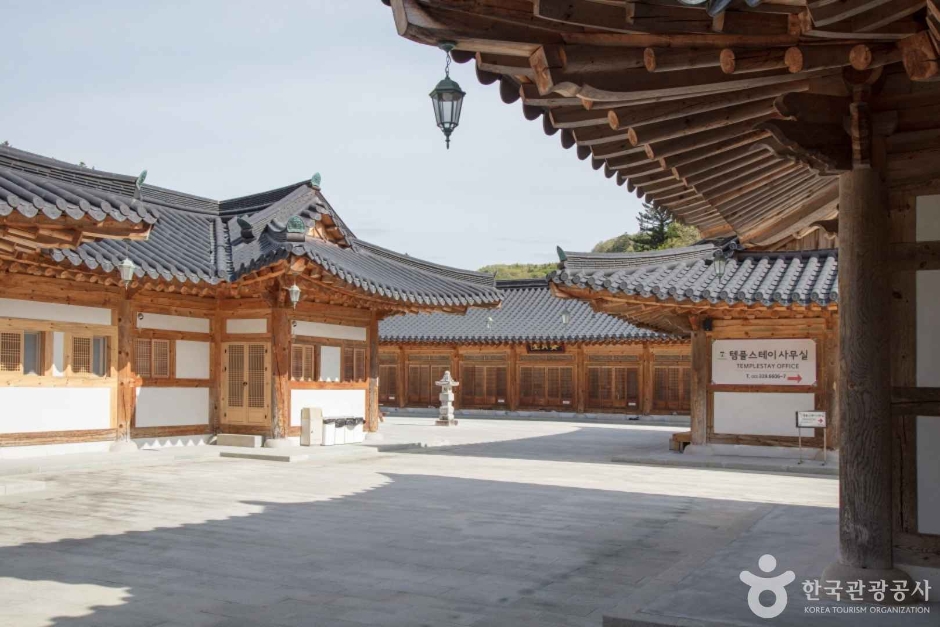
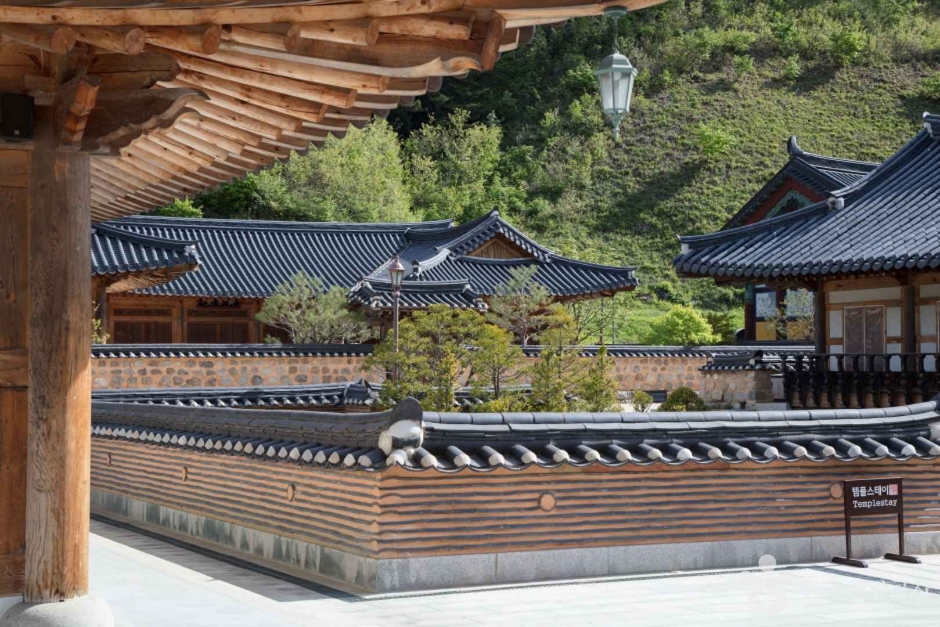
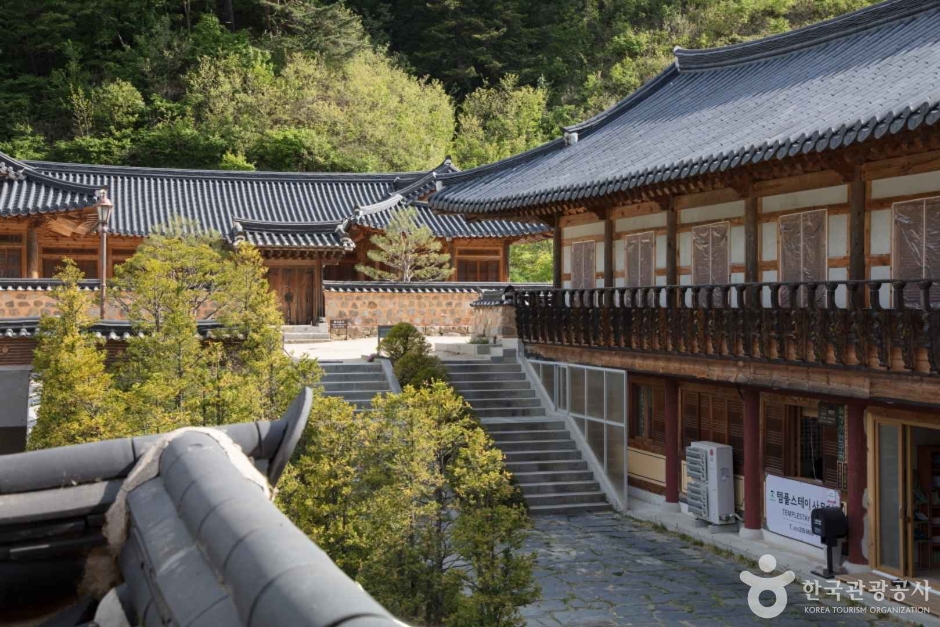
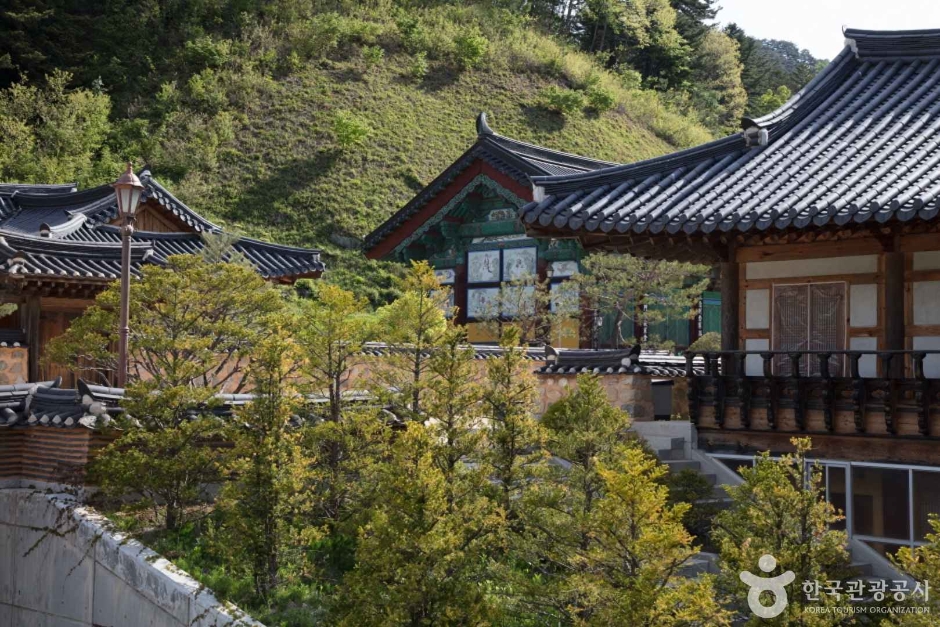
Woljeongsa Temple was founded in 643 (the 12th year of Queen Seondeok of Silla) by Monk Jajang on Odaesan, a mountain considered a Buddhist sacred site. It is the head temple of the Jogye Order's 4th district, overseeing more than 60 temples and about 8 hermitages, and holds numerous cultural assets such as the national treasure Eight-angled Nine-story Stone Pagoda, the treasure seated Stone Bodhisattva statue of Woljeongsa, and the wooden seated Manjusri statue. From the temple’s Iljumun gate to Geumgang Bridge, about 1 km, lies a fir forest with approximately 1,700 fir trees. The fir forest is a popular year-round tourist attraction representing the thousand-year-old Woljeongsa Temple, a must-visit spot. Woljeongsa offers temple stays divided into rest and experience types, allowing visitors to recharge body and mind away from the worldly life deep in the mountains. In addition, there is the Woljeongsa Ordained School for laypeople to experience monastic life. Also, Odaesan Meditation Village, shortened to OMV, covers about 99,170㎡ (roughly 14 soccer fields) with lodging, cultural experience facilities, restaurants, gardens, and forest trails, providing a natural retreat for those weary from work and competition to restore their mind and body through meditation. Furthermore, Woljeongsa operates the 9 km Seonjae-gil walking experience from Woljeongsa to Sangwonsa Temple and the Seon Meditation Yoga School with head monk Jeongnyeom and Indian yoga master Sohan.
Sangwonsa Temple is a thousand-year-old temple located near Woljeongsa, the head temple of the 4th district of the Jogye Order of Korean Buddhism. It is said to have been established by the monk Jajang during Queen Seondeok of Silla's reign, but in fact, it was rebuilt by King Seongdeok in 705 and was called Jinyeowon. It is the only temple in Korea enshrining a statue of Manjusri Bodhisattva and is famous for the story that King Sejo visited to cure a skin disease and was healed. The current temple was rebuilt after a fire in 1946, and except for the Yeongsanjeon Hall, no old buildings remain. It houses valuable cultural properties such as the national treasure bronze bell, the young Manjusri statue, the Manjusri Bodhisattva statue, and King Sejo's handwritten restoration petition. It is suitable for visiting along the 9 km Seonjae-gil trail starting from Woljeongsa.
コース後に休みやすい宿を集めました
会員登録して自分のチャンネルも一緒に紹介してもらう
(会員になると、マイページで設定した Instagram・YouTube・ブログのリンクが、あなたのコメントと一緒に表示されます。)
“「弘大近くに滞在して、夜のカフェ巡りをしました。街の夜景も雰囲気も最高でした。」”
ゲストとして投稿したコメントには、SNSリンクやプロフィールカードは表示されません。
この場所についてのちょっとしたコツや感想をシェアしてください。
ゲストとして、気軽にひとことコメントを残すこともできます。
写真の添付はログイン後に利用できます。
まだレビューがありません。最初の感想を投稿してみましょう!


![[珍富面(チンブ)]一軒家(13m²)| 1ベッドルーム/2バスルーム](https://pix8.agoda.net/hotelImages/65975378/0/ed3f321711aeab0d1737ce65c17a9372.jpg?ce=0&s=800x600)