
高麗と朝鮮をつなぐ羅州歴史紀行 in 全羅南道 ナジュ · schedule その他 · distance 31.8km · 3 stops · highlights Naju Moksanaea, Unheungsa Temple, Bulhoe Temple
견훤は羅州地域を中心に後百済を建て、高麗の太祖王建は羅州の完沙川で後の長和王后と縁を結んだ。羅州は高麗成宗の時代に羅州牧となり、千年の牧使の郷として知られている。全州と羅州の地名から一字ずつ取って「全羅道」と名付けられたことからもわかるように、羅州は千年の歴史をそのまま保持する歴史の地である。
このコースは1日旅程のサンプルです。そのまま保存するか、AI日程に拡張できます。
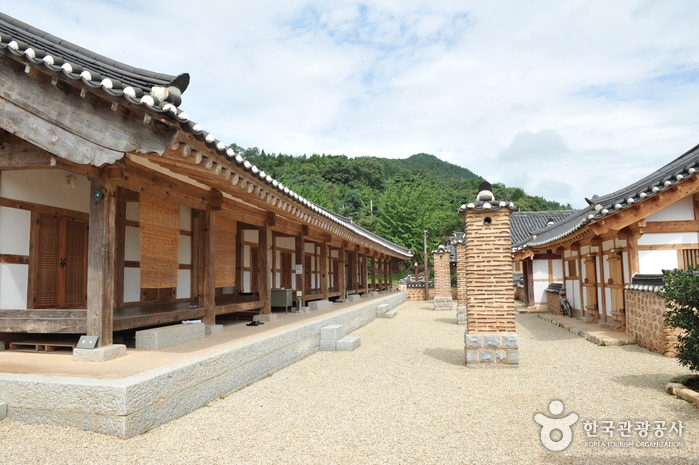
Moksanaea, guarded by a hackberry tree, was the residence of the Naju governor during the Joseon Dynasty and remains today along with other official buildings inside Naju Eupseong, including Geumseonggwan (the guesthouse) and Jeongsuru (the government office gate). The building follows the typical style of a naea (inner government residence) and has a ㄷ-shaped hipped roof structure. Although much of the original form was lost during its use as a county magistrate's residence from the Japanese occupation period to the late 1980s, the restored Moksanaea is valued as an important resource for understanding the original style of Joseon Dynasty government architecture.
Unheungsa Temple is a traditional temple. According to the Jinyeomun 4th Reconstruction record written on its main gate in 1775, Doseon Guksa chose this location for its auspicious terrain during the Heungdeok period, coming here from Heungdeok and holding the first lecture at Doseongam. It was renamed Ungjeomsa during the Silla King Hyogong era (897–911), then changed to Ungchisa, and finally to Unheungsa. In 1775, the temple had about 380 rooms, including Daewoongjeon and Chimgyeru, but was reduced in size after being destroyed during the Korean War. The large temple restoration was carried out starting in 1998 by Monk Hyewon. Unheungsa is also famous as the place where late Joseon Dynasty monk Choi Eui was ordained. At the temple entrance, there is a pair of male and female stone Jangseung (totem poles) managed by Unheungsa and the Cultural Heritage Administration. These temple Jangseung serve as guardians to prohibit impurities and keep out evil spirits. The stone totems stand about 500m from the temple in a field facing each other; the left is male, the right female. The male Jangseung is huge, 270cm tall and 192cm in circumference, with large round eyes, a blunt nose, protruding fangs, but a kindly grandfather face, with the name Sangwonju General inscribed on the body. The female Jangseung has a smiling, rustic appearance, with deep lines forming round eyes, fine beard at the mouth corners, a square jaw, and the name Hawondang General inscribed. The back of the female Jangseung records the year 1719 (Joseon Sukjong 45), confirming its exact date of creation. As evidenced by the temple’s location in Dado-myeon, this area has a deep connection to tea culture from the Joseon era, and wild tea trees still grow around the temple.
Bulhoe Temple is a branch temple of Baekyangsa, located on the mid-slope of Deokryongsan Mountain, with Unheungsa site and a mountain in between. It was founded in 366 AD (the first year of Taehwa in the Eastern Jin Dynasty) by the Indian monk Marananta, rebuilt twice by Hwiyeon and Wonjinguksa in 1402 (2nd year of King Taejong of Joseon), and reconstructed in 1800 after most buildings were destroyed in a large fire in 1789 (22nd year of King Jeongjo). The name Bulhoe means the remembrance of Buddha, signifying a place where the Buddha’s teachings continue uninterrupted through the harmony of Buddha, Dharma, and Sangha. While not flashy at first glance, Bulhoe captivates visitors with its tranquil atmosphere. The Daeungjeon Hall (National Treasure), Myeongbujeon, Samseonggak, Nahanjeon, and the temple living quarters are neatly arranged, surrounded by a camellia forest. The area is noted for having the latest autumn foliage, with the most beautiful colors nearby. Among the triad Buddha statues enshrined in Daeungjeon, the Vairocana Buddha is famous for being made of paper. At the temple entrance stands a pair of stone guardian statues called Seokjangseung, dating around 1719 (45th year of King Sukjong), which prohibit evil spirits. The grandfather statue features bulging eyes and thickly furrowed brows with a humorous expression unique to the southern region. The grandmother statue greets visitors with a kind, smiling grandmotherly face. The grandfather measures 2.3 meters, and the grandmother 1.7 meters. Bulhoe’s green tea originated 1600 years ago when Monk Marananta, who first brought Buddhism to Samhan, came to Deokryongsan Mountain to found Bulhoe Temple and introduced tea seeds. The tea trees still grow naturally under Torreya trees, and the tea made from these natural leaves is called Biroda (榧露茶). Biroda tea is produced by hand using a traditional nine-roasting method passed down from senior monks, harvesting wild tea leaves from Deokryongsan as in the old days.
コース後に休みやすい宿を集めました
会員登録して自分のチャンネルも一緒に紹介してもらう
(会員になると、マイページで設定した Instagram・YouTube・ブログのリンクが、あなたのコメントと一緒に表示されます。)
“「弘大近くに滞在して、夜のカフェ巡りをしました。街の夜景も雰囲気も最高でした。」”
ゲストとして投稿したコメントには、SNSリンクやプロフィールカードは表示されません。
この場所についてのちょっとしたコツや感想をシェアしてください。
ゲストとして、気軽にひとことコメントを残すこともできます。
写真の添付はログイン後に利用できます。
まだレビューがありません。最初の感想を投稿してみましょう!


