デギュサン ノルン プン in 全北特別自治道 ムジュ郡 · schedule その他 · distance 26.3km · 3 stops · highlights Muju Gucheondong Tourist Special Zone, Muju Meoru Wine Cave, Jeoksa…
四季折々の美しい景観を誇るクチョンドン渓谷があり、トンヨン大田高速道路が通っているためアクセスも良好なデギュデキャンプ場は、国立公園のキャンプ場として最大規模である。キャンプ場は7つの区域に分かれており、森の中に位置して自然美にあふれ、空間の利用もしやすい。周辺のワイン洞窟やデギュサンゴンドラなどの体験施設もキャンプをより楽しいものにするだろう。
このコースは2日間の旅程サンプルです。そのまま保存するか、AI日程に拡張できます。
Muju Gucheondong Tourist Special Zone is a tourist area around the Muju Gucheondong valley and Deogyusan Mountain. It includes the Deogyusan National Park Management Office and various facilities for tourists grouped together, such as a terminal, parking lots, accommodations, entertainment venues, restaurants, and various shops forming a district. The Muju Gucheondong valley is surrounded by lush forests, and its clear waters are refreshingly cool, making it a popular summer escape crowded with visitors. Deogyusan, known as a famous mountain, is renowned for its autumn foliage and winter snow scenery, attracting many tourists annually. Nearby, the National Taekwondo Center showcases cultural tourism beyond natural sightseeing, and Muju Deogyusan Resort offers a variety of leisure sports.
Muju Meoru Wine Cave was originally used as a tunnel for excavation work during the construction of the Muju Pumped Storage Power Plant (April 1988 to May 1995). To give hope and pride to meoru grape farmers, Muju-gun leased and remodeled it in 2007, leading to its current state. The tunnel, which blocks light and maintains a consistent temperature, has become an ideal wine aging and storage cellar. Wine made from Muju-gun’s mountain meoru is aged, stored, and sold here, offering visitors a special experience. The wine foot bath, which relaxes body and mind, is popular with travelers.
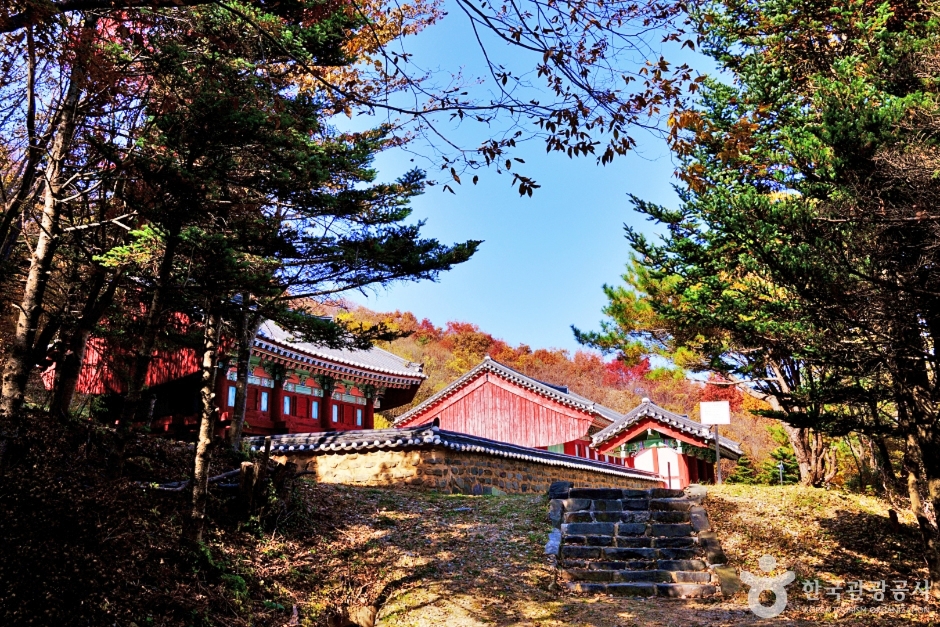
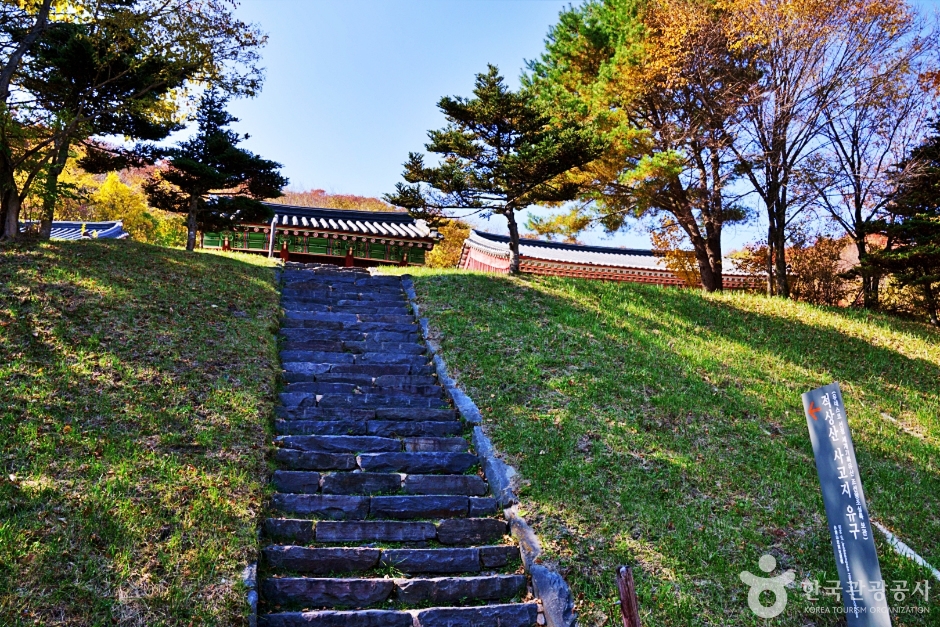
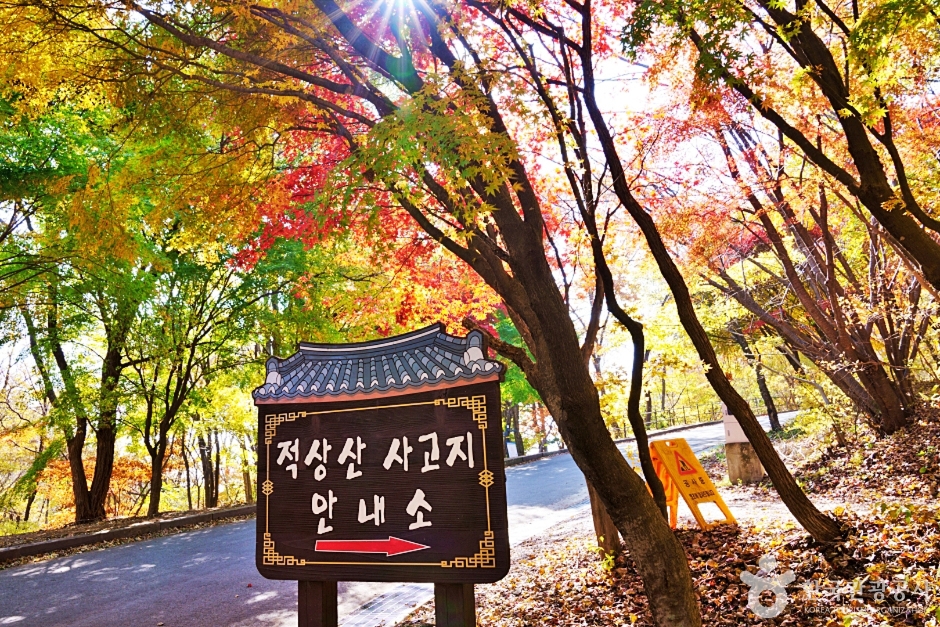
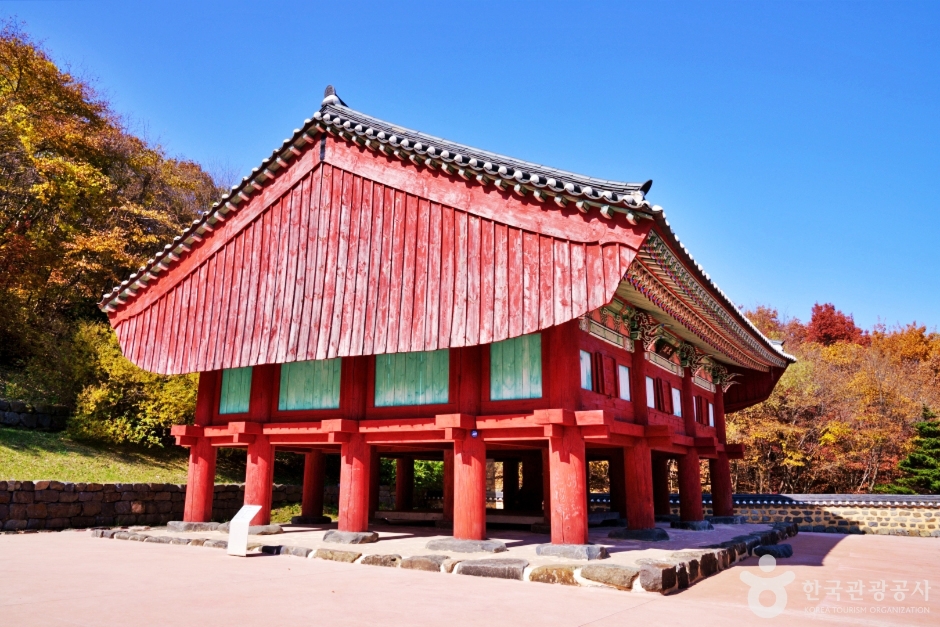
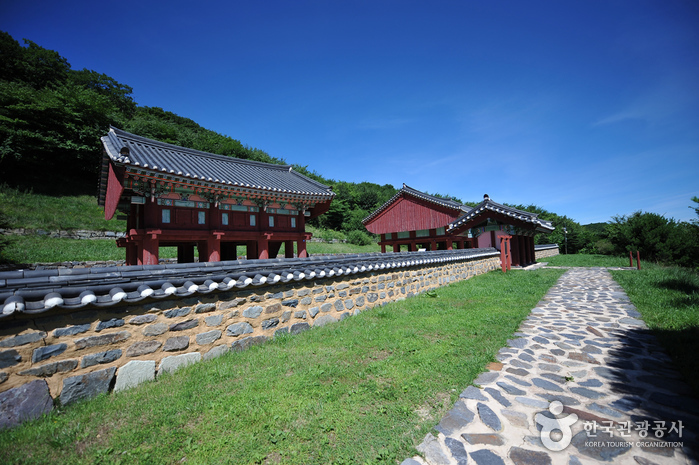
During the Japanese invasions of Korea (Imjin War), the Annals of the Joseon Dynasty, except those stored at Jeonju Sago, were lost. To restore them, three sets of the annals from King Taejo to King Myeongjong were reprinted and combined with the original Jeonju copies and corrected prints to create five sets in total, which were stored at Chunchugwan, Manisan, Taebaeksan, Myohyangsan, and Odaesan respectively. In 1641 (the 19th year of King Injo), Seonwonjeon was built here to store the Seonwonroks, making Jeoksangsansa a fully functioning archival site. Thirty-four volumes of the Joseon Wangjo Sillok copies (27 volumes representing each reign and 7 volumes related to Muju) and five volumes of the royal genealogy Seonwonrok copies were produced and kept here. Twenty-two exhibition panels detail the process of making, compiling, and transferring the annals. Cultural tourism interpreters from Muju County Office provide easy-to-understand explanations about the historical value of Jeoksangsansa and the Joseon Wangjo Sillok, making it a must-visit tourist destination, especially for family tourists with students.
コース後に休みやすい宿を集めました
会員登録して自分のチャンネルも一緒に紹介してもらう
(会員になると、マイページで設定した Instagram・YouTube・ブログのリンクが、あなたのコメントと一緒に表示されます。)
“「弘大近くに滞在して、夜のカフェ巡りをしました。街の夜景も雰囲気も最高でした。」”
ゲストとして投稿したコメントには、SNSリンクやプロフィールカードは表示されません。
この場所についてのちょっとしたコツや感想をシェアしてください。
ゲストとして、気軽にひとことコメントを残すこともできます。
写真の添付はログイン後に利用できます。
まだレビューがありません。最初の感想を投稿してみましょう!