ゴンドラに乗って登る徳裕山 香積峰 in 全北特別自治道 ムジュ郡 · schedule その他 · distance 20.7km · 3 stops · highlights Hyangjeokbong, Hangukgwan, Baengnyeonsa Temple

ムジュは標高1,614メートルの徳裕山香積峰を抱える地域である。徳裕山リゾートから出発する観光ゴンドラを利用すれば、香積峰の頂上まで約30分で到達できる。三公支援センターから香積峰までの登山道は白蓮寺を経由するコースで、ムジュ九泉洞33景のうち月下潭から香積峰までの19景が渓谷に沿って続いている。ゴンドラで香積峰まで登り、白蓮寺を経て三公切符売り場までトレッキングを楽しむコースもある。
このコースは1日旅程のサンプルです。そのまま保存するか、AI日程に拡張できます。
Deogyusan is a mountain spanning Muju and Jangsu in Jeonbuk and Geochang and Hamyang in Gyeongnam, with Hyangjeokbong at 1,614m as its highest peak. Hyangjeokbong is the fourth highest peak in South Korea, featuring ecological diversity such as yew and Korean fir clusters and azalea clusters. In winter, heavy snowfall creates beautiful snow scenes, and the gondola route from Seolcheonbong to Hyangjeokbong is a popular short course. Hyangjeokbong has Course 1 (0.6km) and Course 2 (8.5km), connecting key points such as shelters, Baengnyeonsa Temple, and Osujagul Cave. It is also possible to traverse about 14.8km from Hyangjeokbong to Namdeogyusan for a through hike.
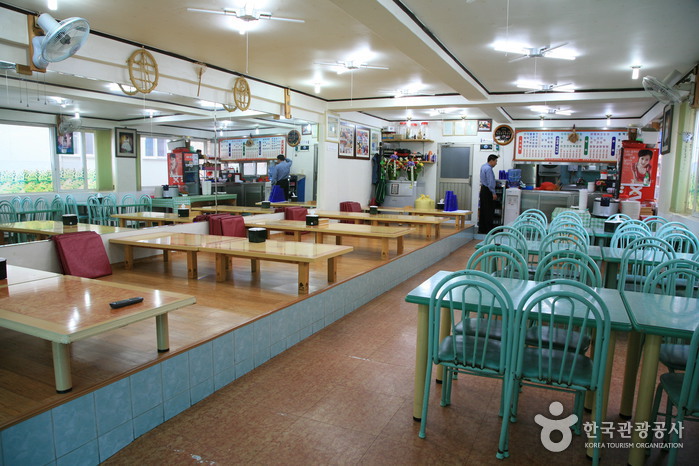
Hangukgwan is a Korean cuisine specialty restaurant located right in front of Deokyugyo Bridge in the Gucheon-dong Valley restaurant street within the Muju Gucheon-dong tourism district of Deogyusan National Park. It is one of the local food restaurants selected through a cooking evaluation in Jeollabuk-do. The menu includes soups such as native herb chicken soup, mushroom hot pot, neungi chicken soup, and spicy chicken stew, as well as meals like grilled deodeok set menu, stone pot bibimbap, neungi hangover soup, mountain vegetable bibimbap, and shiitake mushroom rice soup. Additionally, there are traditional dishes like shiitake mushroom pancake, tofu kimchi wraps, green onion pancake, and acorn jelly. Notably, meals come with nine types of side dishes mainly consisting of seasoned vegetables, offering not only great taste but also neat presentation. Among these, the shiitake mushroom rice soup is usually made with beef, but here it is made using only shiitake mushrooms, resulting in a clear and clean soup without the greasy heaviness.
Baengnyeonsa Temple is a temple located on Deogyusan Mountain in Muju and is a branch temple of Geumsansa, the main temple of the 17th district of the Jogye Order of Korean Buddhism. During the reign of Silla's King Sinmun, Baeknyeon built a hermitage and meditated there, and a white lotus flower sprouted, which led to the establishment of this temple. At the temple site, traces of a monument erected by Lee Haseop when he rebuilt the temple in Gwangu 4 (1900) can be found. The buildings were burned down during the Korean War, but the temple bell, said to have been made in Gyeongjong 3 (1723), remains after being relocated. In 1968, when the temple lodgings were constructed, the temple's name was changed from Baengnyeonam to Baengnyeonsa, and restoration efforts were made for over 30 years. The Daeungjeon Hall is five kan wide at the front and three kan deep at the side, with a distinctive eight-sided paljak roof when viewed from the side. Other structures include Seonsudang, Wontongjeon, Sacheonwangmun, and Iljumun gates. Behind the temple is the Baengnyeonsa stairway used for Buddhist precept ceremonies. Notably, it is said that anyone who chants 'Gwanseum Bosal' (Avalokitesvara Bodhisattva) and circles the area seven or more times will have their wish fulfilled, attracting many visitors continuously.
コース後に休みやすい宿を集めました
会員登録して自分のチャンネルも一緒に紹介してもらう
(会員になると、マイページで設定した Instagram・YouTube・ブログのリンクが、あなたのコメントと一緒に表示されます。)
“「弘大近くに滞在して、夜のカフェ巡りをしました。街の夜景も雰囲気も最高でした。」”
ゲストとして投稿したコメントには、SNSリンクやプロフィールカードは表示されません。
この場所についてのちょっとしたコツや感想をシェアしてください。
ゲストとして、気軽にひとことコメントを残すこともできます。
写真の添付はログイン後に利用できます。
まだレビューがありません。最初の感想を投稿してみましょう!