
私たちの茶文化と干潟の宝庫ムアン in 全羅南道 ムアン郡 · schedule その他 · distance 367km · 3 stops · highlights Topmeori Beach, Wolseon Experience Healing Village, Birthplace of S…
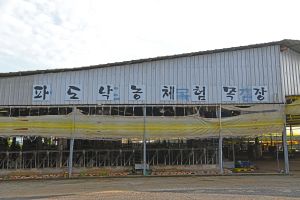
パドモク牧場は約40年前、当時政府が3000坪あたり1頭のみ許可していた中で、5頭の乳牛から始まりました。
このコースは1日旅程のサンプルです。そのまま保存するか、AI日程に拡張できます。
Topmeori Beach, located in Pisori, Mangu-myeon, west of Muan-eup, boasts a beautiful landscape where the wide white sand beach revealed at low tide harmonizes with a 200-year-old sea pine forest designated as a protected grove. The exposed white sand at low tide offers ideal conditions for mudflat experiences. The beach has shallow water and a gentle slope, with clean seawater, making it suitable for summer recreation. A plane-shaped lighthouse stands at the entrance, and landscape lighting allows visitors on the coastal road to enjoy a unique night sea view. The tranquil but magnificent scenery and abundant fish species such as grouper and mullet along the nearby coast attract people who enjoy fishing and leisure. Nearby attractions include Jogeumnaru, Nakji Park, and Holtong Recreation Area.
Wolseon Experience Healing Village consists of nine villages in Cheonggye-myeon and Mongtan-myeon that operate multi-sensory satisfaction programs to revive our rural culture. Here, villagers live together, hold exhibitions, and host festivals when peach and apricot blossoms bloom, offering various attractions, activities, and foods. The village offers 1-night, 1-night 2-day, and 2-night 3-day programs that include rural experiences, natural ecological environment and forest observation and learning, plant therapy programs, pottery making, natural dyeing, and Korean beef experiences, providing sensory satisfaction. At the Korea Tea Culture Center, participants study tea and learn tea ceremony etiquette, moving beyond boring theory to practical education aimed at habit change through the 'Character Leader Creation Project' and four specialized personality education courses. A distinctive feature is the cultural heir program, where elders pass on their life stories to younger generations to preserve their value. Starting with ceramic artists in 1990, artists specializing in calligraphy and natural dyeing have settled here, making it known as an artist village; moreover, over 30 households are pure return-to-farming residents. Cheonggye Nam Elementary School, once facing closure, has transformed into a happy school respecting individual student traits and attracts rural study students from outside.
Seonsa Cho Ui, a monk of the Joseon Dynasty known as a Seon master in simple clothes, ordained at the age of 15 at Iljiam, Daedunsan, Haenam. He served tea, herbs, and nature and wore simple clothing, earning the Dharma name Cho Ui. He enjoyed tea gatherings and exchanged kind words with contemporary figures like Chusa Kim Jeonghui and Dasan Jeong Yak-yong. Skilled in Buddhism, Taoism, and Confucianism, he left many writings. While practicing at Iljiam, Daedunsa in Haenam, he focused on writings about Seon thought and tea. He revitalized the then-declining Buddhist community as a great Seon master and revived Korean tea ceremony culture, revered to this day. Proficient in poetry, calligraphy, and painting, he was known as the 'Five-Sections' master. The Birthplace of Seonsa Cho Ui includes restored birth home and memorial shrine, a memorial exhibition hall, Joseon tea history museum, tea culture experience center, Yongho Baekrojeong pavilion, Iljiam Chodang, Cho Ui Seonwon, and Geumo Chodang, establishing it as a pilgrimage site for tea practitioners. The Oh Seung Woo Art Museum is adjacent for visitors to enjoy related art works.
コース後に休みやすい宿を集めました
会員登録して自分のチャンネルも一緒に紹介してもらう
(会員になると、マイページで設定した Instagram・YouTube・ブログのリンクが、あなたのコメントと一緒に表示されます。)
“「弘大近くに滞在して、夜のカフェ巡りをしました。街の夜景も雰囲気も最高でした。」”
ゲストとして投稿したコメントには、SNSリンクやプロフィールカードは表示されません。
この場所についてのちょっとしたコツや感想をシェアしてください。
ゲストとして、気軽にひとことコメントを残すこともできます。
写真の添付はログイン後に利用できます。
まだレビューがありません。最初の感想を投稿してみましょう!


