自然がもたらした贈り物、白蓮池と清浄な干潟 in 全羅南道 ムアン郡 · schedule その他 · distance 93.4km · 6 stops · highlights Muan Hoesan Baengnyeonji, Pumba Origin Site, Muan Sikdang

東洋最大の白蓮自生地として知られる務安会山白蓮池と、全国初の湿地保護地域に指定された務安の干潟を一緒に巡る。旅のコースは、我が国の茶道を確立した人物である初衣禅師の遺跡から始まり、白蓮池、プンバ発祥地を経て清浄な干潟へと続く。中でも務安生態干潟センターは子供の学習スペースとして利用できる。移動距離がかなりあるため、途中で適宜休憩を取ることが望ましい。
このコースは2日間の旅程サンプルです。そのまま保存するか、AI日程に拡張できます。
Muan Hoesan Baengnyeonji is located in Bokyong-ri, Illo-eup, Muan-gun, Jeollanam-do. This pond covers an area of about 100,000 pyeong and is widely known as a natural habitat of white lotus (Baengnyeon). It was constructed with the blood and sweat of nearby villagers during the Japanese colonial period to secure agricultural water. However, due to the Yeongsan River Comprehensive Development Plan, it has mostly lost its function of supplying agricultural water. The white lotus flowers at Muan Hoesan Baengnyeonji bloom repeatedly from July to September each year. In August, when the most flowers can be seen, a lotus flower festival is held. Along the road to the festival venue, there is also a 700-pyeong aquatic plant nature learning center. Here, various aquatic plants native to Korea can be seen, including red lotus, whyeon, whygaeyeon, water lilies, eoryeon, yellow eoryeon, sundchae, water hyacinth, taksa, water poppy, and water lettuce. Recently, it was also discovered that the endangered plant gasiyeonkkot forms a colony in this area.
Cheonsachon located in Uisan-ri, Illo-eup, Muan-gun, Jeollanam-do is the old site where 'Pumba,' the pioneer of situational theater embodying the sorrow and history of our people and the hope for a new era, was born. Pumba premiered in 1981 at the Illo-eup Gonghoedang through the Inui Arts Association with adaptation and direction by poet and playwright Kim Sira from Muan, and starred Jeong Gyusu (the first Pumba). Since then, it has set records as the longest-running domestic and international performance with over 4,000 shows and attracted the largest audiences.
Since its opening in 1976, Muan Sikdang, where the Muan onion Hanwoo began, boasts 50 years of tradition. It carefully selects only Hanwoo certified by the Korea Hanwoo Association to maintain the highest quality. You can enjoy the unique taste of the Hanwoo shabu-shabu developed in-house, the melt-in-your-mouth raw Hanwoo beef, and the savory flavor of tender an-chang-sal (skirt steak), experiencing the umami of Muan onion Hanwoo to the fullest. Side dishes served by default, alongside grilled nakji horong and salted yellow corvina, are familiar and mildly flavored like homemade dishes. Fittingly for the onion-famous Muan, the side dishes and sauces made with onions enhance the umami. The restaurant is spacious with many seats, making it suitable for gatherings and celebrations.
조금나루 해수욕장은 무안읍에서 남서쪽으로 12km 정도 떨어진 망운면 송현리에 위치하고 있다. 마을 끝에 툭 불거져 나온 4km가 넘는 긴 백사장에 울창한 송림까지 겸비한 천혜의 해수욕장이다. 원래는 조금에 한 번씩 배를 타고 건너야 하는 섬이었으나 지금은 육지와 연결되어 놀이공간이 충분하여 여름 피서철에는 각종 단체나 모임에서 즐겨 찾는다. 또한 샤워장, 급수대, 화장실 등 편의시설이 잘 갖추어져 있어서, 하룻밤 야영하며 바닷가의 정취를 즐기기에 좋다.
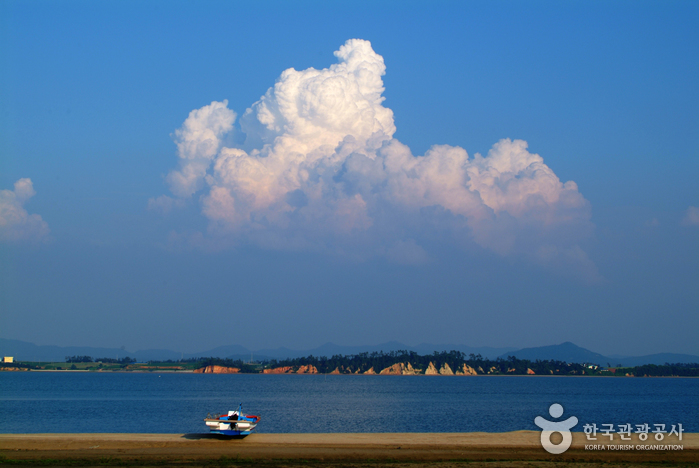
Muan Gaetbeol maintains the primitiveness of natural ecology and a clean environment. The site allows observation of the formation and disappearance processes of the mudflat in the same location, granting it high geological preservation value. Additionally, its mudflat shape and biodiversity were recognized, resulting in it being designated as the nation's first wetland protection area in 2001, and later registered as a Ramsar wetland and Gaetbeol Provincial Park in 2008. Muan Hwangto is called 'oxygen to eat' and contains a large amount of germanium, which is effective for anti-cancer, immune function enhancement, and anti-aging. Centered around the Muan Ecological Gaetbeol Science Museum, there are attractions including a bonsai-themed exhibition hall and bonsai exhibition room, as well as accommodations such as a hwangto igloo, hwangto hut, bungalows, caravans, and auto camping sites. Facilities include restaurants, a store, cafe, and barbecue area. Visitors can learn about the importance of mudflats and the diverse characteristics of mudflat organisms through exhibition facilities and experience learning centers for mudflat activities and making marine creature figures and fin buttons. At Muan Hwangto Gaetbeol Land, families and friends can spend healing and restorative time together.
Doripo is a port located at the southern tip of the Chilsan Sea extending to Hampyeong and Yeonggwang, at the end of the Haeje Peninsula, where you can see both sunset and sunrise. It is selected as one of the 100 Beautiful Fishing Villages in Korea by the Korea Tourism Organization. The Chilsan Bridge, connecting Yeomgwang-myeon in Yeonggwang-gun and Doripo in Haeje-myeon, Muan-gun, is popular as a driving course. The Hamhae Bay, surrounded by the Haeje Peninsula and the land areas of Muan, Hampyeong, and Yeonggwang counties, is the largest spawning ground for fish along the southwest coast. Various fish species such as sea bass, snapper, croaker, and stingrays lay eggs here, hatch their young, which later venture into the open sea and return as adults to spawn. Additionally, there are seaweed and oyster farms in Hamhae Bay, and soft, plump Muan mud octopuses are caught in abundance. At the end of the breakwater in Muan-gun, there is a lighthouse shaped like an octopus, honoring the Muan mud octopus and symbolizing the origin of the bountiful sea and the fishing village harbor scenery.
コース後に休みやすい宿を集めました
会員登録して自分のチャンネルも一緒に紹介してもらう
(会員になると、マイページで設定した Instagram・YouTube・ブログのリンクが、あなたのコメントと一緒に表示されます。)
“「弘大近くに滞在して、夜のカフェ巡りをしました。街の夜景も雰囲気も最高でした。」”
ゲストとして投稿したコメントには、SNSリンクやプロフィールカードは表示されません。
この場所についてのちょっとしたコツや感想をシェアしてください。
ゲストとして、気軽にひとことコメントを残すこともできます。
写真の添付はログイン後に利用できます。
まだレビューがありません。最初の感想を投稿してみましょう!