壬辰倭乱の英雄、四明大師に会う in 慶尚南道 密陽市 · schedule その他 · distance 50km · 3 stops · highlights 표충비, 영남루, 아랑각, Man-eo-sa Temple
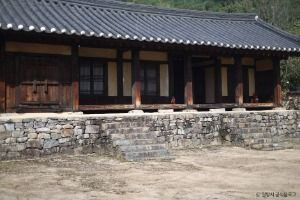
ミリャンは壬辰倭乱の際に僧兵長として活躍した四明大師の生誕地である。ミリャンの東西軸に沿って四明大師の生家跡、表忠碑、表忠寺などの遺跡が続く。生家跡には大師の生家が残り、国に変事があるたびに汗を流す表忠碑や、四明大師の位牌が祀られた表忠寺など、僧兵長として国難の克服に先頭に立った大師の生涯をたどることができる。
このコースは1日旅程のサンプルです。そのまま保存するか、AI日程に拡張できます。
밀양시 무안면 홍제사 경내에 위치한 비각으로 사명당 송운대사를 일명 사명대사비라 부른다. 임진왜란 당시 의승병을 이끌어 왜군을 크게 무찌르고 일본에 전쟁포로로 끌려간 조선인 3,000명을 환국시킨 유정의 높은 뜻을 기리기 위해 세웠다. 즉 표충사의 동쪽인 이곳에 1742년(영조 18) 대사의 5대 법손 남붕이 경산에서 갖고 온 돌로 건립하였다.
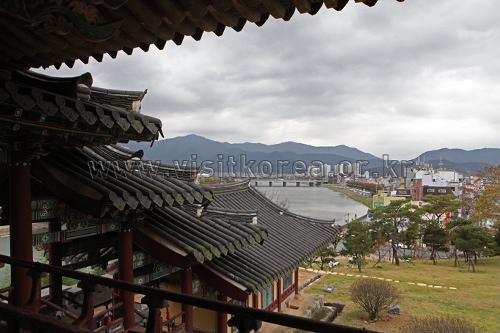
경상남도 밀양시 내일동에 있는 조선시대 사당으로 밀양 남천강 옆의 영남루 바로 아래 대나무숲 속에 있다. 이 비각은 죽음으로써 처녀의 정절을 지킨 아랑을 기리는 것으로 조선 명종 때 세워진 것이라 한다. 1965년 종래의 건물이 낡아 지역민들과 출향 인사들의 성금과 당국의 보조로 현재의 아랑각을 중건하였다. 사당은 맞배지붕의 3칸 건물이며, 삼문으로 이루어진 정문(正門)은 정순문(貞純門)이라 편액하였다. 사당 안에는 이당(以堂) 김은호(金殷鎬)가 그린 아랑의 영정과 위패가 봉안되어 있다.
Man-eo-sa Temple is located on the 8th ridge of Man-eo Mountain, which has an elevation of 674 meters. According to records in the Samguk Yusa, it was founded by King Suro of the Garak Kingdom and is a traditional temple that supports the theory of the southern transmission of ancient Korean Buddhism. The temple holds many legends and mysterious phenomena. It was known for performing rainmaking rituals during prolonged droughts and was considered sacred. According to the Sejong Sillok Jiriji, it was a place for Shilla kings' merit-making rituals. The Samguk Yusa records that the temple was first built in 1180, the 10th year of King Myeongjong of Goryeo, and a three-story stone pagoda was erected. The Samguk Yusa Tower volume contains records related to the founding of Man-eo-sa: In the pond called Okji in the Yangsan area, a lone dragon and five evil spirits caused chaos, destroying farmers' crops. King Suro tried to expel them with shamanistic rituals but failed. He then requested Buddha’s sermon, by which the spirits received the five precepts. Subsequently, numerous fish and dragons from the East Sea were inspired by the Buddha’s teachings and gathered in this mountain, turning into stones that emitted mystical bell sounds. To honor this, King Suro founded the temple and named it Man-eo-sa, meaning "Temple of Ten Thousand Fish," reflecting the stones turned from the fish inspired by Buddhism. The stone in front of the temple still rings with a clear sound when struck and is called the Bell Stone (Jongseok). It is designated as a cultural monument of Gyeongsangnam-do. (Source: Miryang-si Culture and Tourism)
コース後に休みやすい宿を集めました
会員登録して自分のチャンネルも一緒に紹介してもらう
(会員になると、マイページで設定した Instagram・YouTube・ブログのリンクが、あなたのコメントと一緒に表示されます。)
“「弘大近くに滞在して、夜のカフェ巡りをしました。街の夜景も雰囲気も最高でした。」”
ゲストとして投稿したコメントには、SNSリンクやプロフィールカードは表示されません。
この場所についてのちょっとしたコツや感想をシェアしてください。
ゲストとして、気軽にひとことコメントを残すこともできます。
写真の添付はログイン後に利用できます。
まだレビューがありません。最初の感想を投稿してみましょう!