
内蔵山の紅葉と東学革命の熱い願望が燃えるチョンウプ in 全北特別自治道 鄭邑市 · schedule その他 · distance 50.8km · 3 stops · highlights Jeongeup Hwangtohyeon Battlefield, Jeongeup Naejangsan…
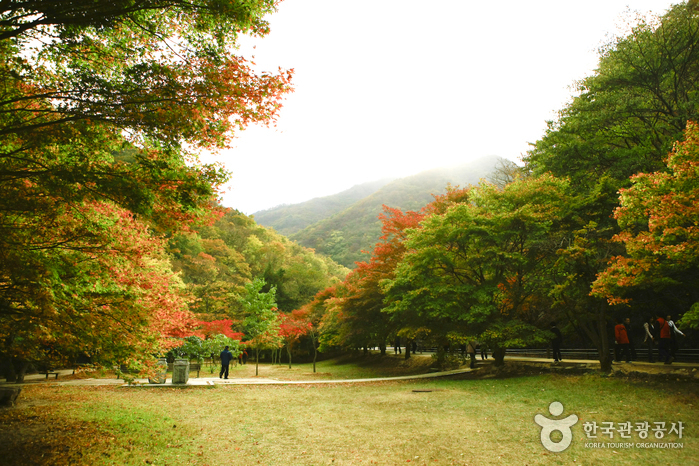
美しい内蔵山の紅葉で有名なチョンウプは、この地の民衆が新しい世界のために東学革命の熱い願望を燃やした歴史の現場でもある。燃えるような内蔵山の赤い紅葉を鑑賞しながら、かつて新しい世界のために立ち上がった民衆の熱い願望を胸に刻もう。
このコースは2日間の旅程サンプルです。そのまま保存するか、AI日程に拡張できます。
A small hill covered with ocher soil, this site marks a major victory for the Donghak Peasant Army over the government forces during the 1894 Gabo Donghak Revolution. In early April 1894, when the government army pursued the peasant army, the peasants lured them here and fought fiercely from the night of April 6 to the early dawn of April 7, securing a significant victory. On that day, they captured the Gobu government office and later took control of Heungdeok, Gochang, and Mujang, spreading the flames of the peasant revolution to Gyeongsang and Chungcheong regions. Today, atop the ridge of Hwangtohyeon is the Gabo Donghak Revolution Memorial Tower, and at the southeastern foot of the tower is the Hwangtohyeon Battlefield Memorial Hall. Sitting with your back to the tower, the red earthen mound and fields across the road leave a strong impression.
Naejangsan, located about 11 km from Jeongeup city center, is renowned for its blazing red autumn foliage of deciduous trees, making it Korea's top fall foliage destination. The name Naejangsan means 'mountain with infinite hidden treasures' and has been called the Geumgang of Honam since the Joseon Dynasty. The Naejangsan Tourist Area includes Naejangsan mountain, Naejangsa temple, a cable car, an observatory, the Naejangsan Autumn Foliage Tunnel, and Uhwa-jeong pavilion on a lake that reflects the crimson leaves like a watercolor painting. Near the Naejangsan public terminal, restaurants, motels, and pensions gather to assist tourists. Naejangsan’s main peak is Sinseonbong at 763 m, surrounded by nine peaks forming a horseshoe shape, creating a mystical atmosphere. It boasts beautiful scenery, listed as one of the nation’s top eight sights, with famous valleys including Geumseon Valley with Geumseon and Dodeok waterfalls, and Baegam Valley. There are over 10 hiking trails ranging from 1.5 to 14 km, allowing selective trekking based on fitness and preference. For easier access, a 3.6 km flat nature trail is available. Visitors can also take a cable car from the ticket office to the observatory.
Pihyangjeong Pavilion, widely known as the finest pavilion in Honam, originally had two ponds named Sangyeonji and Hayeonji in front and behind it, creating a beautiful scenery. However, Sangyeonji was filled in during the Japanese colonial period, and only Hayeonji (Taechangje) remains today. It was named Pihyangjeong because when lotus flowers bloom in the pond, the fragrance fills the surroundings. There is a legend that during the Silla period, scholar Choe Chiwon, while serving as governor of Taesan, composed poems here, but the exact date of the pavilion's construction is uncertain. The current pavilion is a mid-Joseon Dynasty wooden structure, open on all four sides and surrounded by railings. It is an important cultural heritage that showcases mid-Joseon wooden architectural style, serving as valuable material for architectural history research. Nearby tourist attractions include Taein Hyanggyo Confucian School, Taein Dongheon, Jeongtosa Temple, and the Old House Cultural Experience Center, making it ideal for linked sightseeing.
コース後に休みやすい宿を集めました
会員登録して自分のチャンネルも一緒に紹介してもらう
(会員になると、マイページで設定した Instagram・YouTube・ブログのリンクが、あなたのコメントと一緒に表示されます。)
“「弘大近くに滞在して、夜のカフェ巡りをしました。街の夜景も雰囲気も最高でした。」”
ゲストとして投稿したコメントには、SNSリンクやプロフィールカードは表示されません。
この場所についてのちょっとしたコツや感想をシェアしてください。
ゲストとして、気軽にひとことコメントを残すこともできます。
写真の添付はログイン後に利用できます。
まだレビューがありません。最初の感想を投稿してみましょう!


