ファスンの支石墓遺跡を歩く in 全羅南道 華順郡 · schedule その他 · distance 50km · 3 stops · highlights Hwasun Dolmen Cluster [UNESCO World Heritage], Unju Temple, Ssangbongsa…

ファスンは全北高敞、江華島とともに支石墓遺跡が世界文化遺産に登録されている場所である。テシンリからヒョサンリに至る道にはピンメ岩をはじめ、多数の支石墓や石を採取した採石場の跡も見られる。支石墓遺跡を一周し、別の石の美しさが隠れているウンジュサの千仏千塔やサンボンサのチョルガム仙師塔も訪ねてみよう。
このコースは1日旅程のサンプルです。そのまま保存するか、AI日程に拡張できます。
The Hwasun Dolmen Cluster is distributed across the Yanggye valley area connecting Hyosan-ri in Dogok-myeon and Daeshin-ri in Chunyang-myeon. Among the approximately 980 stones dispersed around Hyosan-ri in Dogok-myeon, 135 are estimated to be dolmens, and there remain over 100 stones showing the shapes of capstones whose lower parts are either buried or broken. The Hyosan-ri dolmens, including those clearly exposed or quarried and moved to build dolmens, are estimated to have been at least 250 in number. In the Daeshin-ri area of Chunyang-myeon, among a total of 3,309 stones, 124 are estimated to be dolmens. With more than 200 stones buried or shaped like capstones, it is believed that originally or for use as dolmen capstones, there were more than 300 dolmens. The surveyed dolmens with standing stones number 23. A distinctive feature of the Hwasun Dolmen Cluster is the concentration of about 596 dolmens within a narrow area and the presence of the largest (heaviest) capstones in South Korea. The dolmen in Daeshin-ri, Chunyang, measures 7.3m long, 5.0m wide, and 4.0m thick, weighing approximately 280 tons, while the largest dolmen in Hyosan-ri, Dogok, is estimated to weigh over 100 tons, measuring 5.3m long, 3.6m wide, and 3.0m thick. Furthermore, groups of dolmens with stone chambers and those with exposed chambers beneath capstones found nearby reveal the quarrying process of dolmen capstones. Underneath these quarries are standing stone-based dolmens, dolmens with exposed stone chambers, and stone chambers without capstones, providing a comprehensive view of dolmen construction processes in one place. On December 2, 2000, it was registered as a UNESCO World Heritage Site together with the Gochang and Ganghwa dolmens, rising as an international tourist destination.
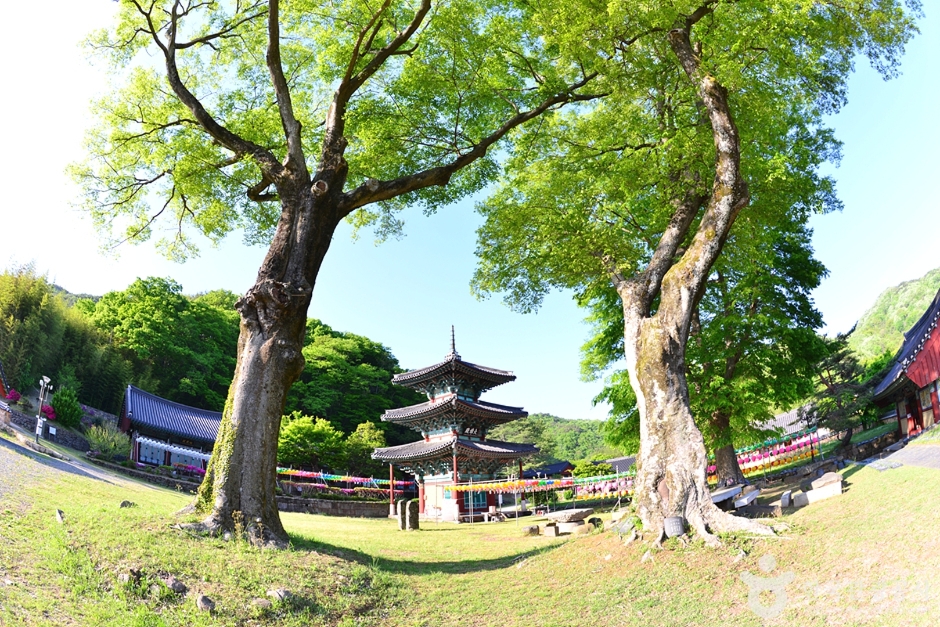
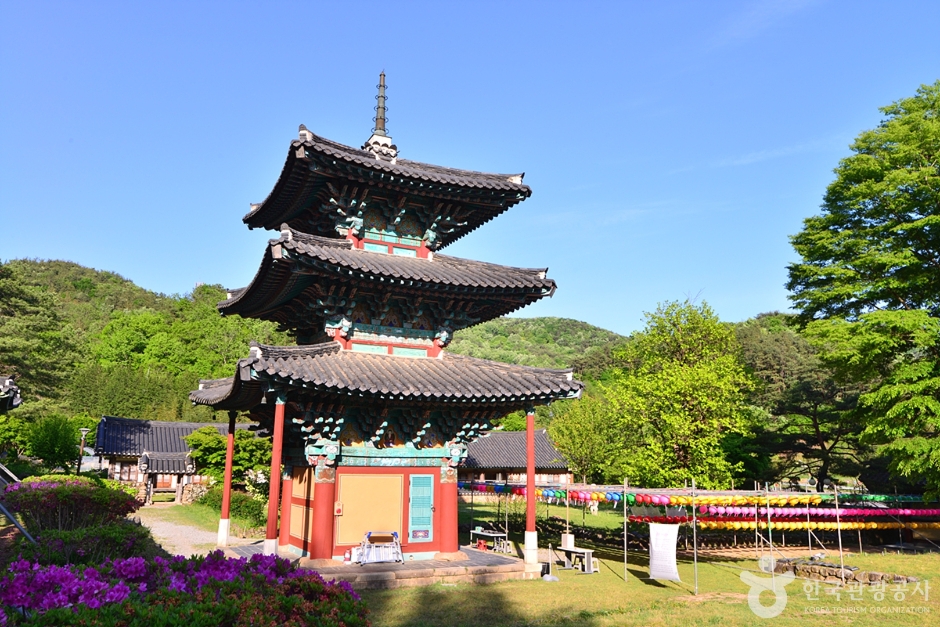
Unju Temple, the 2nd of Hwasun’s 8 Scenic Sites, has several origin stories: it is said to have been founded by Doseon Guksa, Unju Monk, or Mago Halmi. The most widely told story is that Doseon Guksa established it as a pungsujiri-based bibo temple in the late Unified Silla period. A bibo temple means a temple built to complement geographic energy for protection; it was constructed artificially with pagodas and Buddha statues to offer protection and peace to the country and people, reflecting Doseon Guksa’s wisdom borrowing Buddha’s power. The temple was damaged during the Imjin War and fell into ruin, but in the 18th century, Jau repaired Buddha statues and pagodas and rebuilt the Yaksa-jeon hall. Excavations uncovered relics including gilt-bronze Buddha statues, pure celadon, inlaid celadon, buncheong ware fragments, and roof tile pieces, suggesting it was established by the early Goryeo period, at least by the early 11th century. On a hill west of the Unju Temple valley lie a pair of reclining couple Buddhas. The area around the temple is designated as a cultural heritage protection zone, and in 2017, the "Hwasun Unju Temple Stone Pagoda Group" was finally registered on the UNESCO World Heritage Tentative List.
Ssangbongsa Temple was established before 839 during the Unified Silla period. Monk Hyecheol spent summers here, and around 855 Monk Cheolgam returned from China, saw the harmonious mountain and water landscape here, and founded the temple. The terrain has two mountain peaks in front and behind the temple, called Ssangbong, hence the name Ssangbongsa. After its founding, the temple declined but was rebuilt in 1081 by Monk Hyeso to restore its original form. It was destroyed during the Imjin War and has been reconstructed several times since. Important cultural heritage includes the Cheolgamseonsa Pagoda, Cheolgamseonsa Stela, and Ssangbongsa Daeungjeon Hall. The Cheolgamseonsa Pagoda is regarded as the most beautiful stone Buddhist stupa in Korea. The Cheolgamseonsa Stela is a late Silla work, with only the turtle-shaped base and dragon-shaped headstone remaining. The Daeungjeon, a square three-story structure 12 meters tall, was the only building preserving the form of a three-story wooden pagoda in Korea except for the top parts, but it was destroyed by a candle fire in 1984. Experience programs include temple stay, divided into rest and long-term rest types. Activities such as communal meals, Buddhist ceremonies, meditation, and tea talks with monks are offered. Visitors can enjoy walking around the temple grounds in the clean air to maintain healthy mind and body.
コース後に休みやすい宿を集めました
会員登録して自分のチャンネルも一緒に紹介してもらう
(会員になると、マイページで設定した Instagram・YouTube・ブログのリンクが、あなたのコメントと一緒に表示されます。)
“「弘大近くに滞在して、夜のカフェ巡りをしました。街の夜景も雰囲気も最高でした。」”
ゲストとして投稿したコメントには、SNSリンクやプロフィールカードは表示されません。
この場所についてのちょっとしたコツや感想をシェアしてください。
ゲストとして、気軽にひとことコメントを残すこともできます。
写真の添付はログイン後に利用できます。
まだレビューがありません。最初の感想を投稿してみましょう!
![Hwasun Dolmen Cluster [UNESCO World Heritage] 1](https://tong.visitkorea.or.kr/cms/resource/27/3534427_image2_1.jpg)
![Hwasun Dolmen Cluster [UNESCO World Heritage] 2](https://tong.visitkorea.or.kr/cms/resource/28/3534428_image2_1.jpg)
![Hwasun Dolmen Cluster [UNESCO World Heritage] 3](https://tong.visitkorea.or.kr/cms/resource/29/3534429_image2_1.jpg)
![Hwasun Dolmen Cluster [UNESCO World Heritage] 4](https://tong.visitkorea.or.kr/cms/resource/30/3534430_image2_1.jpg)