春に浸る童心 in 京畿道 火星市 · schedule その他 · distance 57km · 2 stops · highlights Hwaseong Woori Flower Botanical Garden, Hongsungin Elevated House
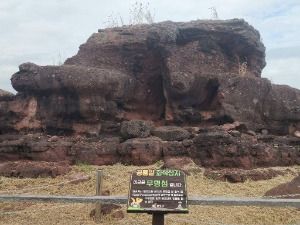
2000年3月21日に国指定文化財の天然記念物に指定された。1999年4月25日、華城市松山面古亭里一帯で始まった始華湖干拓地の陸地化に伴う生態系と地質の変化に関する基礎調査中に、始華湖南側の干拓地で発見された。
このコースは2日間の旅程サンプルです。そのまま保存するか、AI日程に拡張できます。
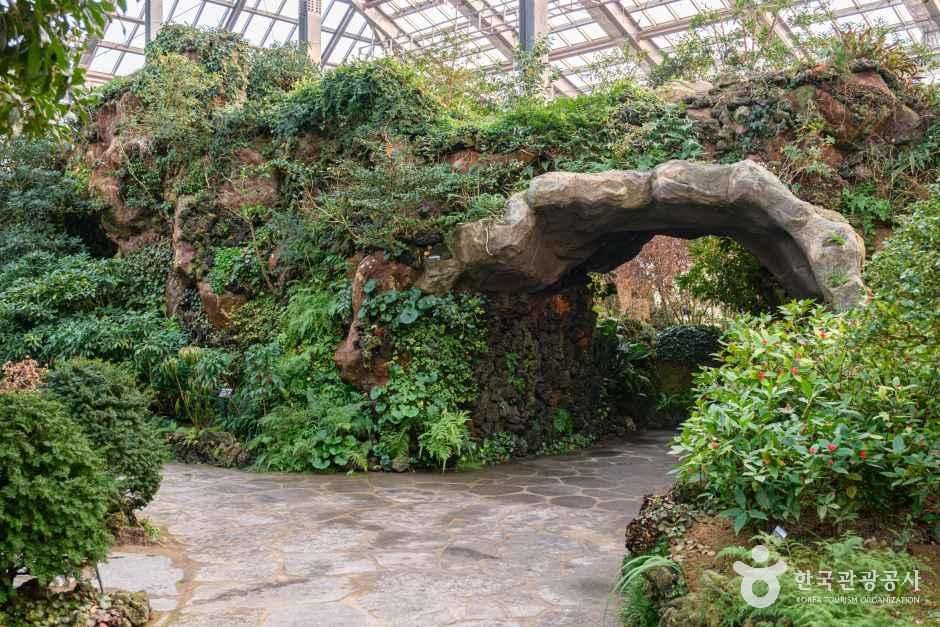
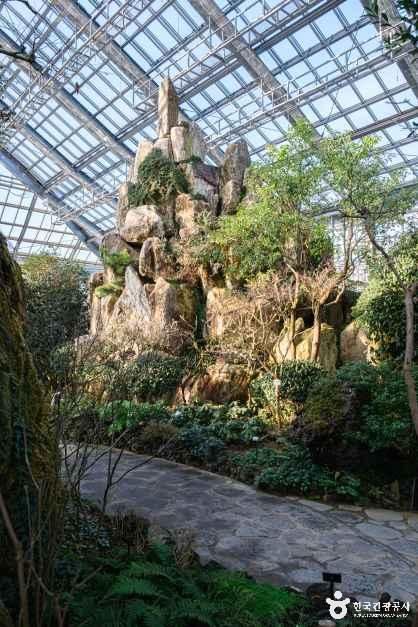
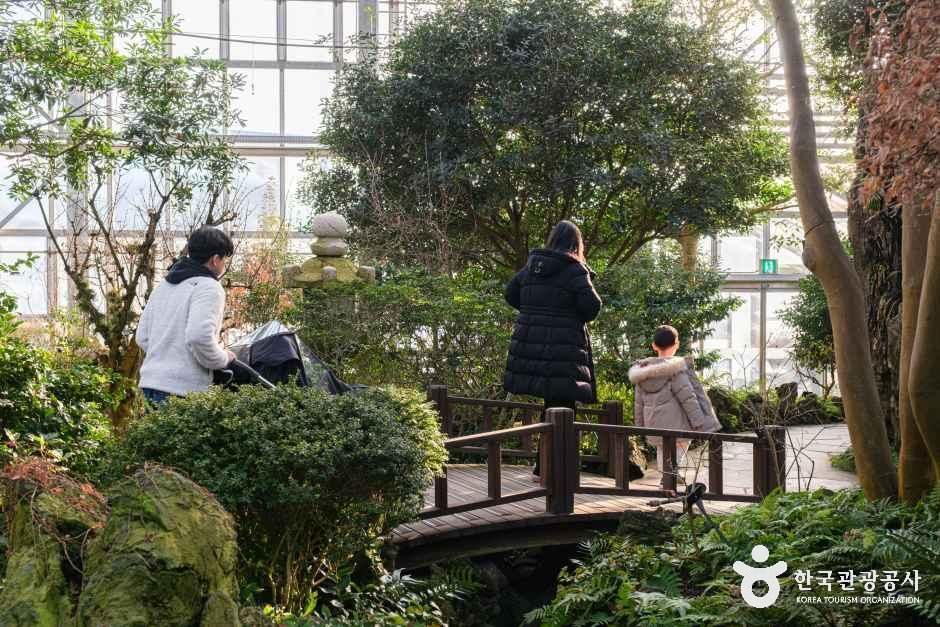
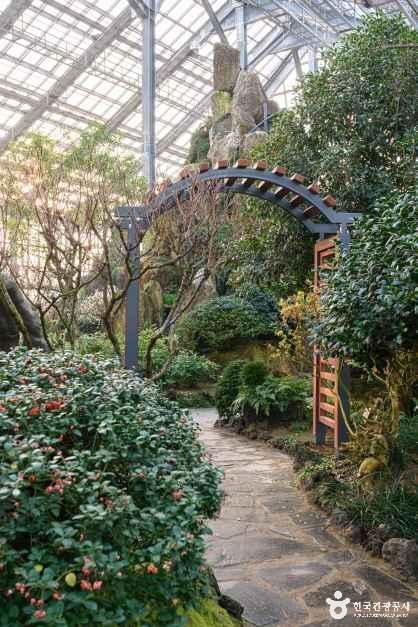
Located in Paltan, Hwaseong-si, Woori Flower Botanical Garden is a botanical garden where you can see about 1,100 species of plants throughout the four seasons. The Four Seasons Hall, a glass greenhouse built in the traditional Korean hanok style, is created to reflect the environment of the central region, allowing visitors to observe different plants each season. Additionally, you can view about 300 species of plants including a rockery shaped like five famous mountains of Korea, the root of the Pokdal tree where wishes come true, and tree ferns. There is also an ecological pond for wetland and aquatic plants, a medicinal garden showcasing various plants and their medicinal effects, and a theme garden planted with grasses like silver grass and pink muhly that convey an autumn atmosphere. Especially for children, there is a play forest with a zipline and slides, a fountain plaza for water play in midsummer, and various experience programs such as marimo cultivation, sand art, and edible flower activities. Behind the botanical garden is a hiking trail connected to Deunggosan Mountain allowing about a 30-minute walk around the Woori Flower Botanical Garden trail. Cultural tourism guides are also available, sharing stories about grasses, trees, and flowers.
This house, registered as a Gyeonggi-do cultural heritage property, well represents the traditional residential life of local wealthy farmers in Gyeonggi-do. It is composed overall of an anchae (main building), sarangchae (men's quarters), and haengnangchae (servants' quarters), forming a 'ㅁ' shape. The anchae is shaped like 'ㄱ'; it has a central daecheongmaru (main hall), with the main room to the east and the opposite side with a guest room, and the kitchen in front of the main room. Behind the kitchen is the backyard with a well and jangdokdae (earthenware jar platform). The sarangchae is also 'ㄱ' shaped, with a central daecheong and one room on each side; outside the wooden porch, changho (windows) are attached, making the porch look like a corridor from the front. The haengnangchae in front of the sarangchae is a nine-room single row (一字形) with a central gate. Notable features include the long sarangchae divided doors, intricate lattice windows on the side, and the side door, all preserved in their original state. Although there is no definite material to establish the construction date, based on the materials and furniture in the sarangchae, it is estimated to be from the late 19th century, with the anchae presumed to be earlier.
コース後に休みやすい宿を集めました
会員登録して自分のチャンネルも一緒に紹介してもらう
(会員になると、マイページで設定した Instagram・YouTube・ブログのリンクが、あなたのコメントと一緒に表示されます。)
“「弘大近くに滞在して、夜のカフェ巡りをしました。街の夜景も雰囲気も最高でした。」”
ゲストとして投稿したコメントには、SNSリンクやプロフィールカードは表示されません。
この場所についてのちょっとしたコツや感想をシェアしてください。
ゲストとして、気軽にひとことコメントを残すこともできます。
写真の添付はログイン後に利用できます。
まだレビューがありません。最初の感想を投稿してみましょう!