大邱の盆地の中部平野の遺跡を訪ねて in 慶尚北道 慶山市 · schedule その他 · distance 72.3km · 3 stops · highlights 영남대학교박물관, Hye Gwangsa, Seongju Gyeongsan-ri Seongbak Forest

慶山市は三国時代以前の新羅の地方小国であった押督国があった歴史の深い地域で、古代の石墓が多く発見されている。その一帯は美しい公園として整備されており、秋の風景を楽しめる。特に新羅の遺跡研究が進んでいる嶺南大学博物館は見どころが多い。
このコースは1日旅程のサンプルです。そのまま保存するか、AI日程に拡張できます。
영남대학교 박물관은 국내의 역사·고고·예술·민속 및 인류학 분야의 자료, 특히 대구·경산 지역에서 발굴, 조사되는 신라·가야문화의 자료를 종합적으로 수집·보관·전시하여 이에 관한 자료의 조사연구에 기여하며, 향토문화의 전승·발전과 인류문화 발전을 도모하고자 설립되었다.
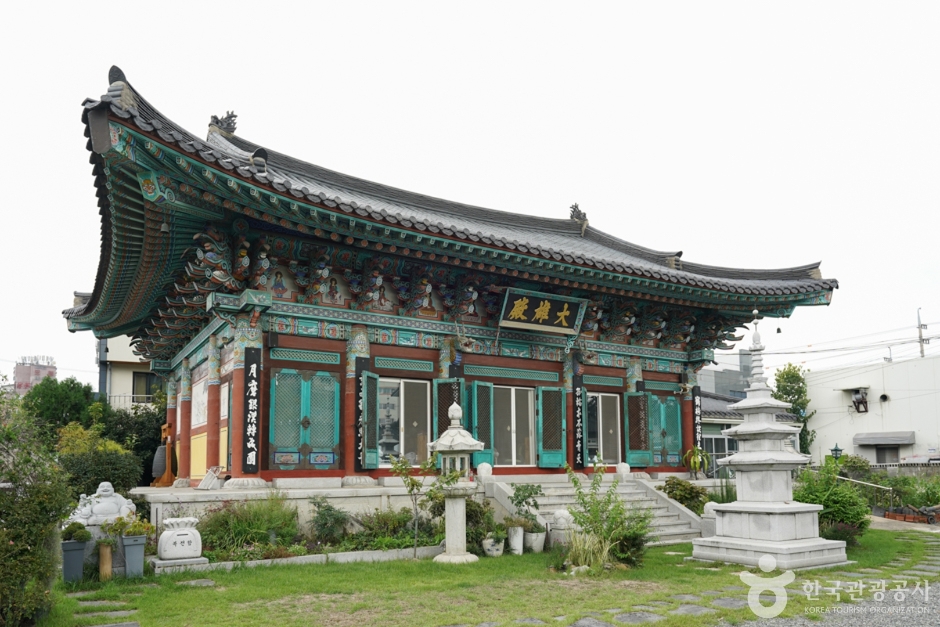
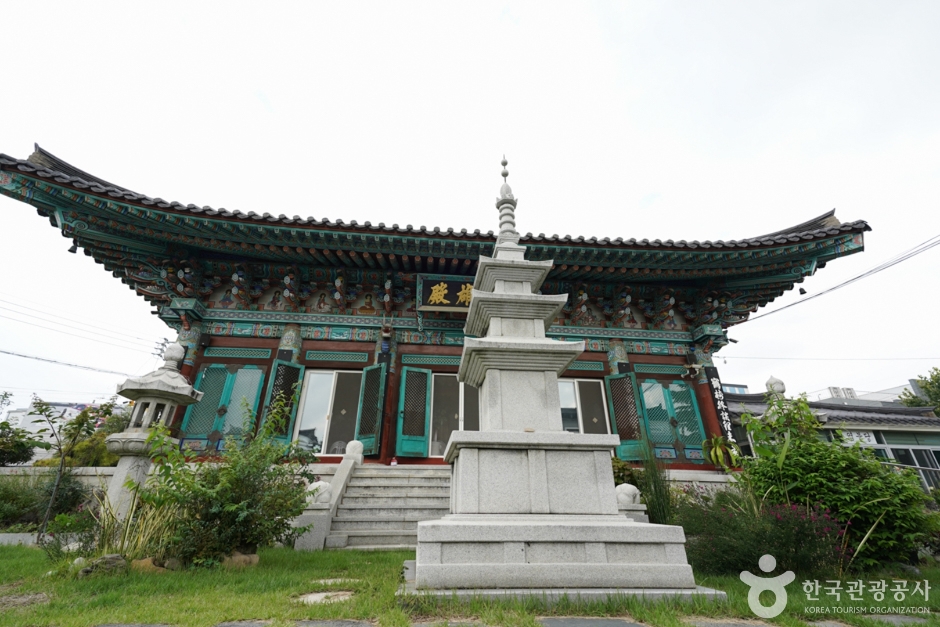
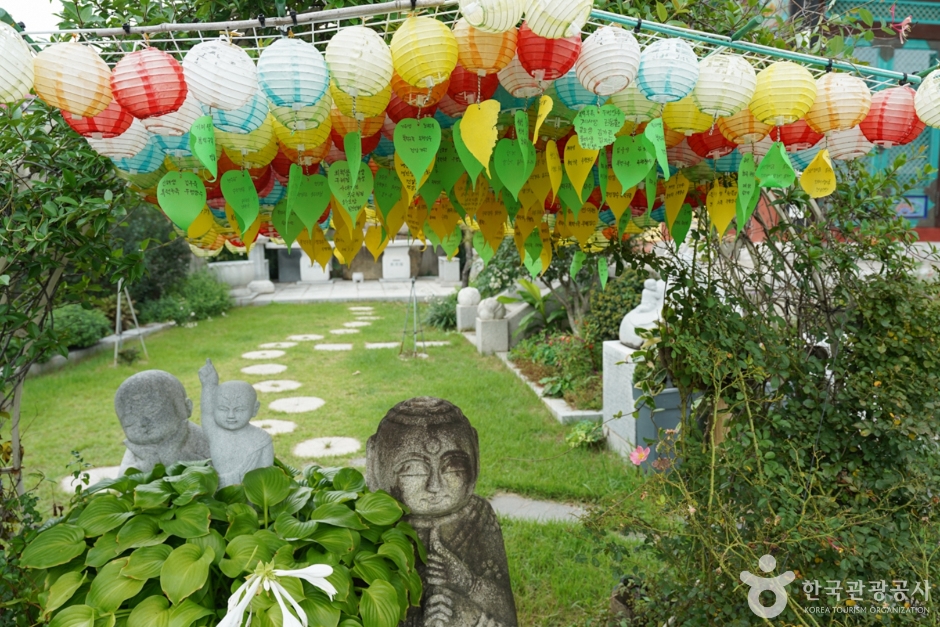
Hye Gwangsa, affiliated with the Korean Buddhist Beophwa sect, was founded in 1931. The temple buildings of Hye Gwangsa were originally built during the Japanese colonial period by a Japanese monk named 'Tuhyeon,' who relocated a building formerly used as the guesthouse of Jaein-hyeon in the Joseon Dynasty to this site and constructed it as a Japanese-style temple to propagate Japanese Buddhism. It is said the Japanese monk chose this location because it was the center of Gyeongsan at the time and was a feng shui auspicious site shaped like a lotus flower floating on water. After liberation, a Korean monk named Hye Gwang who had lived in Japan resided here, abandoning Japanese-style Buddhism and registering the temple under the Korean Buddhist Beophwa sect. At this time, the temple was named Hye Gwangsa after the abbot's Dharma name, and a Buddhist altar painting enshrined in the current Daeungjeon was brought from a temple in Korea, firmly establishing its status as a temple of the Korean Buddhist Beophwa sect. However, over time, Hye Gwangsa gradually declined and was on the verge of near abandonment until 1975, when Venerable Hye Mun of the Beophwa sect was newly appointed abbot, rebuilt the Daeungjeon, transformed the temple into its present form, and has served here to this day.
Seongju Gyeongsan-ri Seongbak Forest is a forest created outside the west gate of Seongju Eupseong (town fortress), where 52 royal willow trees aged 300 to 500 years grow. According to records in the 『Gyeongsanji』 and 『Seongsanji』, it is said to have been made following feng shui principles to prevent the unexplained deaths of children outside the west gate during the mid-Joseon period. Beyond its simple name as a forest outside the fortress, it is a valuable space containing diverse history and life stories of Seongju. Composed solely of old royal willow trees forming a monospecific forest, it has academic value and is a traditional village forest created according to the village’s feng shui, history, culture, and faith, thus it is designated and protected as a natural monument for its high values in local identity, folklore, and historicity. It also serves as a traditional village protective forest (Bibolim), reflecting the ancestors’ traditional view of nature to preserve the village's scenery, which adds significant academic value. Currently, Seongbak Forest is used as a space for festivals and various events, as well as for residents’ walking and sports activities, serving as a multifunctional space. The royal willows turn light green in April to May, and in August, the forest is spectacularly decorated with the purple blooms of wild Liriope spicata.
コース後に休みやすい宿を集めました
会員登録して自分のチャンネルも一緒に紹介してもらう
(会員になると、マイページで設定した Instagram・YouTube・ブログのリンクが、あなたのコメントと一緒に表示されます。)
“「弘大近くに滞在して、夜のカフェ巡りをしました。街の夜景も雰囲気も最高でした。」”
ゲストとして投稿したコメントには、SNSリンクやプロフィールカードは表示されません。
この場所についてのちょっとしたコツや感想をシェアしてください。
ゲストとして、気軽にひとことコメントを残すこともできます。
写真の添付はログイン後に利用できます。
まだレビューがありません。最初の感想を投稿してみましょう!