ハーフムーンベアと遊ぼう! in 慶尚南道 慶尚南道 · schedule その他 · distance 22.4km · 2 stops · highlights Bear Tree Park, Biamsa Temple

韓国で最も遅く設立され、最も若い都市である世宗市にはどのような観光地があるだろうか。ハーフムーンベアに会えるベアトリーパークは家族旅行者に人気がある。百済時代の遺跡である雲州山城は子ども連れの家族旅行者が登るのに負担が少ない。樹齢800年のケヤキの木が一の門となっている古刹、飛岩寺も訪れてみよう。
このコースは1日旅程のサンプルです。そのまま保存するか、AI日程に拡張できます。
Bear Tree Park, located in Sejong Special Self-Governing City, opened in May 2009. It was developed from plants and animals nurtured for over 50 years by founder Lee Jae-yeon, growing into the current Bear Tree Park. On a 330,000㎡ (100,000 pyeong) site, more than 1,000 species and about 400,000 flowers and trees coexist with koi, moon bears, and spotted deer. Starting with the colorful pond inhabited by over 100 koi, visitors can directly see hundreds of moon bears and brown bears playing. There is an observatory providing a panoramic view of the park, Bear Tree Garden blooming all year round, and a petting zoo exhibiting baby moon bears, deer, peacocks, mandarin ducks, and more. The park also includes Songbaekwon, a pine garden collecting rare pine trees; Hagyegjeongwon, a summer garden harmonizing dead trees and incense trees; a rose garden with thousands of roses; a wildflower hill featuring native wildflowers; a bonsai garden with various bonsai trees; a tropical greenhouse garden gathering rare tropical plants found in Korea; Mangyeongbiwon, full of cacti, succulents, and petrified wood; Hyangnudongsan, a cedar grove with over 100-year-old incense trees; and Songpawwon, a European-style garden shaped like a map of Korea with an 800-year-old zelkova tree. Over 1,000 koi, previously scattered across several outdoor ponds, gather in one place to survive the warm winter, creating a spectacular sight. Visitors can witness a whirlwind of koi gathering when food is scattered.
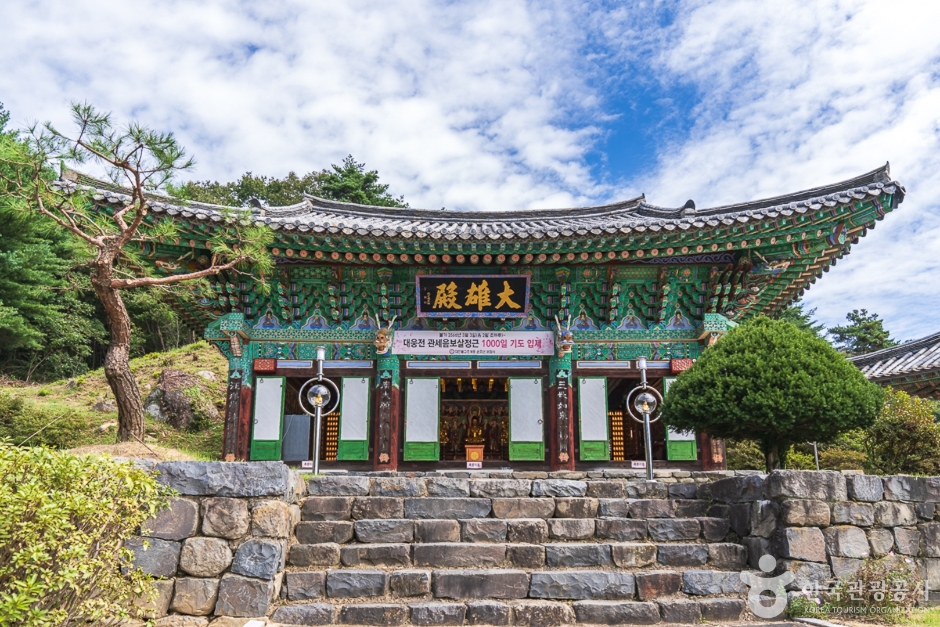
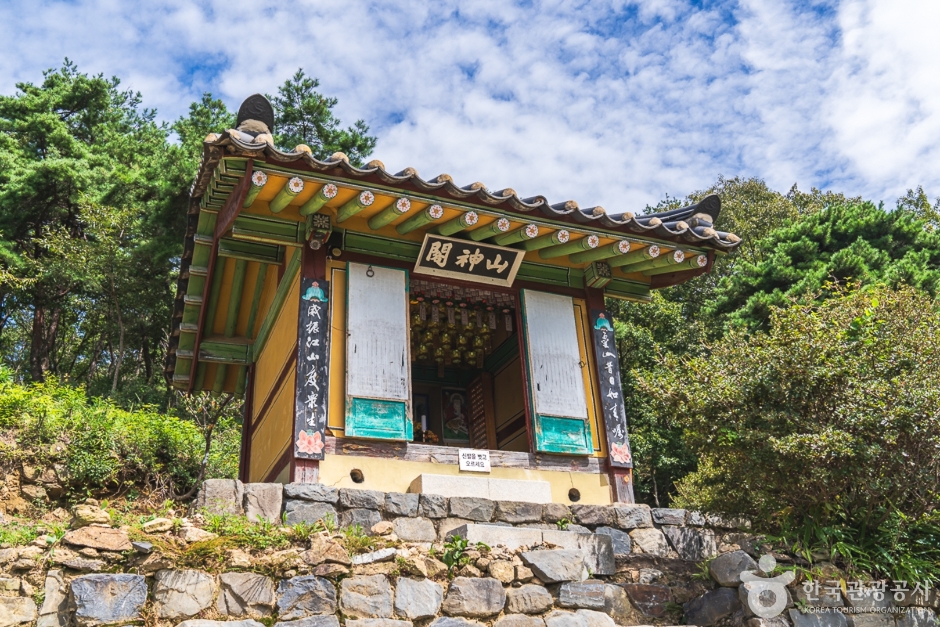
The traditional temple Biamsa is said to have been founded by Doseon Guksa at the end of the Unified Silla period, but the exact history is unknown. The national treasures, including the Gye-yu Inscription Amitabha Buddha Stele and the cultural assets such as the Gi-chuk Inscription Amitabha Buddha Stele and Maitreya Bodhisattva Ban'gasa Statue discovered at Biamsa, are kept at the National Cheongju Museum. The closed roof inside Biamsa’s Geungnakbojeon Hall, restored in 1657, has been newly designated as a treasure due to its elaborate and splendid craftsmanship. Half of the cultural heritage excavated in Sejong City reportedly comes from Biamsa, making it a representative historical and cultural heritage site of Sejong City. The 860-year-old zelkova tree at Biamsa is another attraction; in olden times when farming was fundamental, villagers predicted the year's harvest by observing how the leaves sprouted on the tree in early spring. If leaves sprouted from the bottom up, it was believed to be a bad harvest, and if from the top down, a good one. The inscription in front of the tree reads “Not a single person has come by.” After parking at Biamsa parking lot, rather than going straight up to the temple, follow the stairs behind the restroom up the mountain a bit to view Biamsa at a glance. Surrounded by forest and with few visitors, it allows one to fully experience the charm of an ancient mountain temple.
コース後に休みやすい宿を集めました
会員登録して自分のチャンネルも一緒に紹介してもらう
(会員になると、マイページで設定した Instagram・YouTube・ブログのリンクが、あなたのコメントと一緒に表示されます。)
“「弘大近くに滞在して、夜のカフェ巡りをしました。街の夜景も雰囲気も最高でした。」”
ゲストとして投稿したコメントには、SNSリンクやプロフィールカードは表示されません。
この場所についてのちょっとしたコツや感想をシェアしてください。
ゲストとして、気軽にひとことコメントを残すこともできます。
写真の添付はログイン後に利用できます。
まだレビューがありません。最初の感想を投稿してみましょう!