
ヘパランギ) in 慶尚北道 慶州市 · schedule 3泊以上 · distance 77.7km · 6 stops · highlights 慶州 感恩寺址, 慶州イギョンデ, Yangpo Port
ヘパランギは釜山の五六島から始まる全長750kmの韓国で最も長いウォーキングトレイルです。その中の慶州、浦項、盈徳区間を歩くコースです。慶州にある文武大王陵、感恩寺址、異見台を訪れることができます。また、浦項の梁浦港、長旨邑城、馬牧長城と盈徳の槐市里伝統村も含まれています。
このコースは4日間の旅程サンプルです。そのまま保存するか、AI日程に拡張できます。
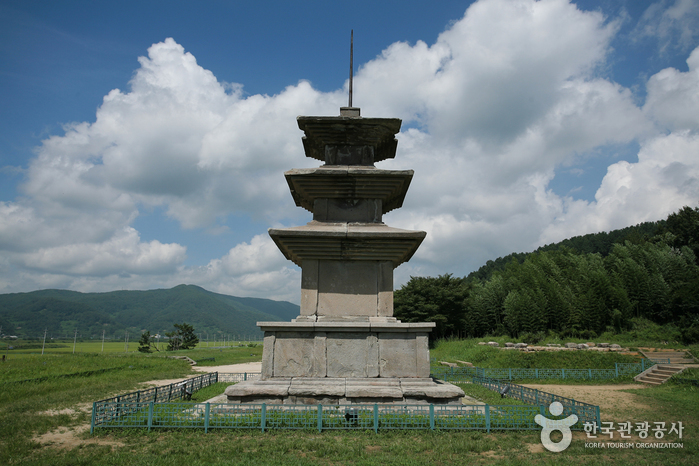
感恩寺は東海岸にある統一新羅時代の寺院で、文武王が三国を統一した後、仏の力を借りて倭寇の侵入を防ぐために建立した。寺が完成する前に文武王が亡くなり、その意志を継いだ息子の神文王が682年に完成させた。文武王は死後、海の竜となって国を守るために遺言で東海に葬られた。文武王の墓所は大王岩であり、神文王はこの寺を完成させ父王への感謝の意を込めて感恩寺と名付けた。現在は三層石塔2基と金堂、講堂などの建物跡のみが残る。感恩寺址は1979年から2年間の発掘調査により創建当時の建物基礎が露出整備された。金堂地下には東海の海水が流入する通路が作られ、海の竜となった文武大王の象徴的な空間が確認されている。二つの三層石塔は統一新羅初期のもので、数十の部材を組み立てて建てられ、国内最大級の石塔である。
大王岩を意義深く眺められる場所が二か所ある。大本小学校の前にあるイギョンデと、東海口という標石の下に『私の忘れられない海』という記念碑が立つ場所である。イギョンデは華麗な陵墓を避け、東海の龍となって国を守ろうとした文武王が龍に変わった姿を見せた場所であり、その息子の新文王が非常に貴重な宝物である万波息笛を得た由緒ある場所である。イギョンデという名前は『周易』の『飛龍在天 利見大人』から取られており、現在の建物は1970年の発掘調査で明らかになった礎石に基づいて最近建てられたものである。東海口の標石の下に降りると、1985年に弟子たちが建立した反日意志を称える記念碑『私の忘れられない海』が見える。日本統治時代に明白な侵略を内鮮合一という名目で正当化しようとした日本の強引さに対し、すでに統一新羅時代に倭寇の侵略を警戒した文武王の護国の意志を振り返り、古有燮が詠んだ『大王岩』という詩と『私の忘れられない海』という記念碑が大王岩を望む場所に並んで建てられており、その意義は深い。
Yangpo Port is a fishing port located in Nam-gu, Pohang-si, Gyeongbuk. Many people enjoy fishing around the port where fishing boats are docked and on the breakwater. Additionally, Yangpo Port regularly operates fishing boats for outings, making it a popular spot among fishing enthusiasts. The main fish species in Yangpo Port are flatfish, yellowtail, greenling, and octopus. Surrounding Yangpo Port, there are fishing supply stores, supermarkets, restaurants, and pensions. Moving north from Yangpo Port, you will find Guryongpo Port, Guryongpo Beach, and Homigot Sunrise Square in order. Also, heading south leads to several beaches around Gampo in Gyeongju, making combined sightseeing convenient.
Located in Eupnae-ri, Janggi-myeon, Nam-gu, Pohang-si, Janggi Eupseong Fortress sits on a ridge extending east from Dongaksan, the prominent mountain of the area. Below the ridge, Janggicheon flows east to the sea, forming the Hyeonnae field. Built as an earthen fortress in 1011 (2nd year of King Hyeonjong of Goryeo) to defend against Jurchen coastal invasions, it was rebuilt in stone in 1439 (21st year of King Sejong) during the Joseon Dynasty to guard against Japanese pirate invasions and used as a military base. The harsh Japanese occupation led to the destruction of all official buildings inside the fortress, leaving only the sites of the east, west, and north gates; one water gate; twelve bulwarks; four wells; and three ponds, allowing the original fortress layout to be inferred. Only the hyanggyo (local Confucian school) has been restored and maintained by local residents, and the collapsed walls are under restoration (as of August 2023). Eupseong refers to fortifications surrounding local government offices and residential areas. According to historical records such as Sinjeung Dongguk Yeoji Seungnam, the fortress was about 2,980 cheok (approx. 1,392m) in circumference and 10 cheok tall, with four wells and two ponds inside; these dimensions closely match the remaining fortress today. Constructed as a mountain fortress eupseong, it is a rare example in Korea and is highly valued as a well-preserved site for eupseong research.
The Guryongpo Malmok Jangseong Trail was created in 2009 by the Guryongpo-eup office by excavating approximately 4 km of stone walls and turning it into a walking path. At the summit, 205 meters above sea level, a two-story observatory is installed, offering a panoramic view of the beautiful coastal village of Guryongpo and the ridge of the Homigot Peninsula in the Taebaek Mountains. Near the summit, azaleas and chrysanthemum flowers have been planted to provide visitors with more diverse sights. The stone fortress of Malmokjang refers to a stone fence where horses were raised. Although the exact construction period is unknown, various records, including the Samguk Yusa, suggest that the history of Malmokjang dates back about 1,400 years. Originally, it was built to extend about 8 km from Guryongpo to Heunghwan-ri in Nam-gu, but currently, 5.6 km remains. A sixth-rank official managed the ranch, and it is said that ranch workers lived here, handling chores such as cleaning animal waste.
About 800m northeast from the Yeonghae-myeon office, there is Goesiri Village, the birthplace of the great scholar of the late Goryeo period, Mogeun Lee Saek, and a village surrounded by traditional Joseon Dynasty houses. Its original name was Hojichon, but after Mogeun Lee Saek returned from a mission to China and said his hometown resembled Guishi in China, the name Goesiri was established, though some still call it Hojigol, Hojimaeul, or Hojichon. Goesiri Traditional Village is a Yeongyang Nam clan village where they have lived for over 400 years, shaped like the character for 'palja,' with the vast Yeonghae Plain spreading out in front. The remaining old houses, all built over 200 years ago, feature the four-sided style with sarangchae facing the courtyard and anchae hidden behind, completely separating inside and outside, representing aristocratic architectural design. Among the houses, four Gyeongsangbuk-do folk cultural properties—Goejeong, Yeonghae Gugyedaek, Yeonghae Jugokdaek, and Mulsowa Seodang—along with 12 cultural asset materials, about 30 traditional houses, and the village scenery are well preserved. Walking among the old houses connected by low walls, you can see well-maintained gardens, the harmony of old houses and modern life, and also experience staying in a Hanok stay.
コース後に休みやすい宿を集めました
会員登録して自分のチャンネルも一緒に紹介してもらう
(会員になると、マイページで設定した Instagram・YouTube・ブログのリンクが、あなたのコメントと一緒に表示されます。)
“「弘大近くに滞在して、夜のカフェ巡りをしました。街の夜景も雰囲気も最高でした。」”
ゲストとして投稿したコメントには、SNSリンクやプロフィールカードは表示されません。
この場所についてのちょっとしたコツや感想をシェアしてください。
ゲストとして、気軽にひとことコメントを残すこともできます。
写真の添付はログイン後に利用できます。
まだレビューがありません。最初の感想を投稿してみましょう!


