
首都圏最高の環境に優しい清浄都市、光州への招待 in 京畿道 光州市 · schedule その他 · distance 35.5km · 3 stops · highlights Cheonjinaam Holy Ground, 박물관 얼굴, Namhanseong Provincial Park…

ソウルの玄関口であり、南漢山城の霊気が宿る京畿道光州は、最近南漢山城が世界文化遺産に登録され、エコロジーへの関心が高まっています。文化と自然が調和したウェルビーイングの旅行地として新たに注目されています。
このコースは1日旅程のサンプルです。そのまま保存するか、AI日程に拡張できます。
Cheonjinaam Holy Ground is a historically significant site as the birthplace of Korean Catholicism, housing the remains of the country's founding Catholic ancestors (Ibyeok, Jeong Yak-jong, Gwon Cheol-sin, Gwon Il-sin, Lee Seung-hoon). The site features numerous attractions including a statue of the Virgin Mary, the site of Cheonjinaam Cathedral, and the Virgin Mary Church. On an area of approximately 360,000 pyeong, with 30,000 pyeong set aside for the cathedral construction site, tens of thousands of believers gather annually to hold commemorative events celebrating the founding of the Korean Catholic Church.
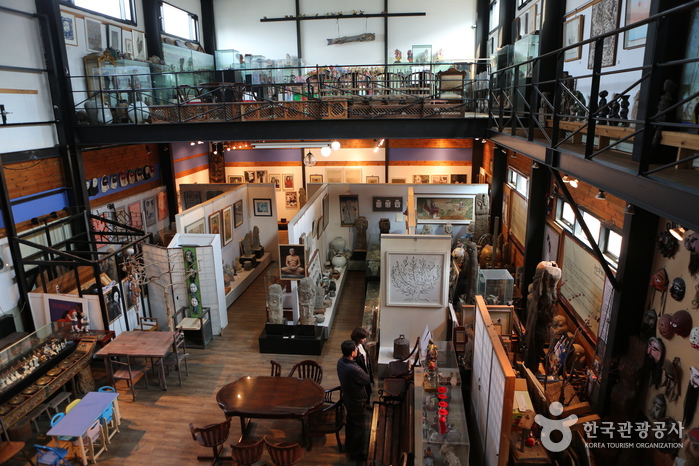
경기도 광주시 남종면 분원리에 있는 박물관 얼굴은 연극 연출가 김정옥이 지난 40여 년간 수집해 온 우리의 옛 사람들이 만든 석인, 목각인형, 도자기 등과 우리나라를 비롯한 세계 여러 나라의 사람의 얼굴을 본 딴 와당과 가면 등 한자리에 모아 [사람과 얼굴]의 공간을 구상함으로서 만들어진 공간이다.
Namhanseong Provincial Park encompasses Namhanseong Fortress, one of the four major fortresses that protected Hanyang (present-day Seoul). The four fortresses surrounded the capital: Gaeseong to the north, Suwon to the south, Ganghwa to the west, and Gwangju to the east, where Namhanseong Fortress is located. It is situated on Namhan Mountain, 24 km southeast of Seoul and 6 km northeast of Seongnam City. The fortress walls extend a total of 12.4 km (main fortress 8.9 km, outer fortress 3.2 km, Sin Nam fortress 0.2 km), with a height of 7.3 meters. Historically, it is recorded as being King Onjo’s royal castle over 2,000 years ago (King Dongmyeong of Goguryeo's son and the founder of Baekje). Also, during the Silla–Tang War in the 13th year of King Munmu of Silla (673), a castle called Jujangseong was built in Hansanju. Utilizing this ancient site, the fortress was repeatedly repaired and rebuilt by later generations, with extensive construction during the reign of King Gwanghaegun of Joseon (1621). The stone walls of Namhanseong are about 12 km in circumference, constructed with natural stones laid with larger stones at the bottom and smaller stones on top. There were four gates and gatepavilions (munru) on each cardinal direction, 16 secret gates (ammun), and four watchtowers (jangdae) built on the east, west, south, and north sides. Inside the fortress, the Suo Office was established alongside government offices, warehouses, and the temporary royal palace (haenggung). The haenggung consisted of 252 rooms in total: 73 in the upper palace, 154 in the lower palace, and 26 in the left quarters. Eighty wells and 45 springs were created, and the administrative office of Gwangju-eup was relocated inside the fortress. The fortress’s importance and its capacity to accommodate residents can be inferred. In the first military exercise after the fortress’s construction (Injo 17th year, 1639), 12,700 troops participated. Currently, only a few buildings remain within the fortress, including the East and South Gates, West Jangdae, Hyeonjeolsa, Yeonmugwan, Janggyungsa, Jisudang, Yeongwoljeong, Chimkwaejeong, Sungnyeoljeon General Yi Seo’s shrine, walls, towers, and ramparts. Among these, the four main gates, Suwojangdae, and parts of the fortress wall near the West Gate are well preserved in their original form. Namhanseong is designated as a historic site and provincial park.
会員登録して自分のチャンネルも一緒に紹介してもらう
(会員になると、マイページで設定した Instagram・YouTube・ブログのリンクが、あなたのコメントと一緒に表示されます。)
“「弘大近くに滞在して、夜のカフェ巡りをしました。街の夜景も雰囲気も最高でした。」”
ゲストとして投稿したコメントには、SNSリンクやプロフィールカードは表示されません。
この場所についてのちょっとしたコツや感想をシェアしてください。
ゲストとして、気軽にひとことコメントを残すこともできます。
写真の添付はログイン後に利用できます。
まだレビューがありません。最初の感想を投稿してみましょう!


![Namhanseong Provincial Park [UNESCO World Heritage] 1](https://tong.visitkorea.or.kr/cms/resource/17/1589317_image2_1.jpg)
![Namhanseong Provincial Park [UNESCO World Heritage] 3](https://tong.visitkorea.or.kr/cms/resource/20/1589320_image2_1.jpg)
![Namhanseong Provincial Park [UNESCO World Heritage] 4](https://tong.visitkorea.or.kr/cms/resource/50/2612850_image2_1.jpg)