山から海へ、村を越えて自然へ向かう歴史紀行 in 江原特別自治道 高城郡 · schedule その他 · distance 31.6km · 6 stops · highlights Ganseong Hyanggyo, Goseong Wangkok Village, Songjiho Observ…

金剛山の尾根から始まり、東海に沿って訪れる歴史紀行である。新羅の寺院である建奉寺で金剛山の精気を受け、江城郷校を経て伝統を守る王谷村に至る。松池湖展望タワーから湖と海を見下ろし、烽燧海辺の海岸道を歩く。先史時代の遺跡を見て太古を思い起こし、清閑亭で自然と向き合う道、歴史は今も流れている。
このコースは2日間の旅程サンプルです。そのまま保存するか、AI日程に拡張できます。
Founded in 1420, Ganseong Hyanggyo moved to Gyodong-ri in 1546 and was destroyed during the Imjin War in 1592. Later, county governor Shin Inwon rebuilt the Myeongnyundang, and in 1850 it was relocated to its current site under Gubongsan. It was destroyed during the Korean War and rebuilt in 1954. In 1978, the East and West Offices were restored, the Daeseongjeon in 1980, and the entire interior of the building was repaired in 1981. Existing buildings include Daeseongjeon, East Office, West Office, and Myeongnyundang. Inside the Daeseongjeon are tablets for Chinese Confucian scholars and 18 notable Korean figures. During the Joseon Dynasty, the state provided land, slaves, and copies of books for instructors to teach students, but now the site no longer serves an educational function. Spring and autumn seokje ceremonies are held, and incense is offered on the first and fifteenth of each lunar month. Operation is managed by one jeongyo and several jangyi.
Wangkok Village is located about 1.5 km inland from the coast and is surrounded by five hills shaped like peaks about 200m above sea level and the lagoon Songjiho (circumference 4km, area 200,000 pyeong), forming a basin in the shape of a 'gol' isolated from the outside. To the east of the village is Golmusang, to the southeast Songjiho, to the south Hogunsan and Jegoksan, to the west Jinbangsan, and to the north Oeumsan. Oeumsan, located north of the village, extends southwest through the village along the Wanggokcheon stream, forming a settlement with deep longitudinal shape. Houses are naturally arranged along the village road that follows the stream in the village center, characterized by relatively wide vegetable gardens between houses without separate fences, separating the houses by the garden boundaries. The house structure of Wangkok Village includes an anbang (main room), dojangg (storage room), sarangbang (men’s quarters), maru (wooden floor room), and kitchen all in one building, with the kitchen attached to a livestock pen in a combined house structure. The front yard, directly connected to the village road, serves as a communal work space open to outsiders, while the backyard, surrounded by relatively high walls, is a private space for women and not open to others. Only the roof of the backyard is visible, reflecting a design considerate of women's activity space. The traditional houses of Wangkok Village, full of history and tradition, also offer lodging experiences. One can escape modern urban life and spend quiet, relaxed time in a place where time seems to have stopped, living just as 200 years ago.
Songjiho Observation Tower is a four-story observation tower with an area of 278.47㎡, opened on July 5, 2007. Since March 2024, it has operated a beachcombing exhibition & experience center utilizing marine debris. Taking the elevator to the fifth floor allows visitors to enjoy a cafe with a panoramic space. Additionally, Songjiho, newly transformed into a comprehensive tourism leisure town, offers various attractions and activities nearby including Songjiho Beach, Wanggok Village, an auto camping site, and a deep sea water complex, making it popular as a family-themed experiential tourist destination.
Bongsudae Beach is located 200 meters north of Samp'o Beach. It is situated along National Route 7, allowing direct access to the sandy beach. Developed in 1997 from undeveloped coastline to provide new homes for residents affected by the Goseong wildfire, the beach has an 800-meter-long sandy shore that is relatively small but features fine, clean sand. The beach is about 50 meters wide and has a water depth of 1.5 meters. In summer, it is filled with people enjoying various marine sports such as surfing and canoeing. Various sculptures and photo zones are set up on the beach. Nearby attractions include Bongsudae Auto Camping Site, Haeswimteo rest area, and Oho VR Marine Adventure Center, offering diverse activities.
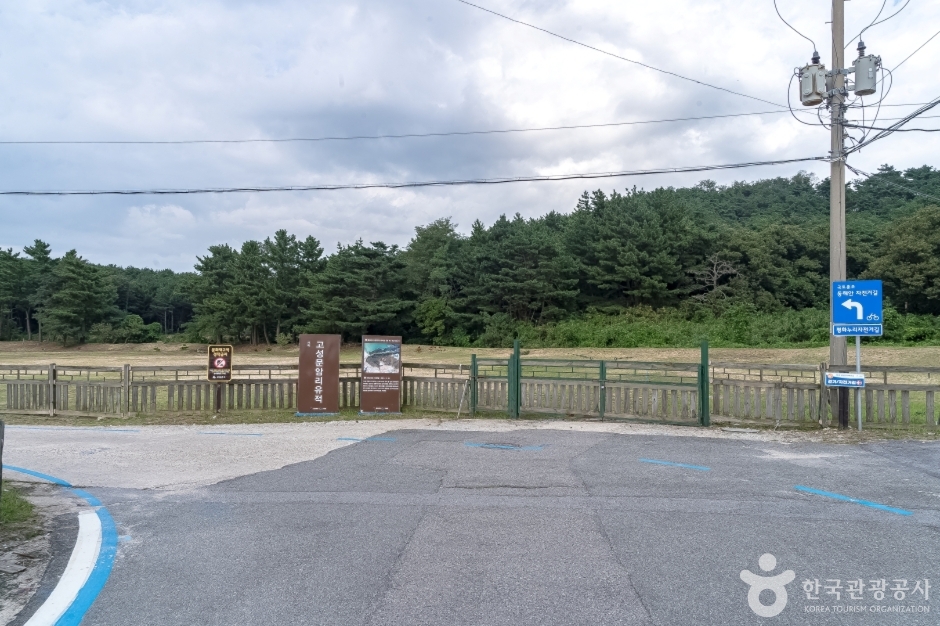
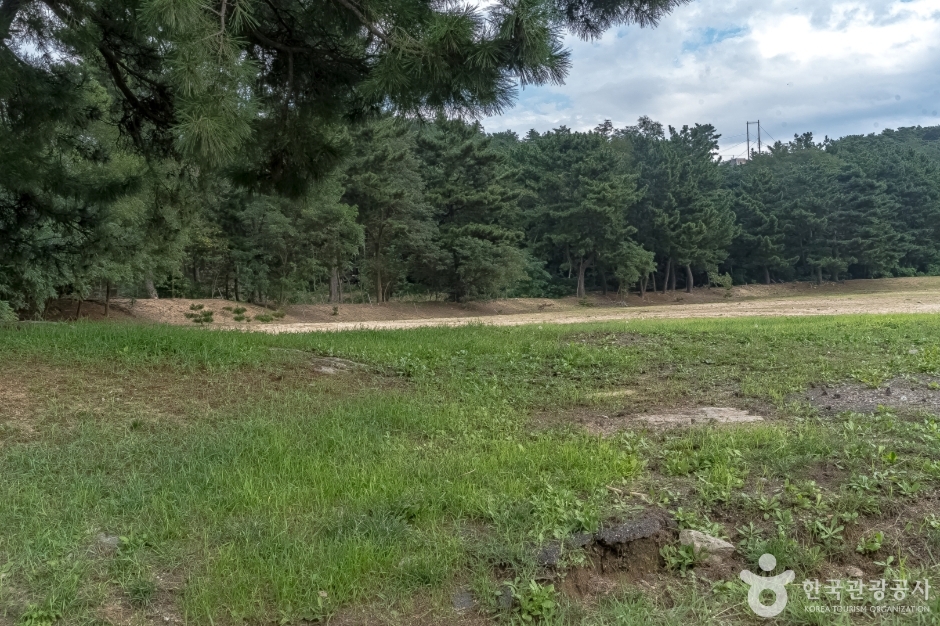
The Goseong Munam-ri prehistoric site is located on the southern slope of a hill about 400 meters inland from the East Coast. Nearby are early Iron Age sites, indicating the area was formed over several periods. From December 1998 to March 1999, the Cultural Heritage Administration's National Research Institute of Cultural Heritage conducted an excavation of about 200 pyeong of the total site, confirming five artifact layers and three Neolithic cultural layers. They uncovered three dwellings and various outdoor structures. This site is very important for understanding the Neolithic culture of Northeast Asia, including northeastern Korea, China's three northeastern provinces, and Russia's Amur River region, as well as the origin, migration routes, cultural lineage, and spread among prehistoric peoples of the Korean Peninsula. The Munam-ri prehistoric site is the most tranquil spot among Goseong travel destinations.
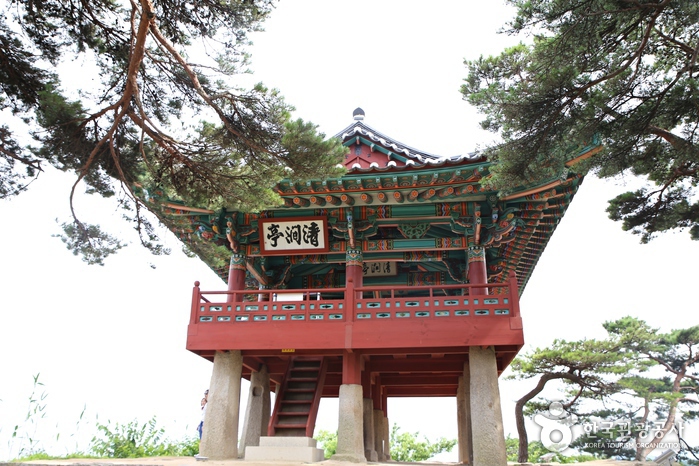
토성면 청간리 동해안 산록에 있는 청간정(淸澗亭)은 설악산 골짜기에서 흘러내리는 청간천과 만경청파가 넘실거리는 기암절벽 위에 팔각지붕의 중층누정으로 아담하게 세워져 있으며, 이곳에서 바라보는 일출과 월출시의 장엄함과, 밀려오는 파도가 마치 뭉게 구름이 일다가 안개처럼 사라져 가는 황홀경으로 관동팔경중 수일경으로 손꼽히고 있다.
コース後に休みやすい宿を集めました
会員登録して自分のチャンネルも一緒に紹介してもらう
(会員になると、マイページで設定した Instagram・YouTube・ブログのリンクが、あなたのコメントと一緒に表示されます。)
“「弘大近くに滞在して、夜のカフェ巡りをしました。街の夜景も雰囲気も最高でした。」”
ゲストとして投稿したコメントには、SNSリンクやプロフィールカードは表示されません。
この場所についてのちょっとしたコツや感想をシェアしてください。
ゲストとして、気軽にひとことコメントを残すこともできます。
写真の添付はログイン後に利用できます。
まだレビューがありません。最初の感想を投稿してみましょう!