ゴソン・ムービーロード in 江原特別自治道 高城郡 · schedule その他 · distance 26km · 4 stops · highlights Gajin Port, Jukjeong Branch School, Hwajinpo
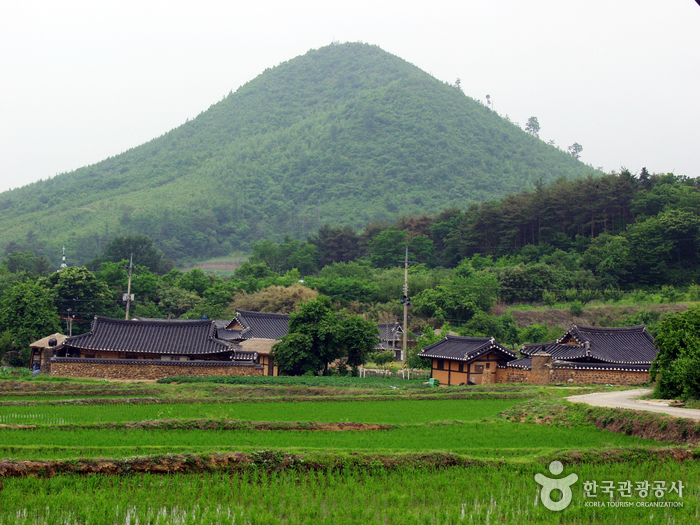
ソンジホの北に位置するワングク伝統村は、江原道北部海岸地域にあり、避暑旅行の際に一度訪れる価値がある場所である。海岸からの距離はわずか1.5kmだが、村内では波の音が聞こえないのが特徴である。
このコースは2日間の旅程サンプルです。そのまま保存するか、AI日程に拡張できます。
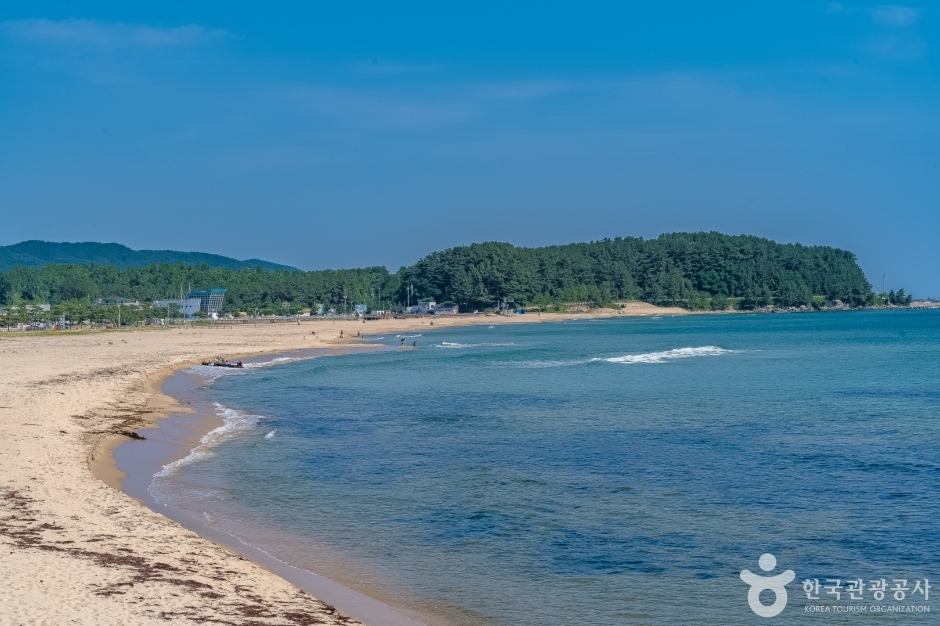
Gajin Port, which enriches and comforts the mind when walked quietly alone in the morning, is a relatively large-scale fishery cooperative port. Gajin Port is located between Ganseong-eup and the port can be accessed by the road connecting the village from National Route 7 or by the newly built coastal road (bypass) passing through Gonghyeonjin village. To the east, it faces the East Sea, while to the west lies Tapdong-ri of Ganseong-eup, to the south Gonghyeonjin 2-ri, and to the north Hyangmok-ri.
The former Jukjeong Elementary School is a closed branch school where children left, like the branch school in the movie . It opened as the Daejin National School Jukjeong Branch in November 1956, was authorized as Jukjeong National School the following year, and produced 1,241 graduates until its closure in 2008. This fact is clearly inscribed on the short monument behind the school gate. Standing in front of the anti-communist youth Lee Seung-bok statue beside the monument, one can see the single-story school building and the playground now overgrown with clover instead of children's laughter.
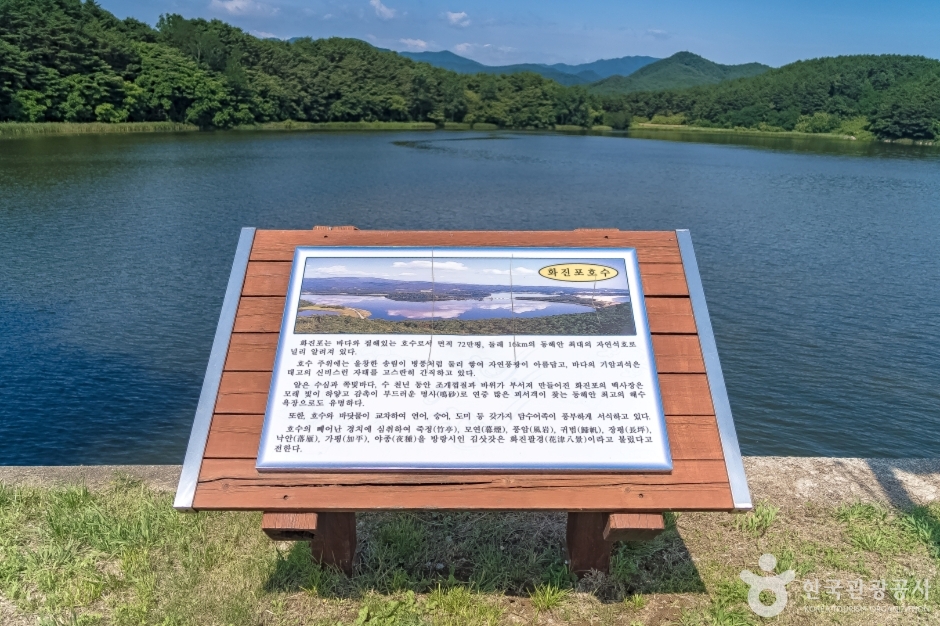
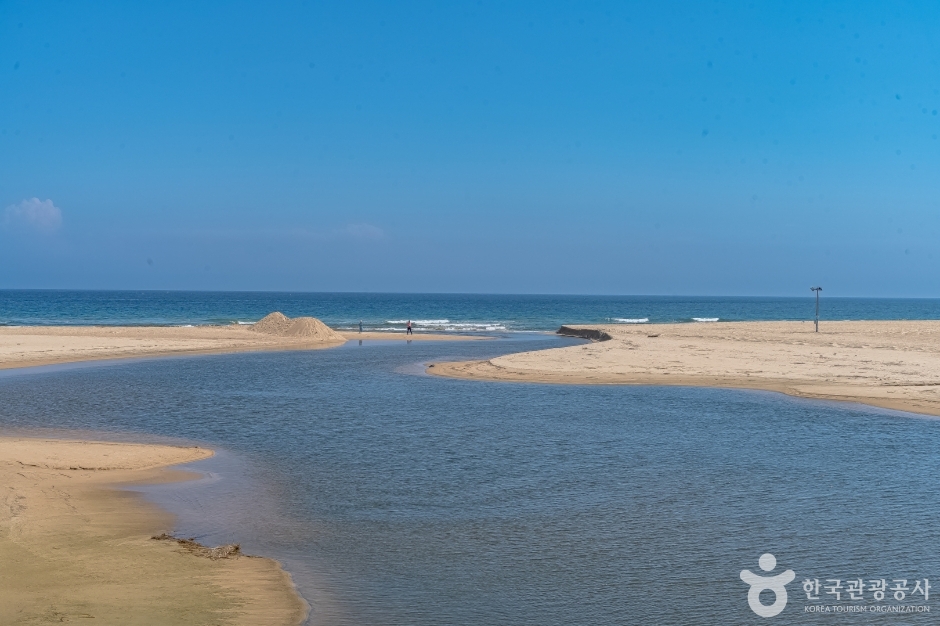
Hwajinpo is the largest lagoon area in South Korea, formed by the development of a spit near Hwajinpo beach that blocked the entrance of the bay. A lagoon is a landform developed when a bay is formed by the post-glacial sea level rise flooding the coast, and its entrance is blocked by a sandbar or spit. This landform represents the Neogene Quaternary period, characterized by climate change. The lagoon also serves as an important ecological corridor connecting the sea and land. Frequent exchanges between freshwater and seawater create a unique natural environment where marine and freshwater organisms coexist, giving it high conservation value. Hwajinpo, shaped like the number 8, is divided into South Lake and North Lake, with South Lake being larger and the waterway to the sea located in North Lake. The name Hwajinpo comes from the abundance of sea buckthorn around the lake. The area is also widely known as the filming site of the final scene of the popular drama 'Autumn Fairy Tale' aired about ten years ago. Nearby tourist attractions include the Kim Il-sung villa, the Syngman Rhee villa, and the Lee Ki-bung villa.
It is a port located at the northernmost point of the East Coast. Initially called Daebeomijin, it was later named Anggeum-ri (安金里) because it was developed by the An and Kim families. During the Goryeo Dynasty, it belonged to Yeosan-hyeon and was then called Hwanggeum-ri in Yeolsan-hyeon. After 1910, the name changed to Hannaru. Afterwards, a newly constructed road expanded along the East Coast, and in 1920, it was promoted to Soja-ri, Hyeonnae-myeon, Goseong-gun. A breakwater was built at Hannaru (the harbor), officially establishing it as a small fishing port. Starting in 1925, construction of the Donghae Northern Line railway commenced, and in 1935 it was completed, making the port a transportation hub for rich marine resources (herring, sardines) and agricultural products from Wonsan. (Source: Goseong-gun Culture and Tourism)
コース後に休みやすい宿を集めました
会員登録して自分のチャンネルも一緒に紹介してもらう
(会員になると、マイページで設定した Instagram・YouTube・ブログのリンクが、あなたのコメントと一緒に表示されます。)
“「弘大近くに滞在して、夜のカフェ巡りをしました。街の夜景も雰囲気も最高でした。」”
ゲストとして投稿したコメントには、SNSリンクやプロフィールカードは表示されません。
この場所についてのちょっとしたコツや感想をシェアしてください。
ゲストとして、気軽にひとことコメントを残すこともできます。
写真の添付はログイン後に利用できます。
まだレビューがありません。最初の感想を投稿してみましょう!