
百済の息吹あふれる歴史の中へ in 忠清南道 姫市 · schedule その他 · distance 23.9km · 5 stops · highlights 석장리박물관, Yetnal Eossi Ne Jip, Gongsanseong Fortress, Gongju [UNESCO Wor…

百済の古都であった公州と扶余には、百済時代の歴史遺跡が街の至る所に残っている。文化と芸術を愛した百済人の穏やかな息吹が21世紀にも鮮明に生きている。扶余は静かで気品ある百済が息づく場所で、ゆったりとした時間を過ごせるだろう。
このコースは1日旅程のサンプルです。そのまま保存するか、AI日程に拡張できます。
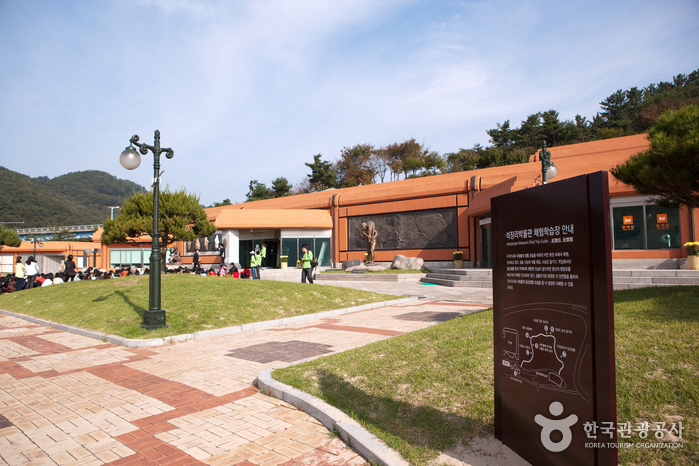
석장리 박물관은 충청남도 공주시 장기면 장암리에 있는 구석기 유물 박물관이다. 공주 지역의 구석기 문화의 역사적 가치를 지속적으로 보존하고 이를 발전적으로 계승하기 위하여 건립하였다. 2006년 9월 26일 박물관의 부대시설을 완공하고 개관하였다.
Freshwater fish caught in the Geum River vary by season but mainly include carp, catfish, freshwater crabs, pike, and bagasari. Twenty years ago, this place was a tavern serving makgeolli and bagasari spicy fish stew, which was so delicious that word spread and it became a specialized spicy fish stew restaurant. Nowadays, since pike and bagasari are rare, the spicy fish stew is mainly made with freshwater crabs and catfish, boiled with a variety of seasonings including crown daisy, shepherd's purse, and water parsley. Its handmade flavors and 36 years of seasoned skill have made it widely known.
Gongsanseong Fortress is a representative fortress of the Baekje period and was the mountain fortress protecting Gongju when it was the capital of Baekje. It served as the Baekje capital until the 16th year of King Seong of Baekje (538) when the capital was moved to Buyeo, and afterward was a regional administrative center until the Joseon Dynasty, making it a historically significant site. It is a valley-enclosed fortification (pogokhyeong 산성) located on a hill by the Geumgang River, originally built as an earthen fortress, later reconstructed as a stone fortress in the Joseon period. The exact construction date is unknown. In Baekje, it was called Ungjinseong, during Goryeo Gongjusanseong or Gongsanseong, and after King Injo fled there during Yi Gwal's Rebellion (1623) in Joseon, it was called Ssangsusanseong. After Baekje's fall, King Uija stayed briefly, and it was a base for Baekje restoration movements. During Unified Silla, Kim Heon-chang's Rebellion (822) took place here. The fortress is roughly rectangular, about 800m east-west and 400m north-south. Gate sites are confirmed on all sides; the south gate Jinnamru and north gate Gongbukru remain. The east and west gates only had sites remaining; in 993, Yeongdongru was restored at the east gate site and Geumseoru at the west gate site. Defensive facilities such as secret gates, citadels, ancient towers, watchtowers, and water gates remain. Inside are Ssangsujeong Pavilion, Yeongeunsa Temple, Yeonji Pond, Imryugak Site, and Manharu Site. Numerous relics including lotus-patterned roof tiles, Baekje roof tiles, pottery, and artifacts from Goryeo and Joseon periods have been excavated. Walking along the fortress wall offers panoramic views of Gongju city. During the Baekje Cultural Festival, a floating bridge connects from Gongsanseong to Geumgang Shingwan Park. At Geumseoru, one can witness the dignity of the Baekje Kingdom in the ‘Ungjin Fortress Water Gate Guard Duty Change Ceremony,’ and the night view at Geumgang Shingwan Park allows beautiful appreciation of Gongsanseong Fortress.
백제 25대 무령왕과 왕비를 합장한 무덤으로, 동으로는 수려한 공산성과 서로는 금강이 아늑하게 감싸 돌며 남으로는 계룡산이 버티고 선 풍치가 빼어난 곳이다. 무령왕릉(재위 462~523)은 1971년 송산리 5호분과 6호분의 침수방지를 위한 공사 중 발견되었다. 이 왕릉에서 출토된 유물은 108종 4,600점에 달해 국립 공주박물관에 진열, 전시하고 있으며 이중 12점이 국보로 지정되었다.
충청남도 공주시 웅진동에 있는 국립 박물관으로 공주를 비롯한 충청남도 지역에서 출토된 중요 유물을 보관·전시하고, 유적 발굴 조사와 해외 문화재 조사 등을 통한 학술 연구 활동을 수행하며, 지역민을 위한 다양한 문화 교육프로그램을 운영하는 평생 학습 기관으로서의 기능을 수행하기 위하여 건립되었다.
コース後に休みやすい宿を集めました
会員登録して自分のチャンネルも一緒に紹介してもらう
(会員になると、マイページで設定した Instagram・YouTube・ブログのリンクが、あなたのコメントと一緒に表示されます。)
“「弘大近くに滞在して、夜のカフェ巡りをしました。街の夜景も雰囲気も最高でした。」”
ゲストとして投稿したコメントには、SNSリンクやプロフィールカードは表示されません。
この場所についてのちょっとしたコツや感想をシェアしてください。
ゲストとして、気軽にひとことコメントを残すこともできます。
写真の添付はログイン後に利用できます。
まだレビューがありません。最初の感想を投稿してみましょう!

![Gongsanseong Fortress, Gongju [UNESCO World Heritage] 1](https://tong.visitkorea.or.kr/cms/resource/68/2678668_image2_1.jpg)
![Gongsanseong Fortress, Gongju [UNESCO World Heritage] 2](https://tong.visitkorea.or.kr/cms/resource/70/2678670_image2_1.jpg)
![Gongsanseong Fortress, Gongju [UNESCO World Heritage] 3](https://tong.visitkorea.or.kr/cms/resource/72/2678672_image2_1.jpg)
![Gongsanseong Fortress, Gongju [UNESCO World Heritage] 4](https://tong.visitkorea.or.kr/cms/resource/73/2678673_image2_1.jpg)

