蕎麦畑で「トッケビの花嫁」になってみませんか in 全北特別自治道 高昌郡 · schedule その他 · distance 22.7km · 3 stops · highlights Gochang Mujanghyeon Government Office and Eupseong, 고창고인돌박…
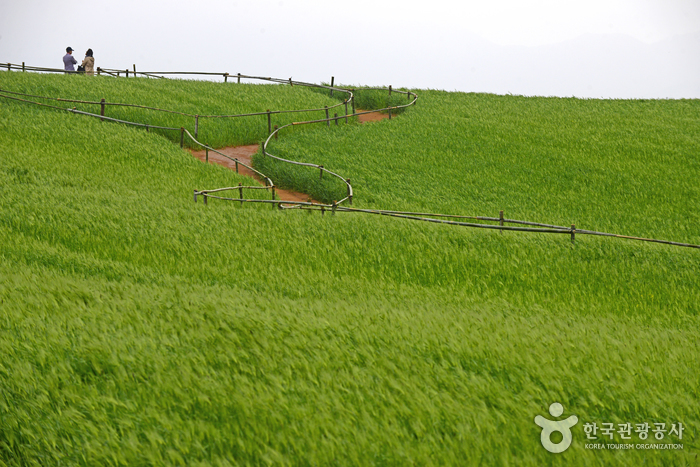
15万坪の広大な畑を一面の大麦畑にした珍しい大農園です。春には国内最大規模の大麦畑を、秋には蕎麦畑を楽しめます。
このコースは2日間の旅程サンプルです。そのまま保存するか、AI日程に拡張できます。
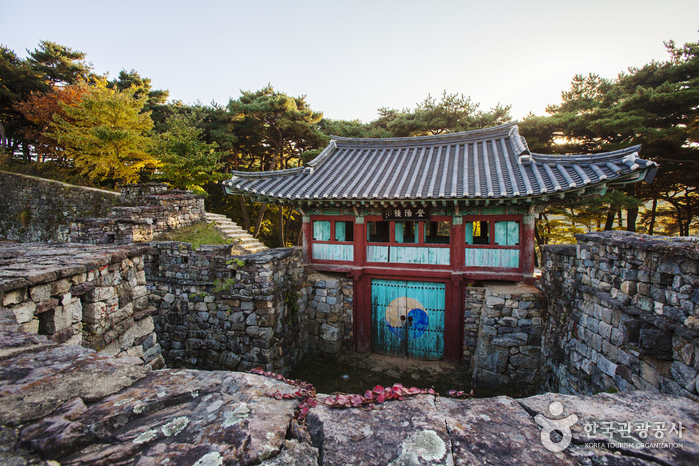
Mujang Eupseong is a flatland fortress about 1.2 km long, established in 1417 by the military commander Kim No of Mujangjin to govern the village under the military office Mu Jangjin Byeongmasa. The southern gate of the fortress, Jinmuru, is a two-story building with three bays in front and two bays on the side, and the eastern gate site is well preserved. The surrounding moat is about 4 m wide and 574 m long, with only traces remaining. Buildings inside the fortress include the guesthouse (Gaeksa) and Dongheon (local magistrate's office). According to the Annals of King Munjong, the fortress circumference was 1,470 cheok (about 441 m), its height 7 cheok (about 2 m), the moat circumference 2,127 cheok (about 638 m), with two gates, and records mention the need to enlarge the fortress. During repairs, a cross-section at the eastern end revealed the fortress wall was constructed mixing earth and stones, though previously thought to be built only with earth. According to Mujangeupji discovered in 1915, in the 17th year of King Taejong (1417), Byeongmasa Kim Jeorae mobilized about 20,000 residents including commoners and monks from several regions to build the fortress over four months from February to May. Furthermore, Mujang Eupseong was the initial site of the 1894 Donghak Peasant Revolution uprising. Mujang Eupseong serves as an important source for researching and understanding the appearance of Joseon-era old fortified towns.
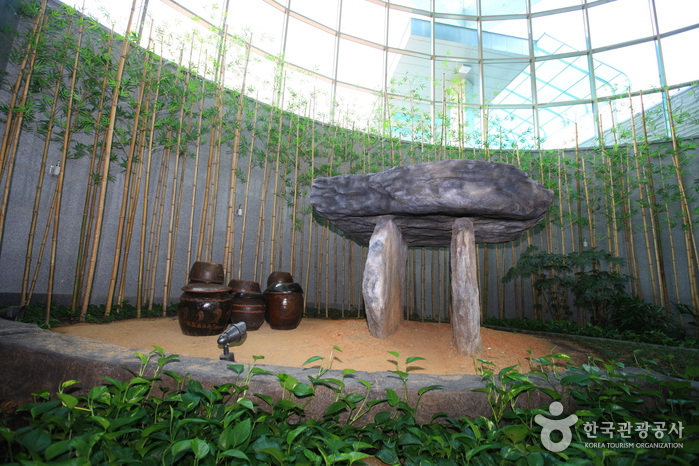
고창고인돌박물관은 청동기시대의 각종 유물 및 생활상과 세계의 고인돌문화를 한눈에 살펴볼 수 있다. 상설전시관은 전체 전시공간에 대한 관람정보와 상징전시 공간으로 구성하였다. 주제전시실의 전시내용을 압축해서 상징전시로 전시내용에 대한 관심과 흥미를 불러일으킴으로써 적극적인 관람 욕구를 유도하고 관람분위기를 조성하였다.
There are various theories about the construction date of Gochang Eupseong Fortress, but inscriptions found during repair of the government office building, historical documents, and characters engraved on fortress stones indicate construction was divided by section and shared among 19 counties and prefectures of Jeolla Left and Right provinces from the 32nd year of King Sejong of Joseon (1450) to the 1st year of Danjong (1453). Among the inscriptions are those of Mujang Simeon and Mujang Jong, and on the eastern gate bastion wall, the inscription "Gye-yu-so Chuk Gam Dong Song Ji Min (癸酉所築監董宋芝玟)" remains, which can be interpreted as showing that the fortress was built in Gye-yu year and that Mujang-hyeon participated in construction. Records about Gochang Eupseong first appear in Sinjeung Dongguk Yeoji Seungram (新增東國輿地勝覽) under Gochang Hyeon fortress section. Though published in the 25th year of King Jungjong (1530), the name "Sinjeung" only appears in the appendix, so the fortress construction date compresses to before the 17th year of King Seongjong (1484) based on the second revision by Kim Jong-jik and others mandated by the king. Mujang-hyeon was formed in the 17th year of King Taejong (1417) by merging Musong-hyeon and Jangsa-hyeon, so the Gye-yu year of construction must be after 1417, confirming Gochang Eupseong was built in 1453, a Gye-yu year. According to legend, stepping on stones of Gochang Eupseong while wearing a stone on your head grants longevity without illness and arrival at the Gate of Paradise after death, which leads to an annual fortress-walking event. The ritual is believed effective only during the leap month when gates to the afterlife open, with the leap month of March regarded as best. Especially significant are the dates of the 16th, 17th, and 20th days, believed to be when the gates open. Walking one lap cures leg ailments, two laps bring health and longevity, and three laps ensure ascension to paradise. Participants must carry a palm-sized stone on their heads and complete three laps, then leave the stones in designated areas. Emphasis on the leap March likely serves to firm the fortress after winter swelling, and carrying stones adds weight to strengthen the structure.
会員登録して自分のチャンネルも一緒に紹介してもらう
(会員になると、マイページで設定した Instagram・YouTube・ブログのリンクが、あなたのコメントと一緒に表示されます。)
“「弘大近くに滞在して、夜のカフェ巡りをしました。街の夜景も雰囲気も最高でした。」”
ゲストとして投稿したコメントには、SNSリンクやプロフィールカードは表示されません。
この場所についてのちょっとしたコツや感想をシェアしてください。
ゲストとして、気軽にひとことコメントを残すこともできます。
写真の添付はログイン後に利用できます。
まだレビューがありません。最初の感想を投稿してみましょう!