世界最大の支石墓王国 in 全北特別自治道 高昌郡 · schedule その他 · distance 23.8km · 3 stops · highlights 고창판소리박물관, Gosan, Seonunsa Temple

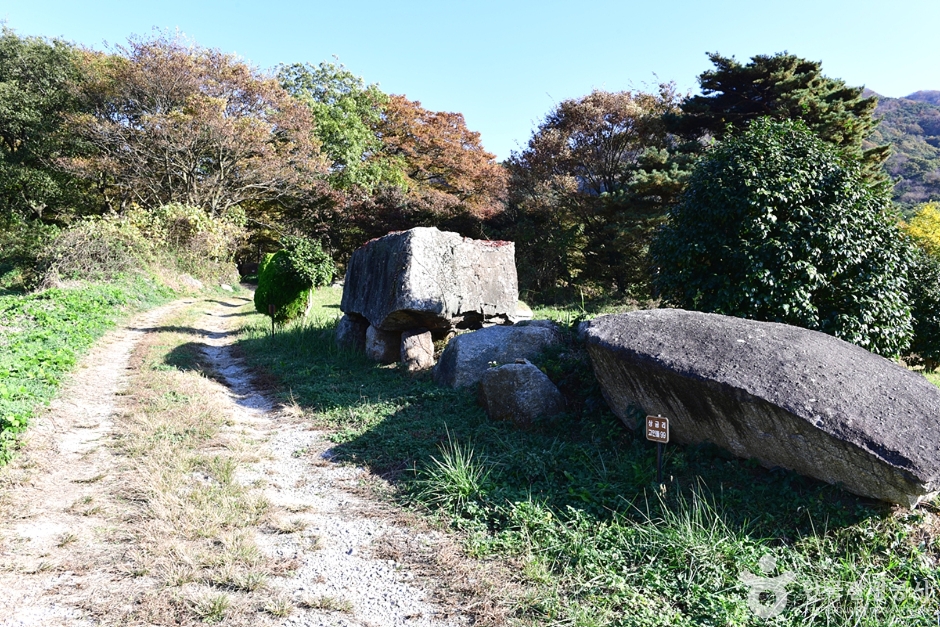
支石墓は世界中で発見されているが、ユネスコ世界文化遺産に登録されている支石墓は韓国の高敞、和順、江華島だけである。その中でも高敞地域に最も多く、1,500基以上存在する。6つの支石墓探訪コースが整備されており、その中で特に1~2コースが見どころである。周辺には採石場が多く、さまざまな支石墓を観察できる。
このコースは1日旅程のサンプルです。そのまま保存するか、AI日程に拡張できます。
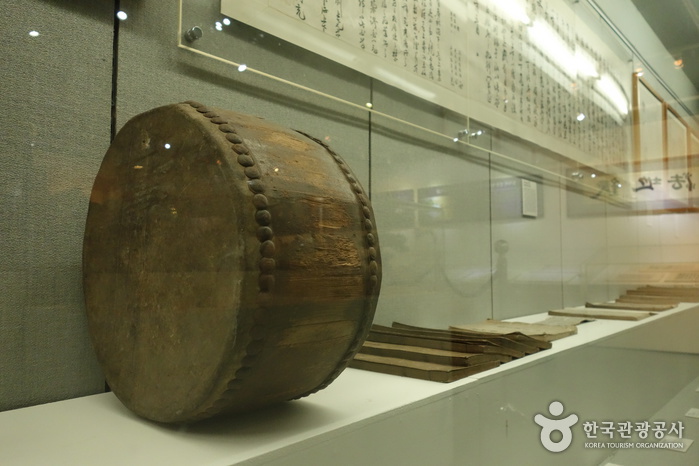
고창판소리박물관은 판소리의 이론가이자 개작자, 후원가였던 동리 신재효 및 진채선, 김소희 등 다수의 명창을 기념하고 판소리 전통을 계승 발전시키기 위하여 동리 신재효 선생의 고택 자리에 설립되었다. 고택은 현재 사랑채만 복원되어 남아 있으며 바로 옆에는 동리 국악당이 있다. 판소리 박물관은 이와 같은 판소리의 유형,무형의 자료를 수집.보존.조사.연구.전시.해석함으로써 일반 대중에게 수준높은 판소리 예술의 재교육과 감상의 기회를 제공하고 마침내 판소리 성지화를 꾀하기 위하여 설립되었다.
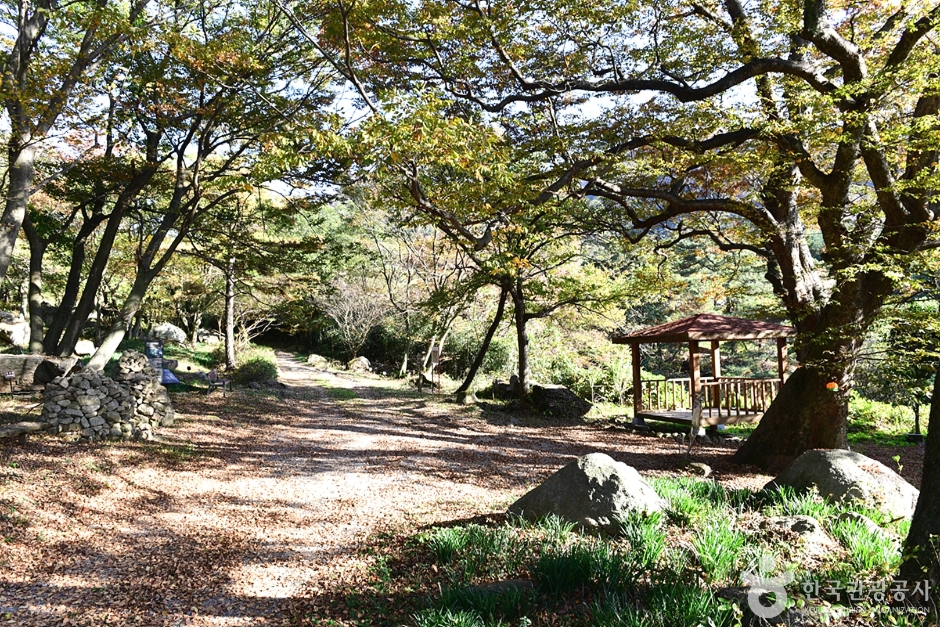
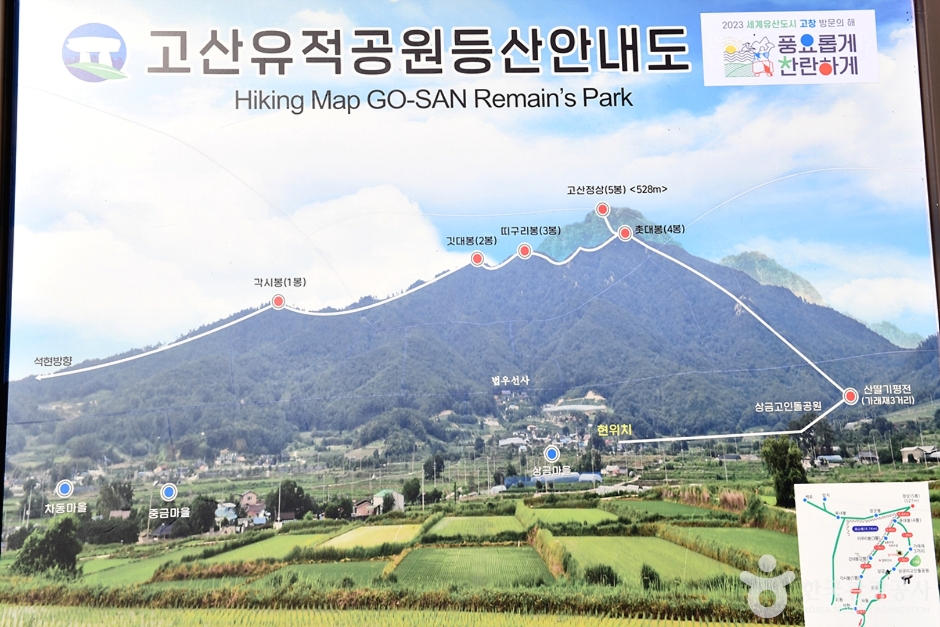
Gosan, spanning Daesan-myeon and Seongsong-myeon, is a mountain with an elevation of 527m. Although not very high, Gosan rises from the surrounding plains and is comparable to other mountains over 1,000m in height. From the summit, visitors can view the surrounding scenery at a glance, and the dense pine forest and various uniquely shaped rocks delight hikers. Legends are passed down about sites such as Yongchugul, Gakshibong, Gitdaebong, Maebawi, Yongduam, Geobukbawi, Chotdaebong, and Chimabawi on Gosan, and the natural ecology is well preserved with blackberry and raspberry fields and wetlands. Gosan hosts several hundred prehistoric dolmens and the Gosan Fortress built during the Later Three Kingdoms period. The fortress is approximately 5,000m long and 5m high, varying with the terrain, constructed using a natural earth and stone mixed method. It is a po-gok (enclosure) style fortress, built with a technique where the outer wall uses stone masonry while the interior is compacted with soil and rubble. The outer surface of the walls is stacked with natural stones vertically or interlocked, with each upper stone set 5–6cm inward compared to the lower one. The south and north gates remain, but the east and west gates are no longer found. Historical records note the fortress perimeter as 8,100 cheok and 3,000 nae-yu; within the fortress were Yongji, Seobongsa, and Sugoham. Currently, about 600m of the fortress remains, mostly in a deteriorated state.
Seonunsa Temple is the head temple of the 24th district of the Jogye Order of Korean Buddhism, located on Dosolsan (兜率山) in Asan-myeon, Gochang-gun, Jeonbukteukbyeoljachi-do. Dosolsan is also called Seonunsan (禪雲山), and during the late Joseon period when Seonunsa flourished, 89 hermitages and 189 monk lodgings (료사, 寮舍) were scattered throughout the mountain, creating a magnificent Buddhist land. Along with Geumsansa Temple in Gimje, it is one of the two major head temples in Jeollabuk-do, with a long history, outstanding natural scenery, and valuable Buddhist cultural assets, attracting continuous worship and tourism all year round. The founding of Seonunsa has two legends: one that it was founded by King Jinheung of Silla and another that the great monk Geomdan (檢旦, 黔丹) founded it in the 24th year of King Wideok of Baekje (577). It is said that King Jinheung of Silla (540–576) relinquished the throne in his later years and stayed one night in a cave on Dosolsan, where he dreamt that the Maitreya triad statues split through a rock, inspiring him greatly to establish Joong-aesa Temple, the origin of this temple. However, since this area was Baekje territory fiercely contested with Silla at that time, it is unlikely that the Silla king founded this temple here. Therefore, considering the historical and geographical context, the founding by Monk Geomdan is accepted as the established theory. Various legends related to Monk Geomdan's founding are told: originally, the site of Seonunsa was a large pond inhabited by a dragon, and when Geomdan drove the dragon away and started filling the pond with stones, an epidemic of eye disease severely affected the village. However, when villagers poured a kiln of charcoal into the pond, the eye disease seemed to be cured, leading villagers to bring charcoal and stones, quickly filling the pond and later building Seonunsa on the site. Monk Geomdan named the temple 'Seonun (禪雲),' meaning 'dwelling in the cloud (雲), the mysterious boundary of wisdom, refining and attaining the state of meditation (禪).' Currently, Seonunsa houses a total of 25 cultural properties including 8 treasures, 3 natural monuments, 11 tangible cultural properties of Jeonbukteukbyeoljachi-do, and 3 cultural heritage materials of Jeonbukteukbyeoljachi-do. Especially, behind the Main Buddha Hall (Daeungjeon), a natural monument-designated colony of camellia trees about 500 years old and approximately 6 meters tall on average forms a spectacular flower screen in full bloom in spring. To commemorate Seonunsan's camellia forest, the Camellia Art Festival is held annually in mid-April.
会員登録して自分のチャンネルも一緒に紹介してもらう
(会員になると、マイページで設定した Instagram・YouTube・ブログのリンクが、あなたのコメントと一緒に表示されます。)
“「弘大近くに滞在して、夜のカフェ巡りをしました。街の夜景も雰囲気も最高でした。」”
ゲストとして投稿したコメントには、SNSリンクやプロフィールカードは表示されません。
この場所についてのちょっとしたコツや感想をシェアしてください。
ゲストとして、気軽にひとことコメントを残すこともできます。
写真の添付はログイン後に利用できます。
まだレビューがありません。最初の感想を投稿してみましょう!