全北 高敞 温泉海水蒸し in 全北特別自治道 高昌郡 · schedule その他 · distance 48.7km · 4 stops · highlights Gochang Sin Jae-hyo Old House, 고창고인돌박물관, Seonunsa Temple
全北高敞は陶磁器で知られる地域で、現在はスイカで有名です。ユネスコ指定の支石墓遺跡地と高敞邑内にある石泉温泉は、フランスのルルド温泉に次いで世界で2番目に発見されたゲルマニウム温泉です。旧市浦海水浴場の長い白砂と海水の塩分濃度が高く、皮膚病に良い砂蒸しと海水蒸しも体験できるコースです。特に干潮時の海辺ではアサリ採りも楽しめます。
このコースは1日旅程のサンプルです。そのまま保存するか、AI日程に拡張できます。
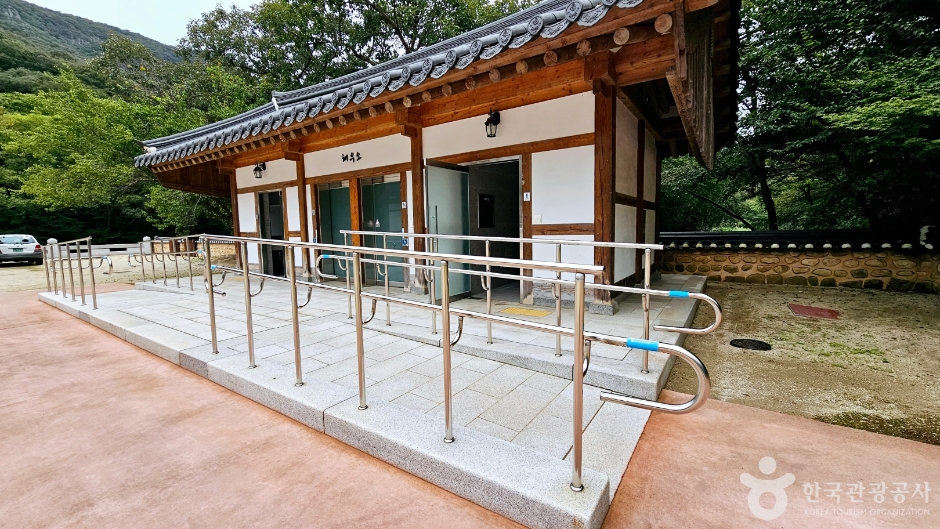
Sin Jae-hyo Old House was the home of Sin Jae-hyo (1812–1884), a theorist of pansori and the person who consolidated pansori. It is estimated to have been built in the first year of Cheoljong (1850) and is known to have been rebuilt by his son in Gwangmu 3 (1899). Originally a modest thatched-roof sarangchae (men's quarters), it was used as an annex of the Gochang police station before being designated a national intangible cultural heritage site, after which the state took over management and restored its original appearance. The building has a '一'-shaped floor plan with six bays at the front and two bays at the side, featuring a thatched roof. The interior comprises one kitchen, two rooms, one daecheong (main hall), and one integrated room. A half-bay wooden porch (toemaru) is installed along the front's five bays excluding the kitchen. The double-leaf folding door between the kitchen and the rooms and the absence of doors in the rooms on both sides of the daecheong are unique architectural features, making it historically significant as Sin Jae-hyo’s birthplace.
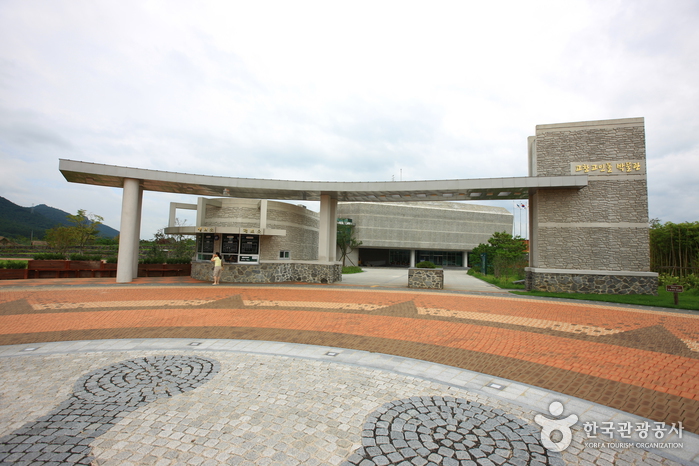
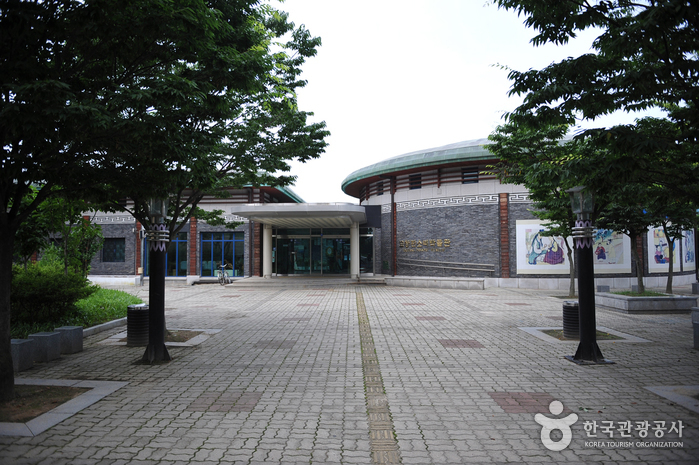
고창고인돌박물관은 청동기시대의 각종 유물 및 생활상과 세계의 고인돌문화를 한눈에 살펴볼 수 있다. 상설전시관은 전체 전시공간에 대한 관람정보와 상징전시 공간으로 구성하였다. 주제전시실의 전시내용을 압축해서 상징전시로 전시내용에 대한 관심과 흥미를 불러일으킴으로써 적극적인 관람 욕구를 유도하고 관람분위기를 조성하였다. 상징물 옆에는 안내데스크 및 정보검색 시스템을 설치하여 관람객을 위한 사진정보를 제공할 수 있도록 하였다.
Seonunsa Temple is the head temple of the 24th district of the Jogye Order of Korean Buddhism, located on Dosolsan (兜率山) in Asan-myeon, Gochang-gun, Jeonbukteukbyeoljachi-do. Dosolsan is also called Seonunsan (禪雲山), and during the late Joseon period when Seonunsa flourished, 89 hermitages and 189 monk lodgings (료사, 寮舍) were scattered throughout the mountain, creating a magnificent Buddhist land. Along with Geumsansa Temple in Gimje, it is one of the two major head temples in Jeollabuk-do, with a long history, outstanding natural scenery, and valuable Buddhist cultural assets, attracting continuous worship and tourism all year round. The founding of Seonunsa has two legends: one that it was founded by King Jinheung of Silla and another that the great monk Geomdan (檢旦, 黔丹) founded it in the 24th year of King Wideok of Baekje (577). It is said that King Jinheung of Silla (540–576) relinquished the throne in his later years and stayed one night in a cave on Dosolsan, where he dreamt that the Maitreya triad statues split through a rock, inspiring him greatly to establish Joong-aesa Temple, the origin of this temple. However, since this area was Baekje territory fiercely contested with Silla at that time, it is unlikely that the Silla king founded this temple here. Therefore, considering the historical and geographical context, the founding by Monk Geomdan is accepted as the established theory. Various legends related to Monk Geomdan's founding are told: originally, the site of Seonunsa was a large pond inhabited by a dragon, and when Geomdan drove the dragon away and started filling the pond with stones, an epidemic of eye disease severely affected the village. However, when villagers poured a kiln of charcoal into the pond, the eye disease seemed to be cured, leading villagers to bring charcoal and stones, quickly filling the pond and later building Seonunsa on the site. Monk Geomdan named the temple 'Seonun (禪雲),' meaning 'dwelling in the cloud (雲), the mysterious boundary of wisdom, refining and attaining the state of meditation (禪).' Currently, Seonunsa houses a total of 25 cultural properties including 8 treasures, 3 natural monuments, 11 tangible cultural properties of Jeonbukteukbyeoljachi-do, and 3 cultural heritage materials of Jeonbukteukbyeoljachi-do. Especially, behind the Main Buddha Hall (Daeungjeon), a natural monument-designated colony of camellia trees about 500 years old and approximately 6 meters tall on average forms a spectacular flower screen in full bloom in spring. To commemorate Seonunsan's camellia forest, the Camellia Art Festival is held annually in mid-April.
The largest beach in Gochang-gun, featuring a long and wide white sandy beach and dense pine groves. The gentle slope of the beach makes it ideal for family vacations. To the south of the white sand beach, there is a natural cave where dozens of residents and hundreds of mountain pigeons took refuge for half a year during the Japanese invasions of Korea (Jeongyujaeran). The coastal area is scattered with strange rock formations. Beautiful islands, including Gamak Island, float on the sea in front, and at sunset you can see the sunset coloring the West Sea Chil-san sea red. It is also a popular beach for people who enjoy auto camping. Various convenience facilities are well equipped nearby.
会員登録して自分のチャンネルも一緒に紹介してもらう
(会員になると、マイページで設定した Instagram・YouTube・ブログのリンクが、あなたのコメントと一緒に表示されます。)
“「弘大近くに滞在して、夜のカフェ巡りをしました。街の夜景も雰囲気も最高でした。」”
ゲストとして投稿したコメントには、SNSリンクやプロフィールカードは表示されません。
この場所についてのちょっとしたコツや感想をシェアしてください。
ゲストとして、気軽にひとことコメントを残すこともできます。
写真の添付はログイン後に利用できます。
まだレビューがありません。最初の感想を投稿してみましょう!