安全と余裕、感動を共に味わう潭陽旅行コース in 全羅南道 潭陽郡 · schedule 1泊2日 · distance 약 14.8km · 6 stops · highlights Damyang Metasequoia Road, Damyang Noodle Street, Gwanbangjerim
潭陽は自然と伝統、安全な体験が調和した都市であり、学びと癒し、感性を包含するこのコースは屋内で安全体験ができる潭陽安全体験場から始まる。メタセコイア並木の散策は静かな森の魅力を伝え、昼食は飲食テーマ通りと麺通りで地域名物のトッカルビ、大桶飯、麺類など地域独自の風情を感じられる味を楽しめる。午後は観防堤林と竹緑園の竹林、思い出の路地で潭陽の風情を感じられ、ディライト潭陽では感覚的なメディア展示体験が可能である。
このコースは2日間の旅程サンプルです。そのまま保存するか、AI日程に拡張できます。
In addition to the bamboo forest, the roadside is lined with metasequoia trees, creating an exotic and fantastic scenery. From afar, the trees resemble fairies gathered closely together or a small train in a toy land. Looking from the middle of the road, it looks exactly like British guards standing in formation. They stand in orderly ranks and wave to outsiders. As you walk along this road, you become absorbed in the exotic landscape and unknowingly enter the gateway to the southern region. Metasequoia Road was created in 1972 by Damyang-gun (19th term, Mayor Kim Ki-hoe), who planted 1,300 five-year-old trees along a 5 km stretch of National Road 24, from the county office to Wonyulsamgeori in Geumseong-myeon.
In Damyang, Jeollanam-do, you can see noodle shops lined up along the Yeongsan River. Starting with just a few over 50 years ago, it has now become a famous food street in Damyang. Outdoor tables are set up from the beginning to the end of the noodle street, allowing you to enjoy a hearty bowl of noodles at an affordable price while admiring the friendly Yeongsan River scenery. There are anchovy noodles made with anchovy broth and bibim noodles with a sweet and sour seasoning that whets the appetite, and depending on the season, refreshing young radish noodles are served cold. Adding a marinated egg as a side menu makes for a more filling meal. Many restaurants also serve freshly baked green onion pancakes or pork yukjeon. Damyang Noodle Street is located near Juknokwon, which boasts green hues throughout all seasons, and Gwanbangjerim, which is ideal to enjoy the seasonal atmosphere, making it good to visit both together.
Gwanbangje is an embankment on the Gwanbangcheon located from Namsan-ri Dongjeongja Village in Damyang-eup, passing through Subuk-myeon Hwanggeum-ri to Daejeon-myeon Gangui-ri, extending 6 km in length. It is famous because it forms a magnificent scenic forest along about 2 km. This forest is called Gwanbangjerim, covering an area of 49,228㎡ with trees estimated to be 300 to 400 years old densely growing there. Its beauty led to its designation as a natural monument on November 27, 1991, and in 2004 it won the grand prize at the 5th Beautiful Forest National Contest hosted by the Korea Forest Service. The main tree species include 111 Fraxinus rhynchophylla trees, 18 Zelkova trees, 9 cherry trees, 1 Amelanchier tree, 1 Carpinus tschonoskii, Gomui Malchae, and Quercus variabilis, totaling about 420 trees. Within the designated natural monument area, 185 old and large trees grow. Gwanbangjerim is also well-known as a summer retreat and a popular dating spot for young couples. Near Gwanbangjerim, the Chuseong Stadium is located on a floodplain, and in 2005 a sculpture park with folklore themes was established to add to the attractions. Gwanbangje was constructed and planted with trees by the magistrate Seong Iseong to control the water flow of Damyangcheon in the upper reaches of the Yeongsan River, and later in 1854 (5th year of King Cheoljong’s reign), magistrate Hwang Jongrim mobilized over 30,000 people with government funds to build it, hence the name Gwanbangje.
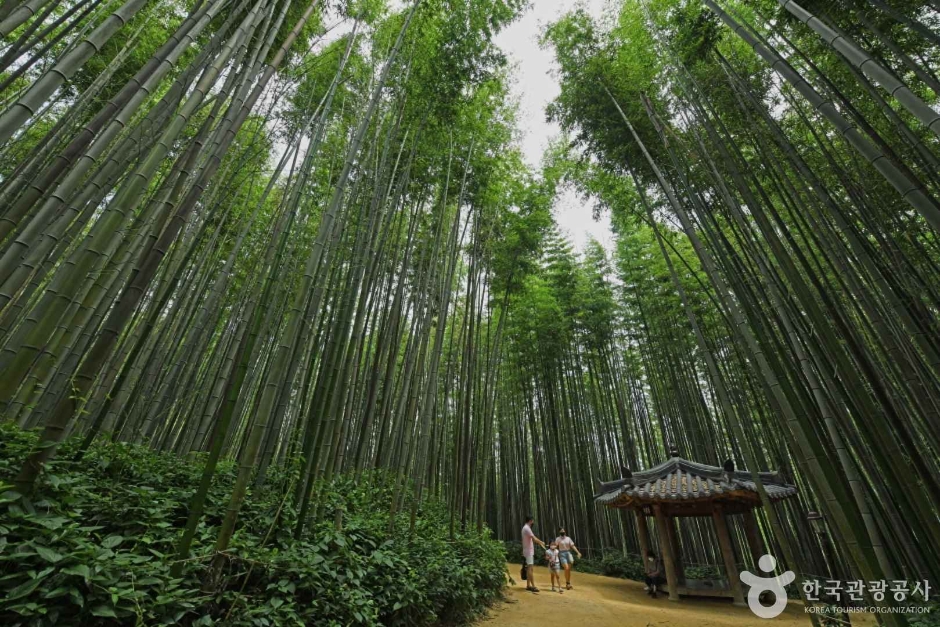
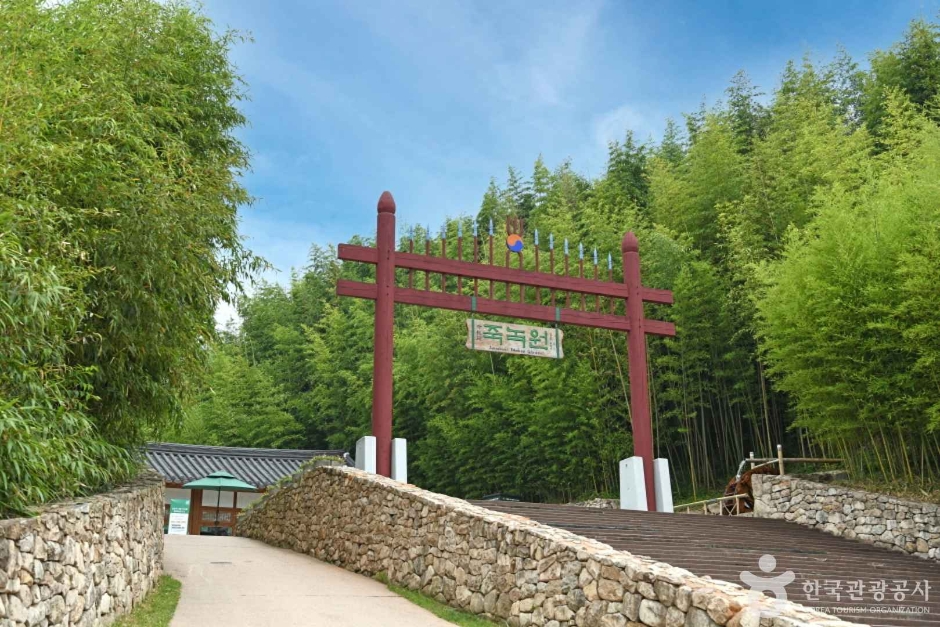
Juknokwon is a bamboo forest visible immediately to the left after passing Hyanggyo along Damyangcheon, the source of the Yeongsangang River, and Gwanbangjerim. It is a dense bamboo forest of about 160,000㎡, created by Damyang-gun around Seongan Mountain area and opened in May 2003. Climbing the stone steps at the entrance one by one, your stiff body relaxes, and the cool bamboo breeze refreshes your tired mind and body. Walking along the dense bamboo paths while hearing the rustling leaves feels refreshing as sunlight filters through the green bamboo leaves. Juknokwon is home to Jukrocha (竹露), a tea grown from dew that falls on bamboo leaves. After enjoying a bamboo forest bath, you can relax your mind with a cup of Jukrocha. There is a 2.2 km trail in Juknokwon for bamboo forest bathing, consisting of eight themed paths such as Unsudaetong-gil, Jukmagou-gil, and Philosopher's Path, all starting from Juknokwon Observatory. From the observatory, you can look down at Damyangcheon, the 300-year-old ancient trees of Gwanbangjerim in Damyang, and the famous Metasequoia tree-lined road. There is also an ecological exhibition hall, artificial waterfall, ecological pond, and outdoor performance hall, with lighting installed for nighttime strolls through the bamboo forest.
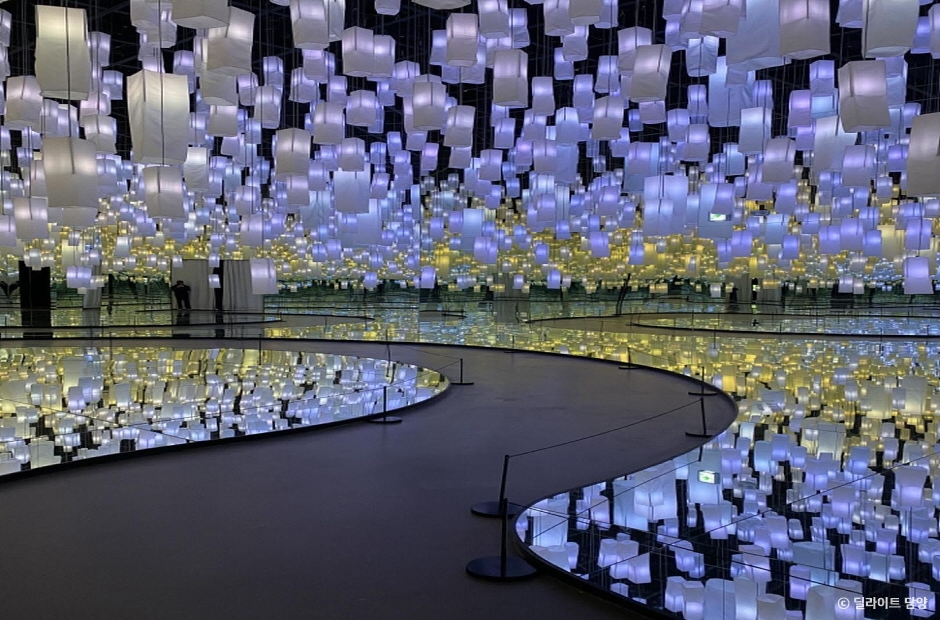
실감형 미디어아트 전시관인 딜라이드 담양은 담양의 역사와 문화를 테마로 한다. 전시장 입구부터 건물 외부와 어우러져 있는 조형물이 펼쳐져 있고 내부는 담양에서 대표적인 대나무 숲을 비추는 달을 볼 수 있어 포토존으로 유명하다.
Damyang Alley of Memories is a place exhibiting life scenes from around the liberation era to the 1980s, serving as a modern and contemporary exhibition hall and film studio where visitors can feel childhood nostalgia. It is filled with memories from that time, such as the chick vendor in front of the school, delicious illegal snacks, cartoons watched huddled around the television, and music players. The film studio, Gobau cartoon room, traveling medicine seller's makeshift theater, mill, stationery store, marketplace, tea house, farm tools, and arcade machines provide nostalgia for those who lived through the era and new attractions for today's generation. Damyang Alley of Memories is a unique nostalgic travel destination.
コース後に休みやすい宿を集めました
会員登録して自分のチャンネルも一緒に紹介してもらう
(会員になると、マイページで設定した Instagram・YouTube・ブログのリンクが、あなたのコメントと一緒に表示されます。)
“「弘大近くに滞在して、夜のカフェ巡りをしました。街の夜景も雰囲気も最高でした。」”
ゲストとして投稿したコメントには、SNSリンクやプロフィールカードは表示されません。
この場所についてのちょっとしたコツや感想をシェアしてください。
ゲストとして、気軽にひとことコメントを残すこともできます。
写真の添付はログイン後に利用できます。
まだレビューがありません。最初の感想を投稿してみましょう!