内所寺と開岩寺 in 全北特別自治道 ブアン郡 · schedule その他 · distance 38km · 3 stops · highlights 점심식사(곰소쉼터), Gomso Salt Field, Naesosa Temple

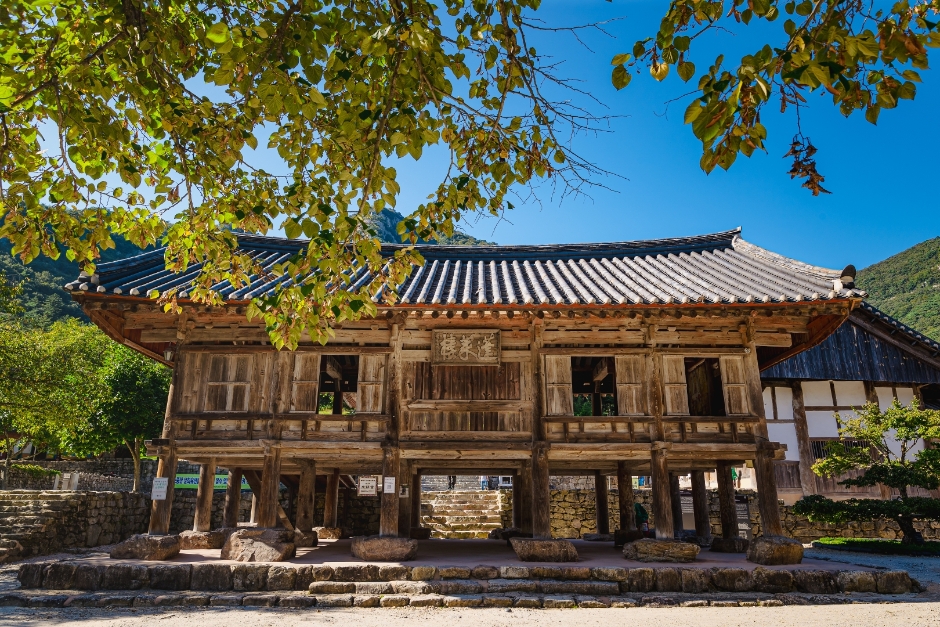
内所寺と開岩寺は非常によく似た寺院である。境内への参道や丹青を施していないため古風な印象が強い大雄殿、美しい花格子などが共通している。しかし、千年の歴史を持つ古刹として、寺院を巡る感覚は異なる。内所寺の杉の森の小道、祖父母の神木、大雄宝殿の花格子と銅鐘、開岩寺の大雄宝殿と鬱金岩が調和した景観は、訪れるべき名所である。
このコースは1日旅程のサンプルです。そのまま保存するか、AI日程に拡張できます。
이곳의 젓갈들은 2년 이상 응달에서 곰삭아야 상에 오르는데, 젓갈에 불필요한 양념은 전혀 섞지 않고, 젓갈 고유의 맛을 내는데 주력한다.
Gomso Salt Field, located in Jinseo-ri, Jinseo-myeon, Buan-gun, is one of the few places in Korea producing sun-dried salt. During the Joseon Dynasty, hwaryeom (salt made by boiling seawater) was produced from Julpo Bay to Gomso Bay. The current Gomso Salt Field was established during the late Japanese colonial period but has produced sun-dried salt since liberation. Salt is usually produced from April to October, with May and June being the peak season for production and taste, making it the harvest season for salt workers. The coastal area from Chaeseokgang to Gochang, including Gomso Salt Field, is famous worldwide for its tidal flats, and the mineral-rich seawater of Gomso Bay enriches the flavor of the salt. This place, located deep inland in Julpo Bay, part of the Chilsan Sea known for Yeonggwang Gulbi, has exceptional natural conditions and is famous for salted fermented seafood made with fresh fish caught in front of Gomso salted with sun-dried salt.
Naesosa Temple was established by Hye Guduta (惠丘頭陀) in the 34th year of King Mu of Baekje (633), and its original name was Soraesa. The Daeungbojeon hall is a Buddha hall enshrining Shakyamuni in the center, with Manjushri Bodhisattva and Samantabhadra Bodhisattva on the sides, and is said to have been built when Cheongmin Daesa renovated the temple in the 11th year of King Injo of Joseon (1633). It is three kan wide and three kan deep, with an octagonal paljak roof. The decorative structure supporting the eaves roof is of dapo style, with components layered not only above the columns but also between them, exemplifying mid-Joseon architectural features. The floral wooden lattice (kkotmunsal) of the Daeungbojeon showcases excellent carving skills of the time, and behind the Buddha statue on the rear wall is the largest surviving painting of the White-Robed Avalokitesvara Bodhisattva seated statue in Korea. The signboard of the Daeungbojeon was written by Wongyo Lee Gwangsa (1705–1777). There are subsidiary hermitages such as Jijangam and Cheongryeonam at the entrance. Existing buildings and important cultural properties include the treasure-designated Daeungbojeon, Goryeo bronze bell (treasure), Lotus Sutra folding scripture (treasure), large hanging Buddhist painting (treasure), and Jeollabuk-do designated tangible cultural assets such as the monks' quarters, Seolseondang, and three-story stone pagoda. The Naesosa area is designated as a Jeollabuk-do monument. A 600m fir tree forest path starting from Iljumun Gate is selected as one of the '100 Beautiful Paths' and welcomes tourists with different scenery each season. Daejanggeum filming location (pond) ◎ Travel information to experience the charm of Hallyu - In the drama Daejanggeum, the memorable scene where Jang-geum is throwing stones into the pond and Min Jeong-ho watches is filmed at the pond inside Naesosa Temple grounds. The tranquil temple atmosphere and the beautiful scenery around the pond deepen the drama’s emotional appeal.
コース後に休みやすい宿を集めました
会員登録して自分のチャンネルも一緒に紹介してもらう
(会員になると、マイページで設定した Instagram・YouTube・ブログのリンクが、あなたのコメントと一緒に表示されます。)
“「弘大近くに滞在して、夜のカフェ巡りをしました。街の夜景も雰囲気も最高でした。」”
ゲストとして投稿したコメントには、SNSリンクやプロフィールカードは表示されません。
この場所についてのちょっとしたコツや感想をシェアしてください。
ゲストとして、気軽にひとことコメントを残すこともできます。
写真の添付はログイン後に利用できます。
まだレビューがありません。最初の感想を投稿してみましょう!